
Single Clonal Origin May Explain Multiple Cervical Cancer Subtypes
Tracing the Roots of Cervical Cancer
Researchers at the University of Liège have made a groundbreaking discovery about the origins of cervical cancer subtypes. Cervical cancer is a complex disease with multiple subtypes. The study sheds new light on how these subtypes arise.
Health news
 Sleep May Be the Heart's Nightly Repair Window, Study Suggests
 APOE Genotype Influences How Well Blood Tau Protein Predicts Cognitive Decline
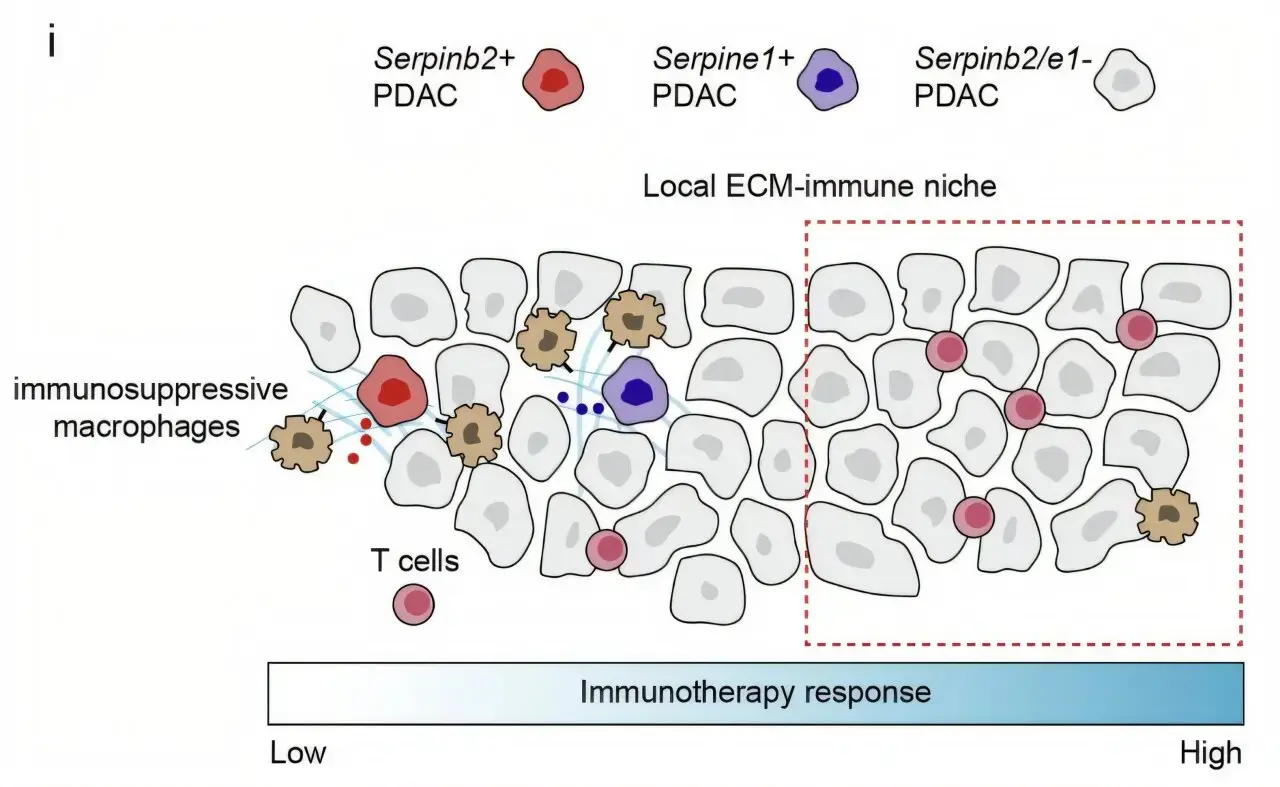 Pancreatic Cancer Hijacks Blood-Clotting System to Evade Immune Attack
 Survey Reveals Most Men Unaware Dairy May Increase Prostate Cancer Risk
The research team investigated whether different cancer subtypes originate from distinct cells or a single multiclonal starting point. They analyzed data from cervical cancer samples and found evidence supporting a single clonal origin.
Can a Single Clone Give Rise to Diverse Cancer Subtypes?
The study's findings suggest that multiple cervical cancer subtypes can arise from a single clonal starting point. This challenges the conventional understanding that different subtypes originate from distinct cells. The researchers used advanced analytical techniques to study the genetic characteristics of cervical cancer samples.
Their analysis revealed that the different subtypes shared a common genetic origin. This suggests that the development of cervical cancer is a complex process involving the evolution of a single clone into multiple subtypes.
The researchers' findings have significant implications for our understanding of cervical cancer development. If multiple subtypes can arise from a single clone, it may be possible to identify common targets for treatment. Further research is needed to understand the mechanisms underlying this process.
Frequently Asked Questions
The discovery of a single clonal origin for multiple cervical cancer subtypes has important consequences for cancer treatment and research. It may lead to the development of more effective treatments targeting the common origins of the disease.
What is the significance of a single clonal origin for cervical cancer subtypes? A single clonal origin suggests that multiple subtypes share a common genetic origin, which could lead to more effective treatments. How does this discovery impact our understanding of cancer development? It challenges the conventional understanding that different subtypes originate from distinct cells. What are the potential consequences of this research for cancer treatment?
Content written by Dr. Nathan Cole for wellness-bio-radar.com editorial team, AI-assisted.