
Slow Maternal Response Time Linked to ADHD in Kids
The Silent Warning Signs
Researchers analyzed audio-video recording archives of 12-month-old infants and their mothers to identify potential predictors of Attention Deficit Hyperactivity Disorder (ADHD). The study focused on the vocal response time of mothers to their child's natural babbles and vocalizations.
Health news
 Sleep May Be the Heart's Nightly Repair Window, Study Suggests
 APOE Genotype Influences How Well Blood Tau Protein Predicts Cognitive Decline
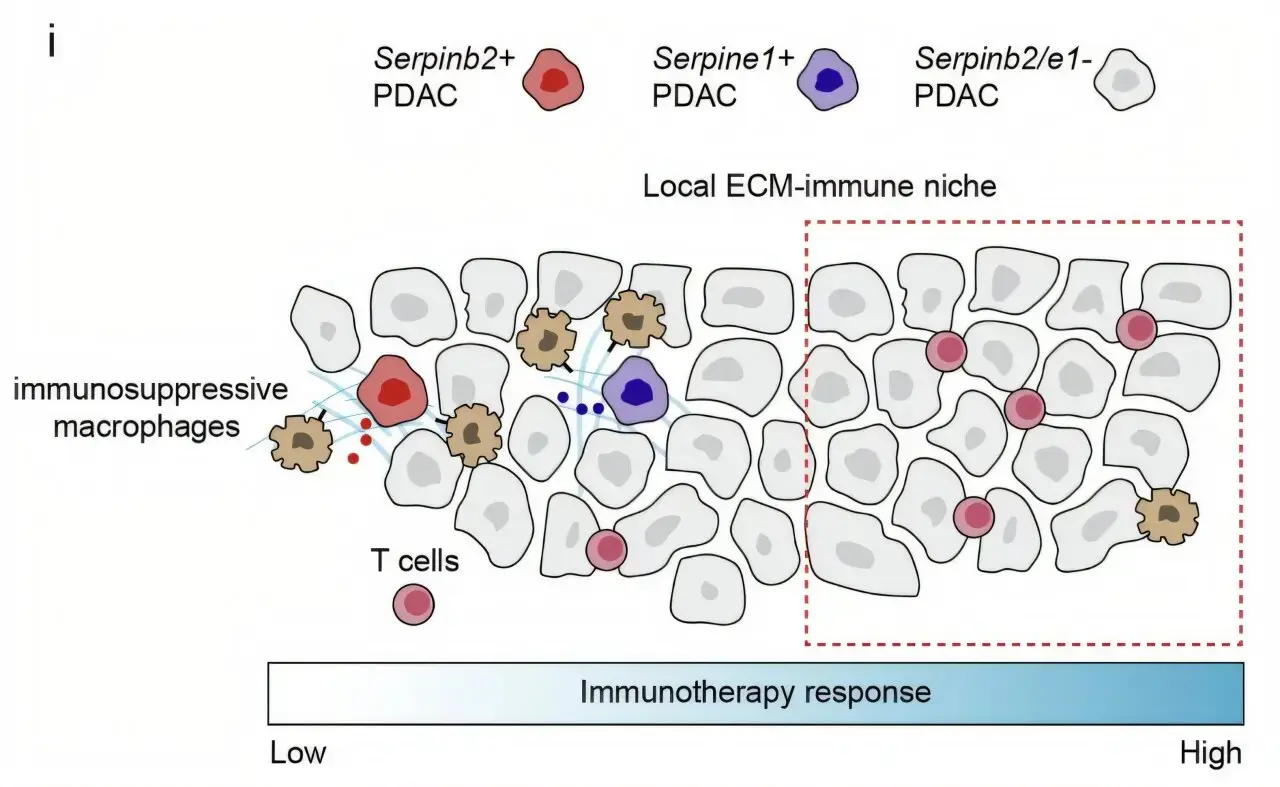 Pancreatic Cancer Hijacks Blood-Clotting System to Evade Immune Attack
 Survey Reveals Most Men Unaware Dairy May Increase Prostate Cancer Risk
The analysis revealed that slower maternal vocal response times were significantly associated with a higher risk of ADHD in children. This finding suggests that the way mothers interact with their infants may play a crucial role in shaping their child's behavior and cognitive development.
Can We Predict ADHD?
Mothers with slower response times were more likely to have children diagnosed with disruptive behavior disorders, such as ADHD. This link was observed even after controlling for other factors that may influence the development of ADHD. The study's findings highlight the importance of early intervention and close monitoring of infant-mother interactions.
According to the researchers, a slower response time may indicate difficulties in processing and responding to a child's needs. This can lead to a range of negative outcomes, including increased stress and anxiety in both the child and the mother. As a result, it's essential for parents and caregivers to be aware of the potential risks and take proactive steps to support healthy development.
Frequently Asked Questions
While the study's findings are promising, it's essential to note that slower maternal response times are not a definitive predictor of ADHD. However, they may serve as an early warning sign that requires further investigation and support. By identifying high-risk infants and providing targeted interventions, healthcare professionals may be able to reduce the likelihood of ADHD diagnosis.
The study's results also underscore the importance of parent-child interaction in shaping cognitive and behavioral development. By fostering a responsive and supportive environment, parents can help their children develop essential skills and reduce the risk of ADHD.
Content written by Dr. Elena Voss for wellness-bio-radar.com editorial team, AI-assisted.