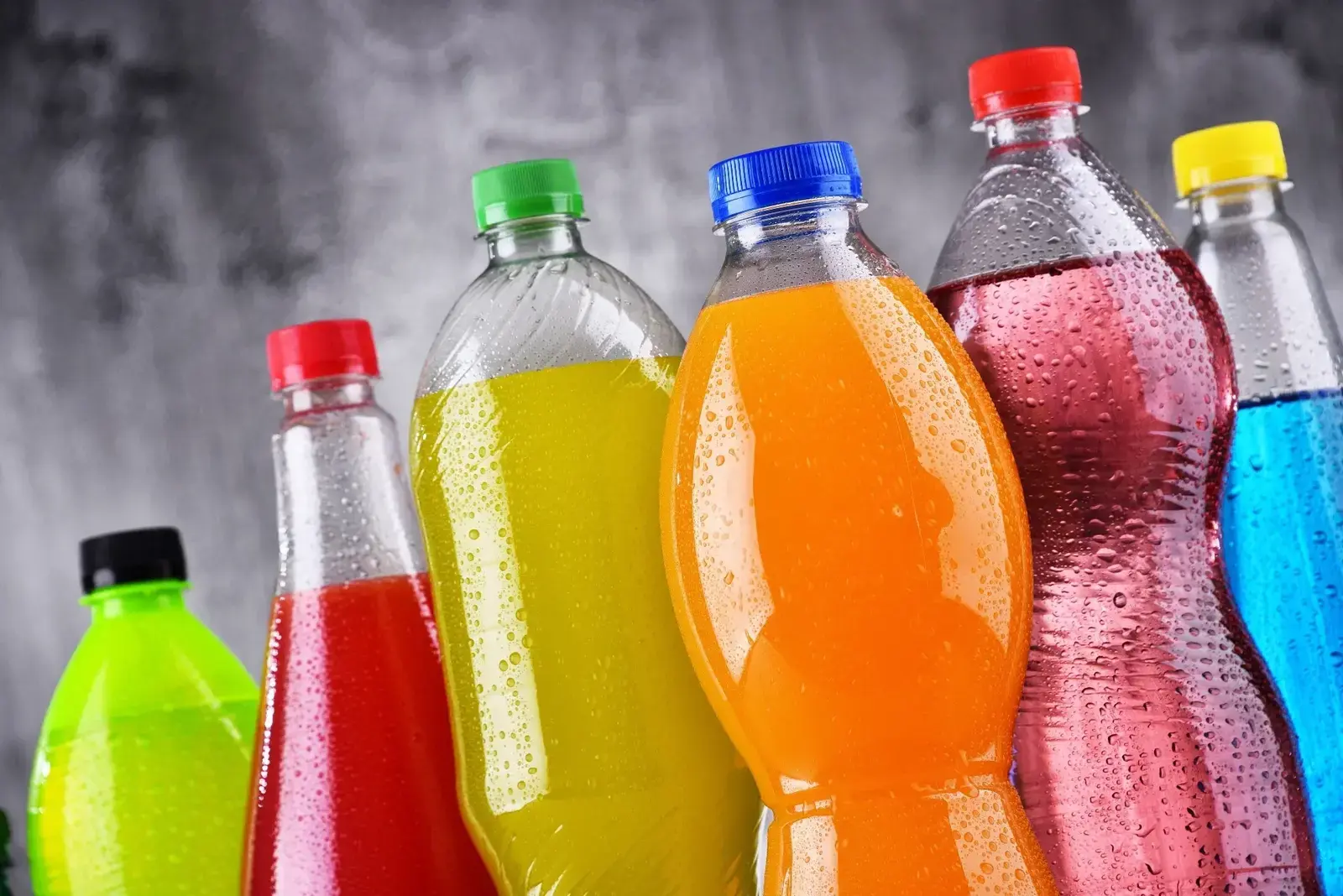
Sugar-Sweetened Beverages Linked to Higher Gastric Cancer Risk
Evaluating the Impact of Liquid Sugar
A major study tracking millions of person-years has identified a clear link between daily consumption of sugary drinks and an increased risk of gastric cancer. Researchers analyzed data from two large American cohorts to determine how different types of beverages influence long-term stomach health, specifically comparing sugar-sweetened options against artificially sweetened alternatives.
Health news
 Oxaloacetate supplement boosts cognitive scores in breast cancer survivors
 Hyperthymesia reveals deep secrets of human memory
 Petrelintide Delivers Significant Weight Loss in Diabetes Trial
 Targeted White Light May Ease Migraine Pain
The study monitored over 3.2 million person-years of data to evaluate the impact of beverage habits on cancer development. Participants who consumed more than one sugar-sweetened drink every day showed a higher incidence of gastric cancer compared to those who avoided these beverages. Conversely, the researchers found no significant correlation between the consumption of low-calorie, artificially sweetened drinks and the development of stomach cancer.
The findings highlight a potential dietary trigger for gastric malignancy that warrants closer public health attention. While sugar-sweetened beverages are often associated with obesity and metabolic syndrome, this research specifically isolates their relationship with stomach-related cancers. The study suggests that the frequent intake of high-sugar liquids may create a biological environment that promotes tumor growth in the gastric lining.
Could Daily Habits Alter Cancer Outcomes?
Researchers emphasized that the distinction between natural sugar and artificial sweeteners is vital for dietary guidance. While diet drinks are not necessarily health-promoting, they do not appear to carry the same elevated risk profile for stomach cancer as their sugar-laden counterparts. This provides a clearer focus for individuals looking to modify their beverage choices to lower their long-term health risks.
The implications of this study suggest that small, consistent changes in daily hydration habits could have significant protective effects. By reducing the intake of sugar-sweetened sodas and juices, individuals may effectively lower their exposure to one of the identified risk factors for gastric cancer. Further research is expected to delve deeper into the specific mechanisms that link high sugar intake to these cellular changes.
As public health officials continue to refine dietary recommendations, this data serves as a compelling argument for limiting added sugars. Moving forward, the focus will likely shift toward educating the public on these specific risks. Understanding these patterns allows for more informed choices that could ultimately improve long-term survival rates and reduce the incidence of gastric disease.
Frequently Asked Questions
Does drinking diet soda increase your risk of stomach cancer? No, the study found no significant association between the consumption of artificially sweetened beverages and the development of gastric cancer.
How much sugary drink consumption was linked to the increased risk? The research identified a higher risk for individuals who consumed more than one sugar-sweetened beverage per day.
What is the primary takeaway for consumers? The findings suggest that reducing the intake of sugar-sweetened beverages is a practical step for potentially lowering the risk of developing gastric cancer.