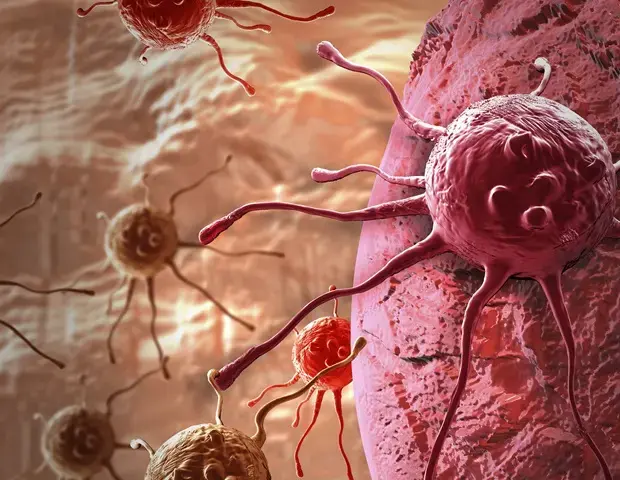
Targeting Metabolic Pathways to Combat KRAS-Mutant Cancers
Rewiring Cellular Metabolism
Researchers at Chiba University have made a breakthrough in understanding how to prevent relapse in KRAS-mutant cancers. Cells rely on tightly regulated signaling pathways to control growth, division, and survival. Disrupting these systems can lead to uncontrolled growth and cancer.
Health news
 Voice Recording Predicts Age, Reveals New Biological Clock
 Popular Zero-Calorie Sweeteners May Pass Effects to Future Generations
 Movement Patterns Linked to Longevity
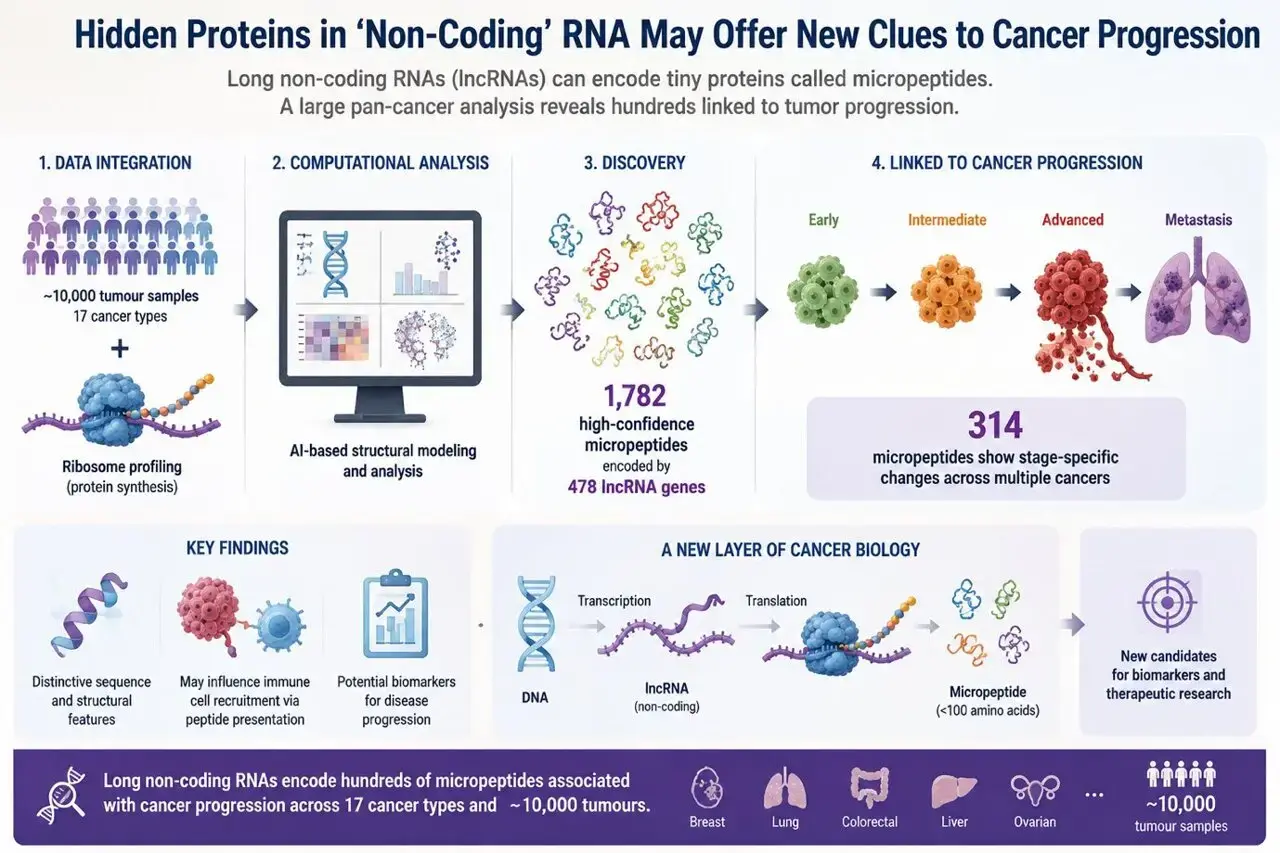 Hidden Proteins In Non-Coding RNA May Explain Cancer Spread
KRAS is a critical signaling molecule that, when mutated, can cause cancer. The Kirsten rat sarcoma viral oncogene homolog is one of the most frequently mutated genes in human cancers. Understanding how KRAS mutations affect cellular behavior is crucial to developing effective treatments.
Can Metabolic Reprogramming Prevent Cancer Relapse?
KRAS-mutant cancer cells rewire their metabolic pathways to support their rapid growth and survival. By targeting these altered metabolic pathways, researchers hope to prevent cancer relapse. Studies have shown that KRAS-mutant cells exhibit distinct metabolic profiles, which can be exploited to develop novel therapeutic strategies.
Researchers have identified specific metabolic vulnerabilities in KRAS-mutant cancer cells. For example, these cells often rely heavily on glucose and glutamine to fuel their growth. Targeting these metabolic dependencies could provide a new avenue for treating KRAS-mutant cancers.
By understanding how KRAS-mutant cancer cells reprogram their metabolism, researchers can develop targeted therapies to prevent relapse. This approach could provide a more effective treatment strategy for patients with KRAS-mutant cancers.
Frequently Asked Questions
Targeting metabolic pathways in KRAS-mutant cancers could lead to improved treatment outcomes and reduced risk of relapse. As researchers continue to uncover the complexities of KRAS-mutant cancer metabolism, new therapeutic strategies are likely to emerge.
What is KRAS, and how is it related to cancer? KRAS is a signaling molecule that, when mutated, can cause cancer by promoting uncontrolled cell growth. Mutations in KRAS are common in various types of cancer. How do KRAS-mutant cancer cells rewire their metabolism? KRAS-mutant cells alter their metabolic pathways to support rapid growth and survival, often relying heavily on glucose and glutamine. Can targeting metabolic pathways prevent cancer relapse? Yes, targeting the altered metabolic pathways in KRAS-mutant cancer cells may provide a new approach to preventing cancer relapse.
Content written by Marcus Reid for wellness-bio-radar.com editorial team, AI-assisted.