
Scientists Identify Target to Undermine Pancreatic Cancer Shield
Targeting the IL1RAP Pathway
Researchers at the University of Miami Miller School of Medicine reported on September 11, 2026 that blocking the IL1RAP receptor dismantles a protective inflammatory network. The approach reduced tumor growth and enhanced response to standard chemotherapy in laboratory experiments and early animal models.
Health news
 APOE Genotype Influences How Well Blood Tau Protein Predicts Cognitive Decline
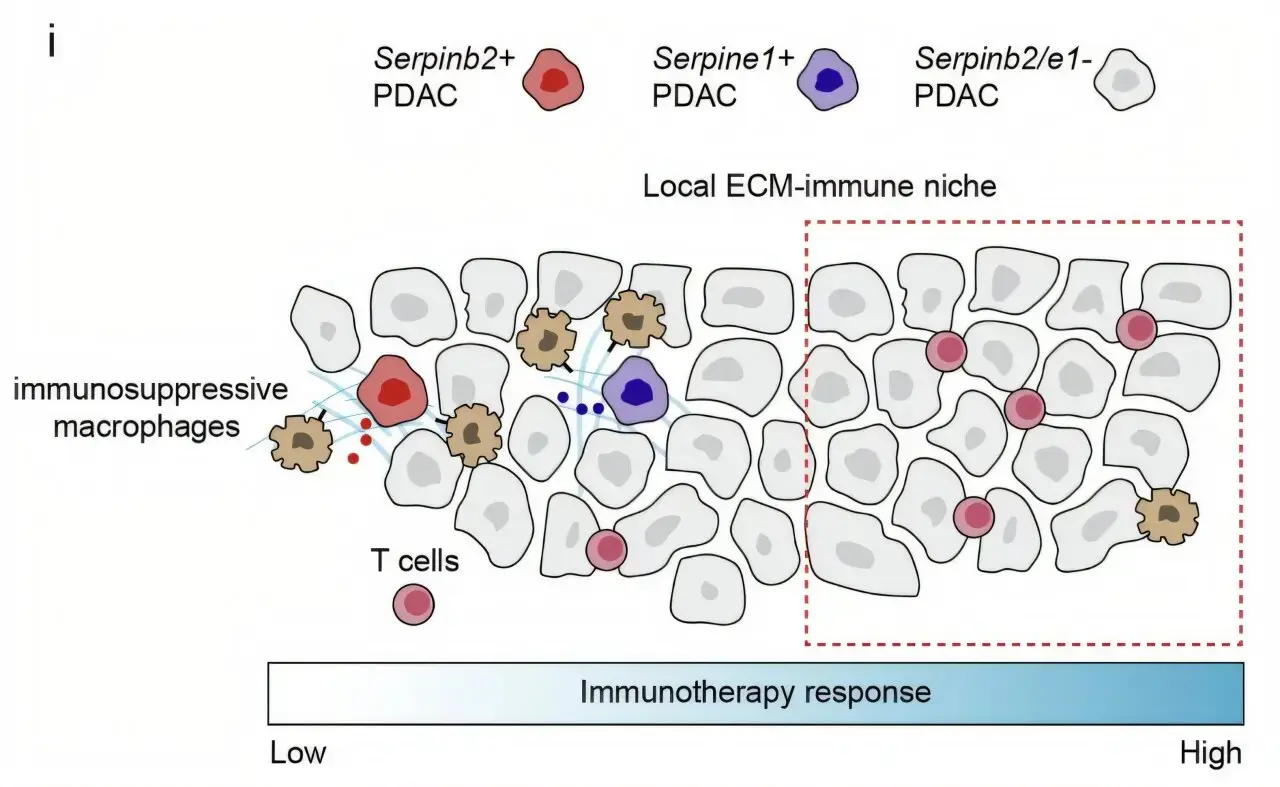 Pancreatic Cancer Hijacks Blood-Clotting System to Evade Immune Attack
 Survey Reveals Most Men Unaware Dairy May Increase Prostate Cancer Risk
 Therapeutic Gardening Shows Promise for Mental Health in Adults with Chronic Illnesses
Pancreatic tumors are surrounded by a dense stroma of fibroblasts, immune cells and extracellular matrix. This shield limits drug penetration and fosters resistance. The IL1RAP receptor, part of the interleukin‑1 pathway, helps coordinate the protective environment. Silencing IL1RAP with small‑molecule inhibitors disrupts communication between cancer cells and surrounding tissue. In mouse models, the approach alone slowed tumor growth, and combined with gemcitabine it increased shrinkage by about 40 percent.
Dr. Ana Martinez, lead author, said IL1RAP sits on the surface of key stromal cells. Inhibiting it weakens the tumor’s defensive perimeter. The study used a selective inhibitor to block receptor signaling. Laboratory tests showed reduced cytokine release and increased chemotherapy uptake.
Can Blocking IL1RAP Revive Existing Therapies?
If the approach proves safe in humans, it could restore the efficacy of current chemotherapy regimens for pancreatic cancer. Clinical trials are slated to begin in 2027 to evaluate the inhibitor in combination with standard drugs. Early data suggest the combination may extend progression‑free survival.
Blocking IL1RAP could transform pancreatic cancer treatment by removing a major barrier to drug action. Researchers expect the strategy to complement immunotherapy and targeted therapies, offering a new avenue for patients with limited options.
Frequently Asked Questions
What is IL1RAP and why does it matter for pancreatic cancer? IL1RAP is a receptor that joins the interleukin‑1 signaling pathway. It helps coordinate the dense stromal network that shields pancreatic tumors from therapy. Disrupting IL1RAP weakens this protective barrier.
How did the researchers block IL1RAP in their experiments? They applied a small‑molecule inhibitor that specifically binds IL1RAP, preventing its activation. The inhibitor was tested in cultured stromal cells and in mouse tumor models. Blocking the receptor reduced inflammatory signaling and tumor growth.
When might this therapy become available to patients? The team plans to start Phase I clinical trials in 2027. Results from early safety studies are expected by late 2028. If successful, the therapy could be approved within five years.
Content written by Claire Ashworth for wellness-bio-radar.com editorial team, AI-assisted.