
Understanding the Role of Symptoms in Infection Survival
The Hidden Benefits of Feeling Unwell
Fatigue often leads individuals to rest, allowing the body to focus its energy on fighting off infections. Loss of appetite may seem detrimental, yet it can reduce the intake of substances that may hinder recovery. Social withdrawal, while isolating, can limit the spread of illness to others, highlighting a protective instinct within our behavior.
Health news
 Voice Recording Predicts Age, Reveals New Biological Clock
 Popular Zero-Calorie Sweeteners May Pass Effects to Future Generations
 Movement Patterns Linked to Longevity
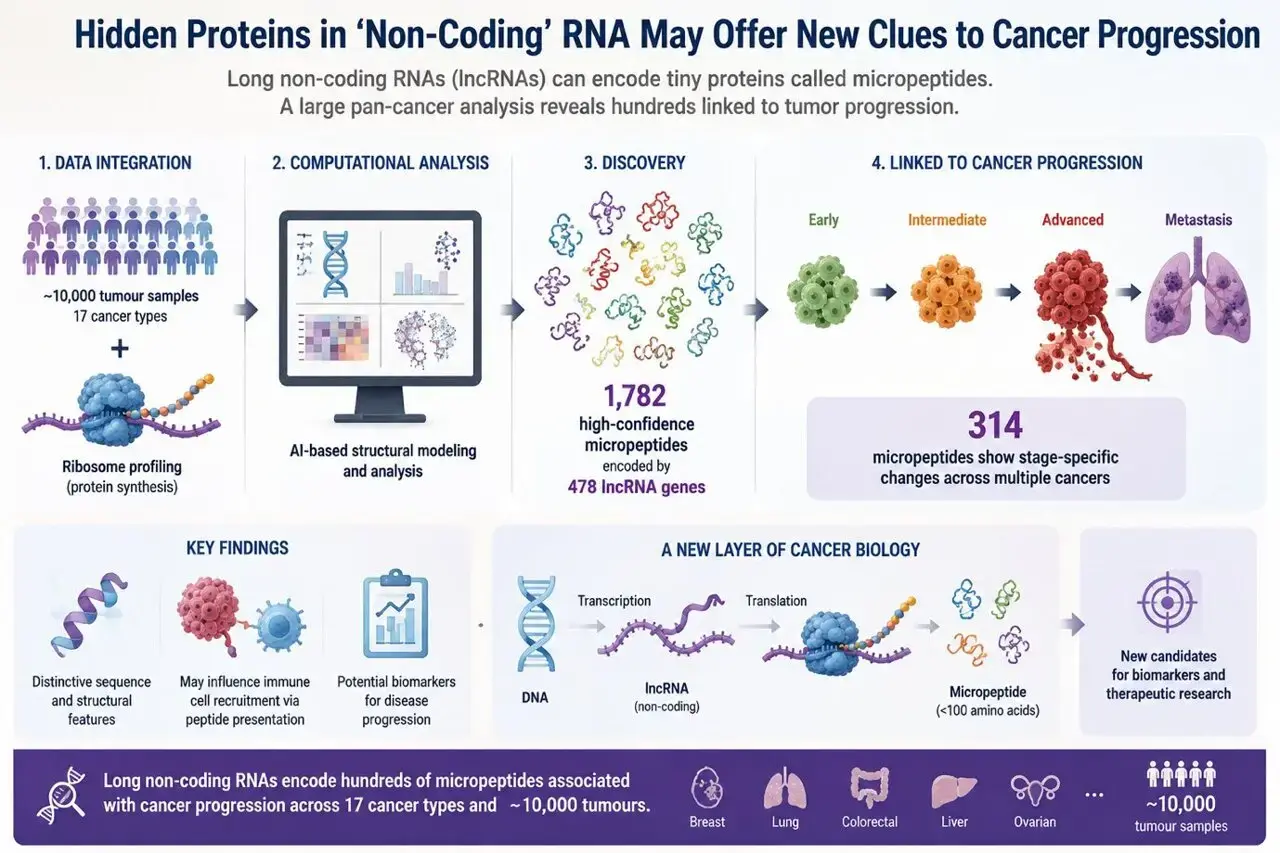 Hidden Proteins In Non-Coding RNA May Explain Cancer Spread
How Do Symptoms Influence Recovery?
Research indicates that these symptoms are not just side effects but essential components of our survival mechanism. The immune system triggers these responses to prioritize healing, demonstrating a complex interplay between discomfort and recovery.
Symptoms can significantly impact the duration and severity of infections. For instance, adequate rest can enhance the immune system's efficiency, while maintaining hydration and nutrition, despite appetite loss, is vital for recovery. Understanding this relationship can lead to better treatment strategies and patient care.
Experts suggest that recognizing the importance of these symptoms may change how we approach illness. Instead of solely focusing on alleviating discomfort, healthcare providers could emphasize the need for rest and self-care during infections.
Frequently Asked Questions
Final thoughts on this research indicate that a shift in perspective could improve recovery outcomes. By valuing the body's natural responses, individuals may enhance their resilience against infections, leading to better health in the long run.
What role do symptoms play in fighting infections? Symptoms like fatigue and loss of appetite help the body conserve energy for healing and may prevent the spread of illness.
Can ignoring symptoms affect recovery? Yes, neglecting symptoms can hinder the healing process, as rest and self-care are crucial for effective recovery from infections.
Content written by James Harlow for wellness-bio-radar.com editorial team, AI-assisted.