Weight Loss Drugs May Curb Addiction Risks
Rewiring the Reward System?
A large new study examined over 600,000 U. S. veterans. Researchers found a potential link between popular weight-loss drugs and reduced rates of substance use disorder. The study, conducted by Washington University School of Medicine, covered a period of one year.
Health news
 Sleep May Be the Heart's Nightly Repair Window, Study Suggests
 APOE Genotype Influences How Well Blood Tau Protein Predicts Cognitive Decline
 Pancreatic Cancer Hijacks Blood-Clotting System to Evade Immune Attack
 Survey Reveals Most Men Unaware Dairy May Increase Prostate Cancer Risk
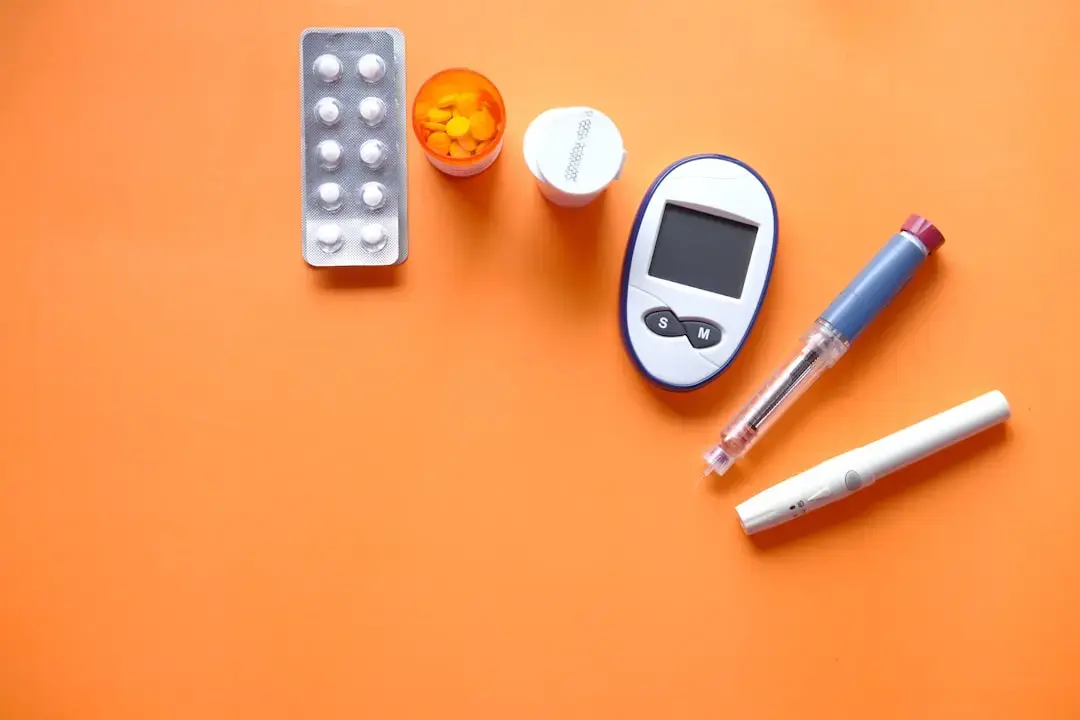
These drugs, known as GLP-1 receptor agonists, are increasingly used for weight management. Semaglutide is one example, gaining prominence for its effectiveness. The research suggests these medications might also address the underlying brain mechanisms driving addiction. This could lead to a new approach in treating substance use disorders.
The study analyzed data from veterans receiving care through the Department of Veterans Affairs. It compared those prescribed GLP-1 drugs to a control group. Results indicated a significant decrease in diagnoses related to alcohol, nicotine, and opioid use. The reduction in risk varied, but was consistently observed across multiple substances. Researchers believe the drugs impact the brain’s reward system.
Could This Change Addiction Treatment?
GLP-1 drugs originally target hormones regulating appetite and blood sugar. However, these hormones also play a role in reward pathways. By influencing these pathways, the medications may lessen cravings and compulsive behaviors. This is a crucial finding, as many addictions stem from overstimulation of the brain’s reward center. The study controlled for other factors that could influence addiction rates.
The observed effects were substantial. Veterans on GLP-1 medications showed a roughly 63% lower risk of new opioid use disorder diagnoses. Nicotine and alcohol use disorder diagnoses also decreased significantly. However, experts caution this is an observational study. It demonstrates correlation, not direct causation. Further research, including clinical trials, is needed to confirm these findings.
Frequently Asked Questions
The potential implications are considerable. If confirmed, GLP-1 drugs could become a valuable tool in addiction treatment. They could be used alongside traditional therapies, offering a new avenue for recovery. This could be especially beneficial for individuals struggling with multiple substance use disorders. The study opens a promising new area of investigation for both obesity and addiction.
Could GLP-1 drugs replace current addiction therapies? Not likely. These drugs are not intended to be a standalone cure. They would likely be used as an adjunct to existing treatments like counseling and support groups. A comprehensive approach remains essential for successful recovery.
Are there side effects to consider with these medications? Yes. GLP-1 drugs can cause side effects like nausea and digestive issues. These are generally mild, but patients should discuss potential risks with their doctor. Careful monitoring is crucial when prescribing any medication.
Content written by Marcus Reid for wellness-bio-radar.com editorial team, AI-assisted.