Why Human Gait Changes as We Grow Older
The Cost of Staying Upright
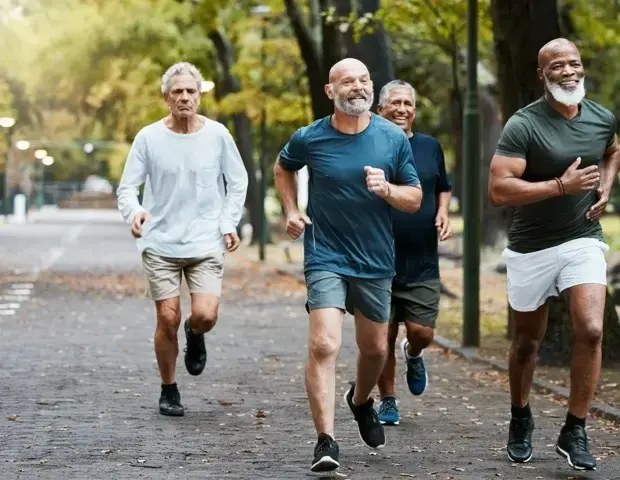
Researchers from Flinders University and the University of Canberra recently identified why walking becomes slower and more laborious with age. A study published in June 2026 reveals that aging bodies prioritize stability over energy conservation. This shift in movement strategy explains the common physical decline observed in older adults during daily activities.
Health news
 Voice Recording Predicts Age, Reveals New Biological Clock
 Popular Zero-Calorie Sweeteners May Pass Effects to Future Generations
 Movement Patterns Linked to Longevity
 Hidden Proteins In Non-Coding RNA May Explain Cancer Spread
The research highlights a fundamental change in how the body manages balance. As people grow older, they adopt a safety-firstapproach to locomotion. This mechanism forces the body to sacrifice mechanical efficiency to ensure the person remains upright. While this strategy prevents falls, it significantly increases the metabolic cost of every step taken.
Scientists analyzed the biomechanics of aging to understand why walking feels more exhausting over time. The study indicates that older adults utilize different muscle activation patterns to maintain their center of gravity. These adjustments require more energy than the fluid, efficient movements typical of younger individuals.
Is Slower Walking a Biological Necessity?
By shifting focus toward stability, the body inadvertently creates a cycle of fatigue. The extra effort required to stabilize the frame means that older walkers tire much faster than they once did. This physiological trade-off is a natural response to the increased risk of losing balance during routine movement.
The findings suggest that the transition to a slower pace is not merely a choice but a biological adaptation. The body instinctively slows down to better process sensory information and adjust posture in real time. This deliberate pace helps mitigate the consequences of reduced muscle strength and sensory feedback.
Frequently Asked Questions
Understanding these mechanics could lead to better physical therapy programs for the elderly. By targeting the specific muscles involved in stability, experts hope to improve walking efficiency. These interventions might help older adults maintain their independence and mobility for longer periods.
Why do older adults walk slower? They slow down to prioritize stability and balance over speed. This biological adaptation helps them avoid falls but requires more energy.
Does walking become more tiring with age? Yes, the body sacrifices mechanical efficiency to stay upright. This increased effort makes walking physically demanding and leads to faster exhaustion.
Content written by Dr. Nathan Cole for wellness-bio-radar.com editorial team, AI-assisted.