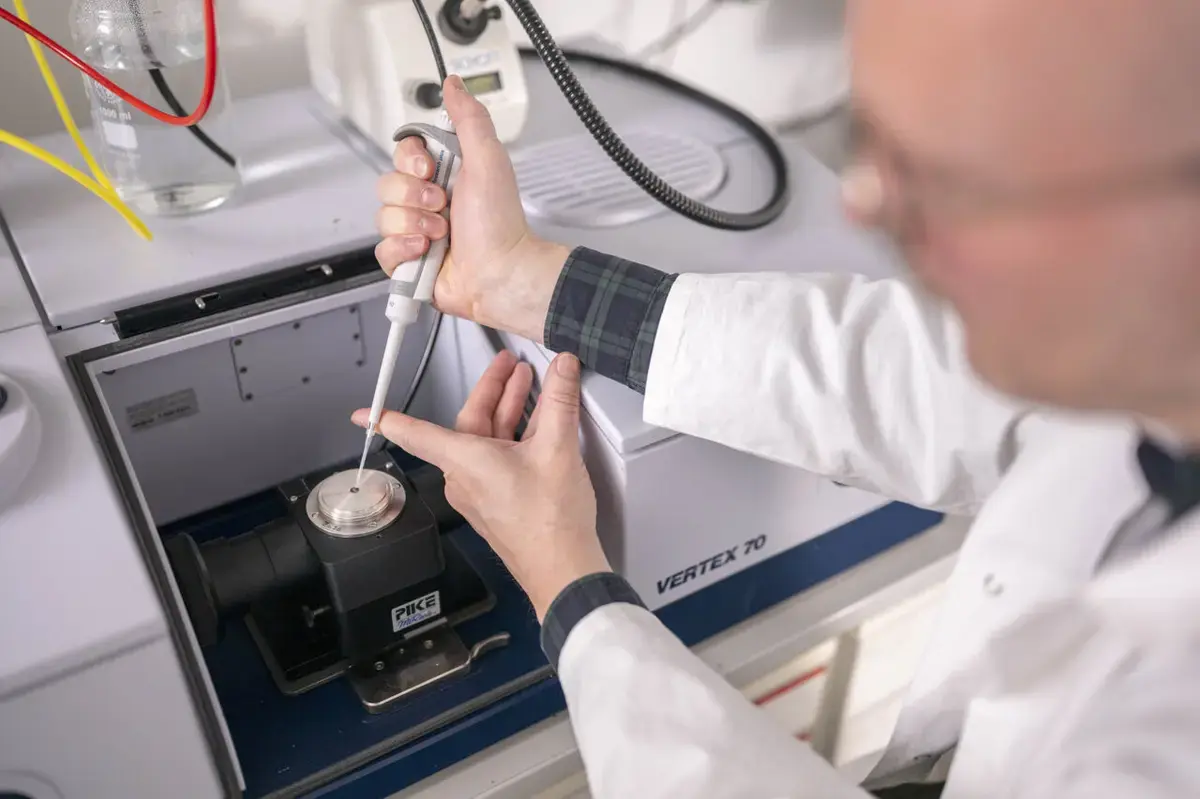
Microbes Transform Carbon Dioxide into Life
Unlocking the Secrets of Microbial Metabolism
Scientists discovered how rock-eating microbes convert carbon dioxide into biomass. These microorganisms thrive on minerals. Research focused on a unique membrane complex crucial to this process. The study reveals insights into carbon cycling and potential biotechnology applications.
Health news
 Sleep May Be the Heart's Nightly Repair Window, Study Suggests
 APOE Genotype Influences How Well Blood Tau Protein Predicts Cognitive Decline
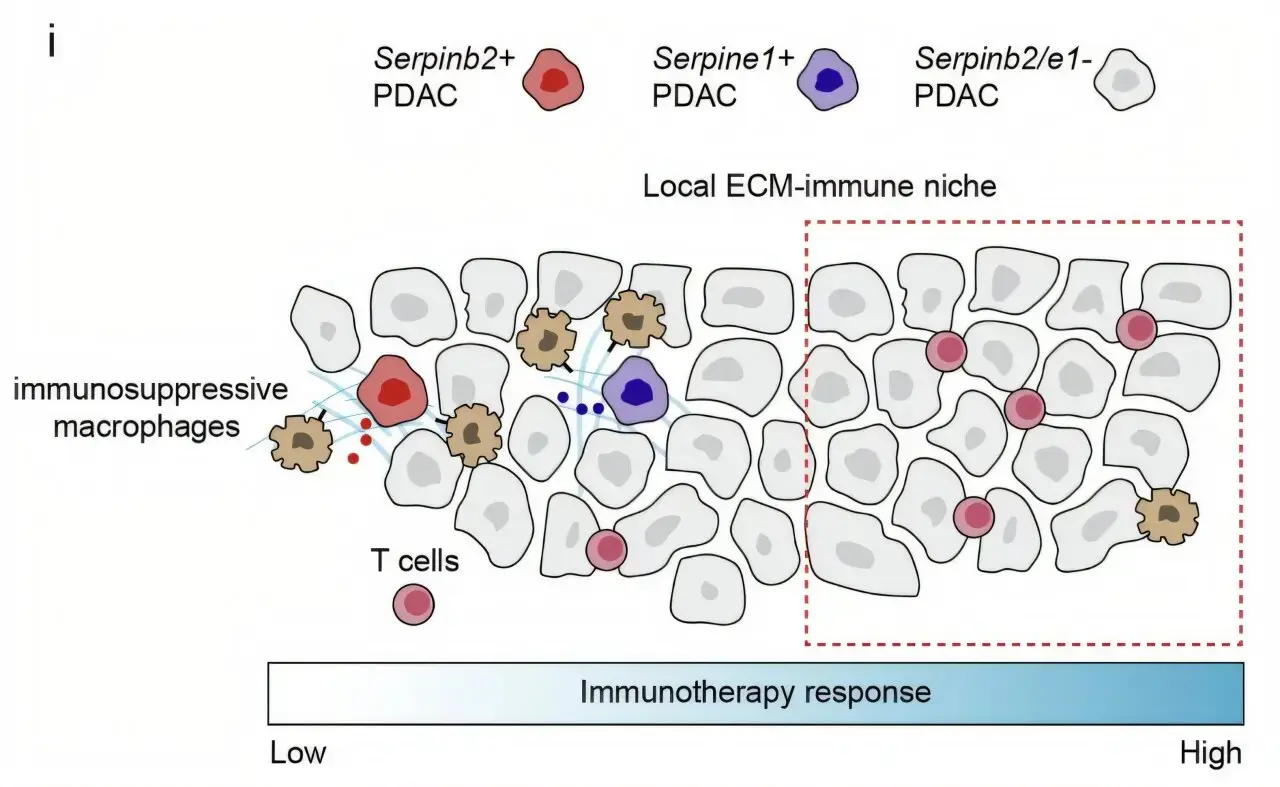 Pancreatic Cancer Hijacks Blood-Clotting System to Evade Immune Attack
 Survey Reveals Most Men Unaware Dairy May Increase Prostate Cancer Risk
These microbes, found in rocky environments, don’t rely on sunlight like plants. Instead, they extract energy from inorganic materials. This energy fuels the conversion of CO2 into organic compounds. Researchers identified a specific membrane complex responsible for capturing and utilizing CO2. It’s a key step in their survival and growth. The complex facilitates electron transfer.
The membrane complex acts as a biological engine. It efficiently transfers electrons. These electrons are vital for reducing CO2. This reduction process ultimately creates the building blocks for microbial life. Researchers used advanced imaging techniques to observe the complex in action. They confirmed its role in carbon fixation. The findings were published in a peer-reviewed scientific journal.
Can This Process Be Scaled for Climate Solutions?
„This is a fundamental process,” explains researcher Robert Egan. „Understanding how these microbes function can help us develop new strategies.” These strategies could address carbon capture and sustainable biomass production. The team focused on understanding the molecular mechanisms at play. They wanted to see exactly how the complex interacts with CO2 and minerals.
The process is remarkably efficient within the microbial cells. However, scaling it up for large-scale carbon capture presents challenges. Researchers are exploring ways to mimic the microbial complex. They hope to create artificial systems for CO2 conversion. This could offer a sustainable alternative to traditional methods. Further research will focus on optimizing the process.
Frequently Asked Questions
The implications extend beyond climate change mitigation. The microbes’ ability to create biomass from CO2 could revolutionize biotechnology. It could lead to new methods for producing biofuels and other valuable materials. The study highlights the potential of harnessing microbial processes. It demonstrates nature’s ingenuity in carbon cycling. This offers a pathway toward a more sustainable future.
How do these microbes ‘eat’ rocks? They don’t consume rocks in the traditional sense. Instead, they extract electrons from minerals. These electrons provide the energy needed for their metabolic processes.
Is this process similar to photosynthesis? While both processes involve carbon fixation, they differ significantly. Photosynthesis uses sunlight, while these microbes use energy from inorganic materials. They operate in completely different environments.
Content written by Marcus Reid for wellness-bio-radar.com editorial team, AI-assisted.