
Vitamin D Linked to Significant Cognitive Gains in Elderly Adults
High-Dose Supplementation Shows Measurable Benefits
Researchers at Emory University reported that older adults suffering from mild cognitive impairment and sleep issues showed marked improvements when taking high doses of vitamin D. The study focused on participants who consumed at least 5,000 international units of the nutrient daily. These individuals scored over 13 percent higher on standardized cognitive tests compared to peers who took no supplement. The findings emerged from a preliminary analysis conducted in August 2026.
Health news
 APOE Genotype Influences How Well Blood Tau Protein Predicts Cognitive Decline
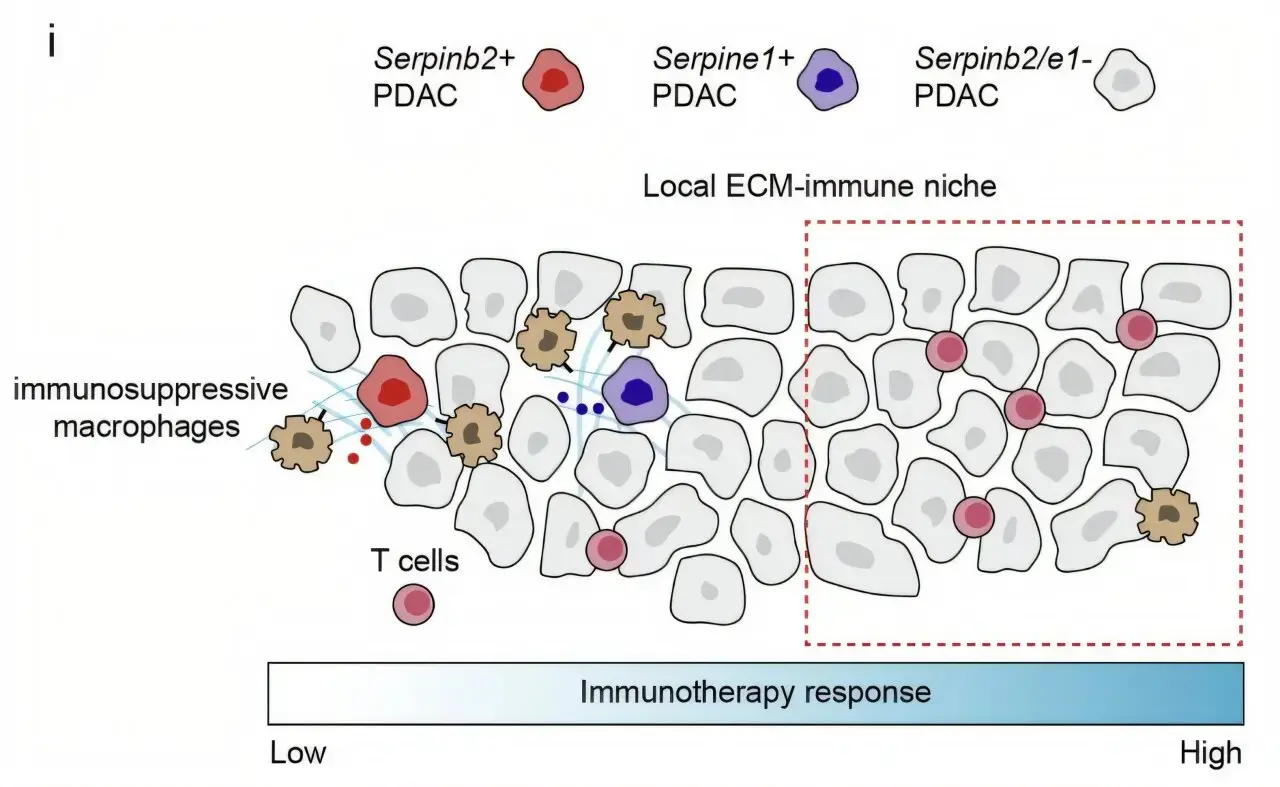 Pancreatic Cancer Hijacks Blood-Clotting System to Evade Immune Attack
 Survey Reveals Most Men Unaware Dairy May Increase Prostate Cancer Risk
 Therapeutic Gardening Shows Promise for Mental Health in Adults with Chronic Illnesses
The investigation targeted a specific demographic facing dual challenges of brain health and rest quality. Scientists observed that adequate vitamin D levels might support neural function during sleep. The connection between this common vitamin and cognitive performance has long been hypothesized. However, this new data provides concrete evidence for its potential role in slowing mental decline. The results suggest that nutritional intervention could serve as a simple tool for managing early-stage memory loss.
Can Nutrition Reverse Early Memory Loss?
The core finding centers on the dosage required to achieve these results. Participants needed to take a minimum of 5,000 IU per day to see the significant jump in test scores. This amount is considerably higher than standard maintenance doses often recommended for general bone health. The study specifically looked at people with mild cognitive impairment, a condition that often precedes dementia. Sleep problems were another key factor, as poor rest can exacerbate cognitive symptoms. By addressing both issues simultaneously, the researchers isolated the impact of vitamin D. The 13 percent improvement is statistically notable in clinical trials involving elderly populations. It indicates that the vitamin may help protect brain cells from stress caused by inadequate sleep.
While the results are promising, experts caution that the data remains preliminary. The study did not prove that vitamin D cures cognitive impairment. Instead, it highlighted a strong correlation between high intake and better test performance. The mechanism behind this link is still under investigation. Some theories suggest that vitamin D acts as an anti-inflammatory agent in the brain. Others propose it helps regulate circadian rhythms, thereby improving sleep quality. The combination of these effects could create a more favorable environment for memory retention. Future studies will need to confirm if these benefits persist over longer periods. Researchers are currently designing follow-up trials to track long-term outcomes.
The implications for aging populations are substantial. If confirmed, simple dietary changes or supplementation could offer a low-cost strategy for maintaining mental sharpness. Doctors may begin recommending higher doses for patients showing early signs of cognitive decline. However, individuals should consult healthcare providers before starting high-dose regimens. The goal is to integrate nutrition into broader care plans for neurodegenerative conditions. As the population ages, understanding how to preserve brain health becomes increasingly critical. This research opens a new pathway for preventive care in geriatric medicine.
Frequently Asked Questions
Does everyone need 5,000 IU of vitamin D daily? Not necessarily. This specific dose was used in the study for participants with mild cognitive impairment and sleep issues. General recommendations for healthy adults are typically lower, ranging from 600 to 2,000 IU.
Is this study conclusive proof that vitamin D prevents dementia? No, the findings are preliminary. They show a link between high vitamin D intake and better cognitive scores in a specific group. More research is needed to determine if it prevents full-blown dementia or other forms of memory loss.
Content written by Dr. Elena Voss for wellness-bio-radar.com editorial team, AI-assisted.