
Brain Links Distant Memories During Learning
The Role of „Silent” Brain Activity
Researchers have discovered how the brain connects seemingly unrelated experiences. This process happens while forming and strengthening memories. The study, published in Nature Neuroscience, focused on brain activity during learning. It reveals a surprising method of memory consolidation.
Health news
 Sleep May Be the Heart's Nightly Repair Window, Study Suggests
 APOE Genotype Influences How Well Blood Tau Protein Predicts Cognitive Decline
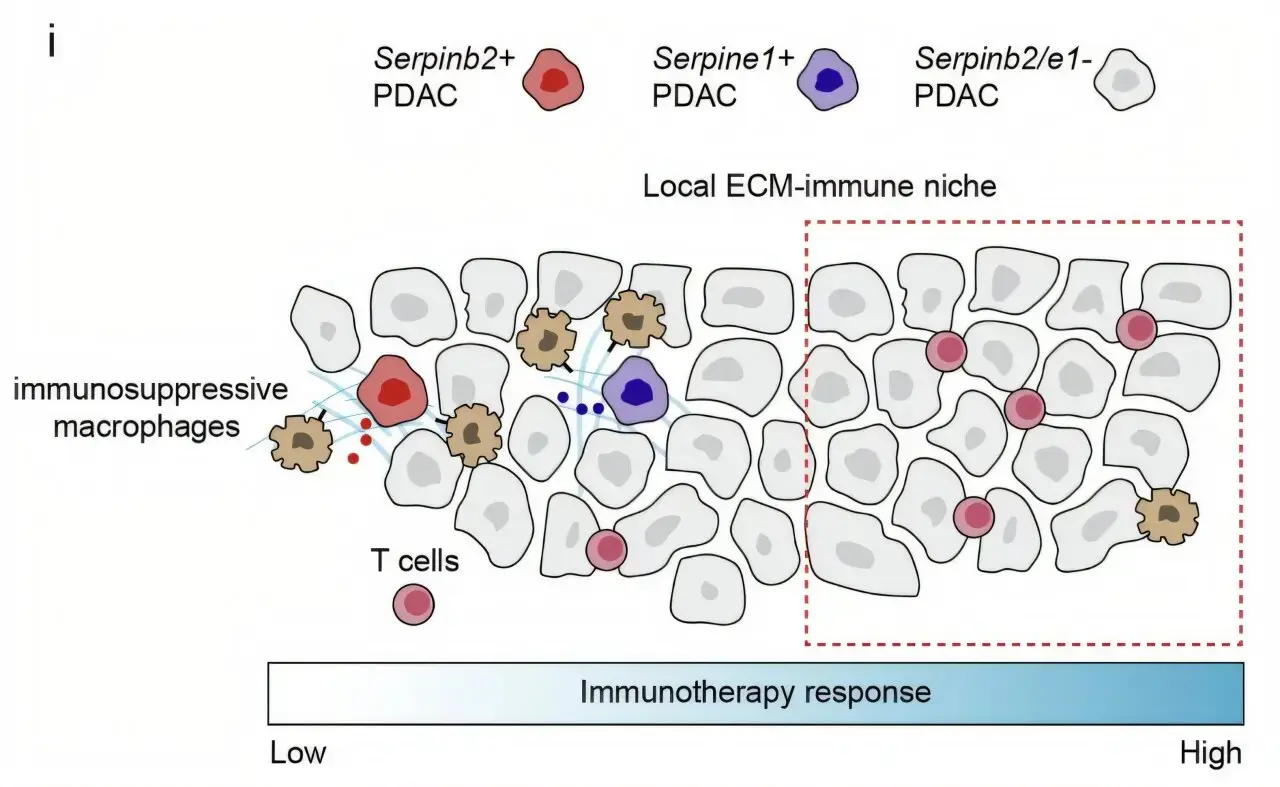 Pancreatic Cancer Hijacks Blood-Clotting System to Evade Immune Attack
 Survey Reveals Most Men Unaware Dairy May Increase Prostate Cancer Risk
The brain doesn’t store memories as isolated events. Instead, it weaves together different experiences. This creates a richer, more interconnected understanding of the world. Scientists observed this linking process through detailed brain scans. They focused on activity patterns during specific learning tasks. The research sheds light on how we build complex memories.
The team examined brain activity during brief pauses in learning. These „still moments” weren’t previously considered important. However, researchers found significant activity in these periods. They observed communication between distant brain regions. Specifically, the hippocampus – crucial for memory – connected with the cortex. This cortical region processes sensory information.
Does This Explain How We Form Associations?
This connection isn’t a direct, immediate signal. Instead, it involves a delayed replay of neural patterns. The hippocampus replays experiences, then the cortex responds. This replay happens during the quiet moments between tasks. It suggests the brain is actively organizing and integrating information. The team believes this process is vital for long-term memory formation.
The study suggests this replay mechanism explains how we form associations. It's how the brain links a smell to a specific place. Or how a song can trigger a vivid memory. The delayed cortical response seems to build context around the initial experience. This context helps solidify the memory and make it more accessible. Researchers used advanced imaging techniques to track these patterns. They observed the replay occurring even when subjects weren’t actively learning.
The researchers found that the strength of these connections correlated with learning success. Stronger communication between the hippocampus and cortex meant better memory recall. This indicates the replay process isn't just a byproduct of learning. It’s an essential component. The findings could have implications for understanding memory disorders.
Frequently Asked Questions
This research provides a new perspective on how memories are created. It highlights the importance of seemingly inactive brain moments. Understanding this process could lead to therapies for memory loss. It may also help improve learning strategies. Further research will explore how this mechanism functions in different types of memory.
How does this differ from previous understandings of memory? Previous research focused on activity during learning. This study demonstrates the importance of brain activity between learning events. It shows memories aren’t formed in a single instant, but through ongoing integration.
Could this explain why memories sometimes change over time? Yes, the replay process isn’t a perfect recording. The brain actively reconstructs memories. This reconstruction can introduce errors or embellishments. It explains why our memories aren’t always accurate.
Content written by Chris Hayward for wellness-bio-radar.com editorial team, AI-assisted.