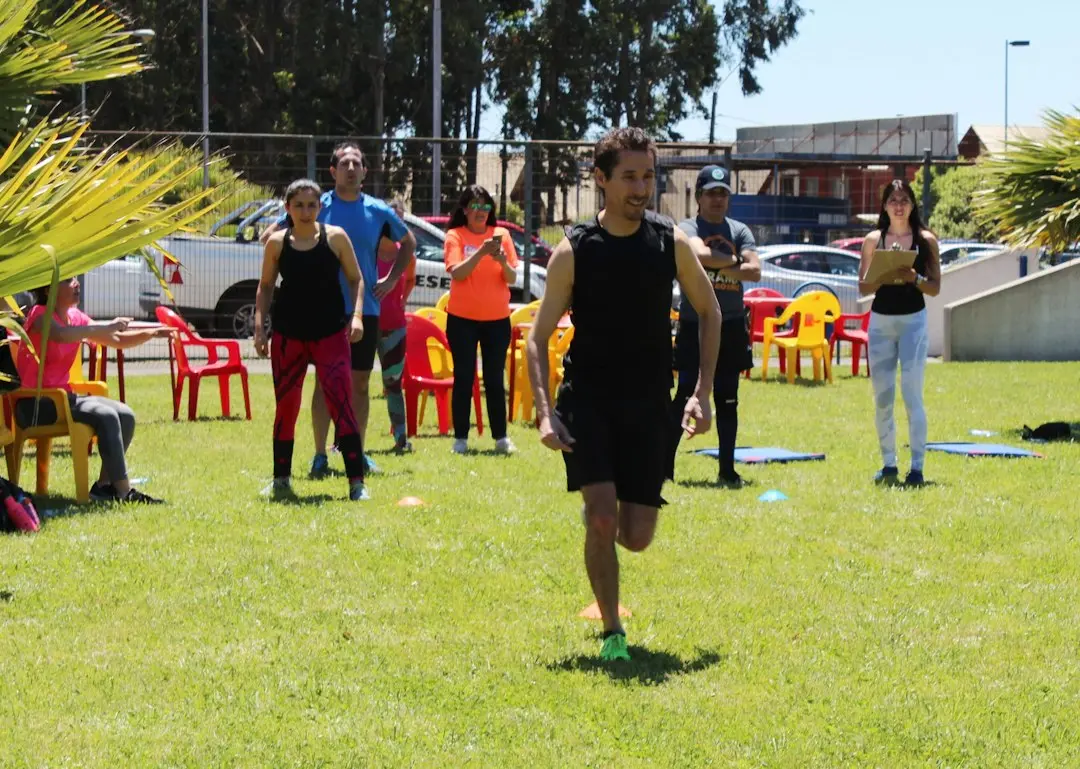
High-Intensity Interval Training Best for Older Adults' Fat Loss
Why Intensity Matters for Aging Muscles
Researchers at the University of the Sunshine Coast revealed that high-intensity interval training offers older adults a distinct advantage. This six-month study focused on maintaining muscle mass while reducing body fat. The findings challenge common advice that favors only moderate exercise for seniors.
Health news
 Hyperthymesia reveals deep secrets of human memory
 Petrelintide Delivers Significant Weight Loss in Diabetes Trial
 Targeted White Light May Ease Migraine Pain
 Experimental Vaccine Triggers Immune Response Against Pancreatic Cancer Mutations
The study tracked participants over half a year to observe physiological changes. Researchers compared different exercise intensities to identify the most effective method. They sought to understand how older bodies respond to physical stress. The goal was to find a sustainable routine for long-term health.
The data showed that high-intensity efforts outperformed moderate workouts. Participants who engaged in intense bursts of activity lost more fat. Crucially, they preserved their lean muscle tissue better than others. This combination is vital for preventing age-related frailty.
Moderate exercise, while beneficial, did not yield the same results. It failed to trigger the same metabolic responses in older adults. High-intensity interval training pushes the body harder in shorter periods. This method creates a stronger stimulus for fat burning. It also signals the body to retain existing muscle fibers.
Can Seniors Safely Handle High-Intensity Workouts?
Many people assume intense exercise is too risky for older populations. However, the study suggests otherwise when properly supervised. The key lies in the structure of the training sessions. Short bursts of effort are followed by recovery periods. This design allows the body to manage stress effectively.
Participants reported feeling capable of completing the sessions. The structured nature of the program reduced injury risks. Supervision ensured that movements were performed correctly. This safety framework makes the approach accessible to many seniors. It dispels the myth that aging requires only gentle movement.
The implications for public health are significant. Healthcare providers can recommend this specific training type. It offers a targeted solution for common aging issues. Patients may see improvements in both weight and strength. This dual benefit supports overall functional independence.
Frequently Asked Questions
Future research should expand on these initial findings. Larger trials can confirm the long-term sustainability of these results. Understanding the optimal frequency of these sessions is also important. Doctors can use this data to tailor prescriptions. Personalized plans will likely yield the best outcomes for patients.
Does high-intensity training damage older joints? The study indicates that structured high-intensity intervals are safe for older adults. Proper supervision and recovery periods minimize the risk of joint injury. Participants maintained muscle mass without reported significant harm.
Is moderate exercise useless for older adults? Moderate exercise still provides general health benefits. However, it was less effective for specific fat loss and muscle retention in this study. It remains a viable option for those who cannot tolerate high intensity.
How long did the study last? The research tracked participants for six months. This duration allowed researchers to observe sustained physiological changes. It provided a realistic timeframe for assessing long-term fitness adaptations.