
Diabetes Insights from Large Human Islet Study
Uncovering the Biology of Insulin Production
Researchers at Vanderbilt University Medical Center have made a groundbreaking discovery about diabetes, a disease affecting over 12% of Americans. The study, released on May 12, 2026, sheds new light on the condition characterized by insufficient insulin production.
Health news
 Sleep May Be the Heart's Nightly Repair Window, Study Suggests
 APOE Genotype Influences How Well Blood Tau Protein Predicts Cognitive Decline
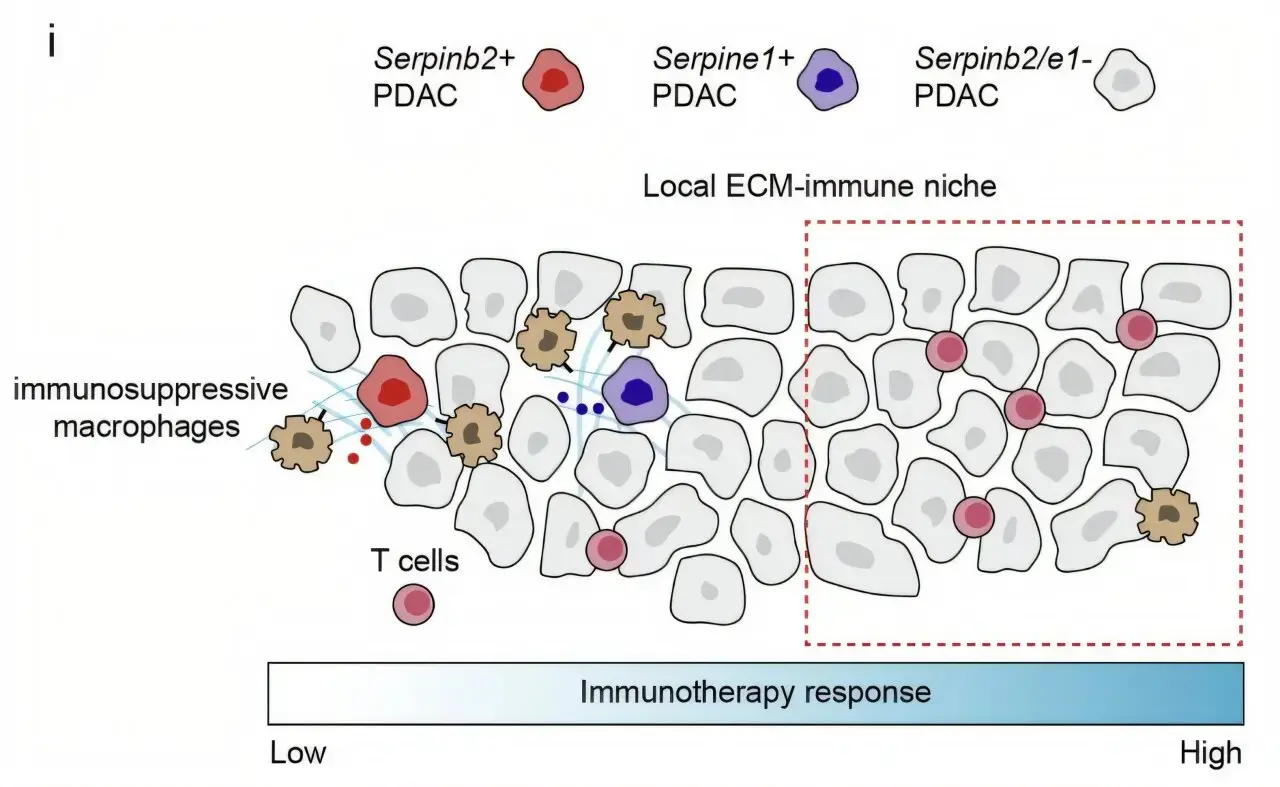 Pancreatic Cancer Hijacks Blood-Clotting System to Evade Immune Attack
 Survey Reveals Most Men Unaware Dairy May Increase Prostate Cancer Risk
Diabetes is a serious chronic disease worldwide, causing significant economic burden with an estimated annual cost of over $400 billion in the US alone. It is the eighth leading cause of death in the country, highlighting the need for a deeper understanding of the disease.
The study focused on human islets, the clusters of cells in the pancreas responsible for producing insulin. By analyzing a large number of human islets, the researchers gained new insights into the genetic and molecular mechanisms underlying diabetes. This knowledge will help scientists better understand how the disease develops and progresses.
Can Diabetes Be Better Managed Through Genetics?
The findings have significant implications for the development of new treatments and therapies. Understanding the intricacies of insulin production can lead to more effective management of diabetes. The study's results provide a crucial step forward in the fight against this debilitating disease.
The research highlights the complex interplay between genetics and environmental factors in the development of diabetes. By identifying key genetic markers associated with the disease, scientists can develop more targeted and effective treatments. This could potentially lead to improved patient outcomes and a reduction in the economic burden of the disease.
The study's consequences are far-reaching, with potential breakthroughs in diabetes treatment and management on the horizon. As researchers continue to unravel the complexities of the disease, patients can expect more effective and personalized care.
Frequently Asked Questions
What is the main focus of the study? The study focuses on human islets and their role in insulin production. It aims to understand the genetic and molecular mechanisms underlying diabetes.
How does the study contribute to diabetes research? The study provides new insights into the biology of insulin production, shedding light on the development and progression of diabetes.
What are the potential outcomes of the research? The research could lead to the development of more effective and targeted treatments for diabetes, improving patient outcomes and reducing the economic burden of the disease.
Content written by James Harlow for wellness-bio-radar.com editorial team, AI-assisted.