
GLP-1s Show Promise for Teens With Type 1 Diabetes
Reducing Insulin Dependence
Two teenagers managing both type 1 diabetes and obesity experienced positive results with GLP-1 receptor agonists. These patients, requiring daily insulin, demonstrated weight loss and a decreased need for insulin. The findings come from recently published case studies.
Health news
 Sleep May Be the Heart's Nightly Repair Window, Study Suggests
 APOE Genotype Influences How Well Blood Tau Protein Predicts Cognitive Decline
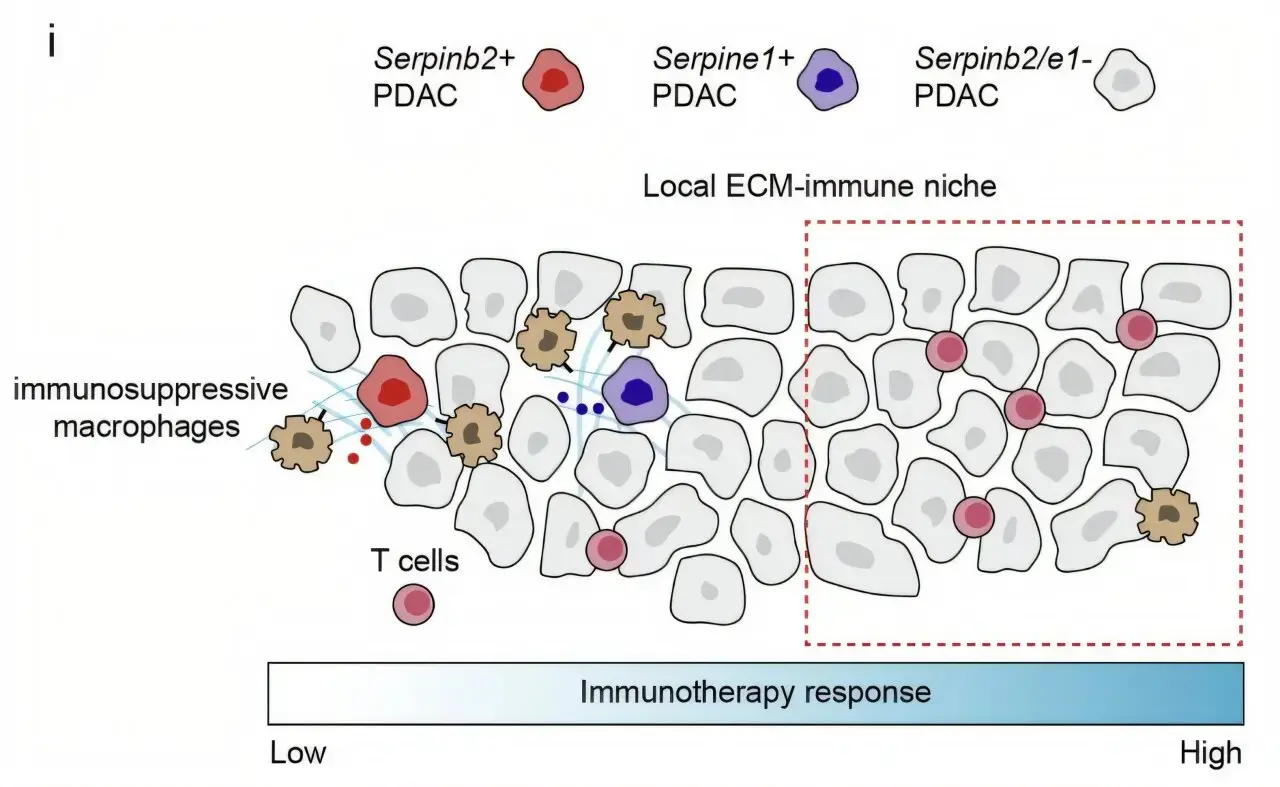 Pancreatic Cancer Hijacks Blood-Clotting System to Evade Immune Attack
 Survey Reveals Most Men Unaware Dairy May Increase Prostate Cancer Risk
Both adolescents had struggled with weight gain despite standard diabetes management. Doctors initiated treatment with GLP-1 medications, originally developed for type 2 diabetes. The goal was to address obesity and potentially improve blood sugar control. Researchers closely monitored the teens for any adverse effects.
The first patient, a 16-year-old male, saw a significant reduction in his daily insulin requirements. He lost weight over several months while on the GLP-1 medication. His A1C levels, a measure of long-term blood sugar control, also improved. Doctors adjusted his insulin dosage downwards as his body became more responsive.
Could This Be a New Approach?
The second case involved a 17-year-old female with a similar profile. She also experienced weight loss and a decrease in her total daily insulin dose. Importantly, neither teen reported any serious side effects from the medication. This suggests a potential safety profile for this treatment in this population.
Currently, there are limited effective treatments for obesity in individuals with type 1 diabetes. Standard dietary and exercise interventions often prove insufficient. These case studies offer a glimpse of a potential new strategy. Researchers emphasize the need for larger, controlled trials. They want to confirm these initial findings and establish optimal dosing.
The use of GLP-1s in type 1 diabetes is still considered off-label. This means the medication isn’t specifically approved for this condition. However, the observed benefits warrant further investigation. It could offer a way to improve metabolic health and quality of life for these patients.
Frequently Asked Questions
The long-term effects of GLP-1 use in adolescents with type 1 diabetes remain unknown. Future research will focus on sustainability of weight loss and insulin reduction. It will also assess potential risks and benefits over an extended period. This approach may become a standard part of care.
What are GLP-1 receptor agonists? These medications were initially created for type 2 diabetes. They work by mimicking a natural hormone that helps regulate blood sugar and appetite. This can lead to weight loss and improved insulin sensitivity.
Is this treatment available for all teens with type 1 diabetes? Currently, it is not a standard treatment. It’s being used in limited cases under close medical supervision. Larger studies are needed before widespread adoption.
Content written by Marcus Reid for wellness-bio-radar.com editorial team, AI-assisted.