
Night Shift Workers Face Significant Health Challenges
The Body's Battle Against the Clock
Millions of individuals working night shifts across the UK are experiencing serious health consequences. These demanding schedules disrupt natural body rhythms, leading to chronic fatigue and various health issues. The long-term effects can be severe, impacting both physical and mental well-being.
Health news
 Sleep May Be the Heart's Nightly Repair Window, Study Suggests
 APOE Genotype Influences How Well Blood Tau Protein Predicts Cognitive Decline
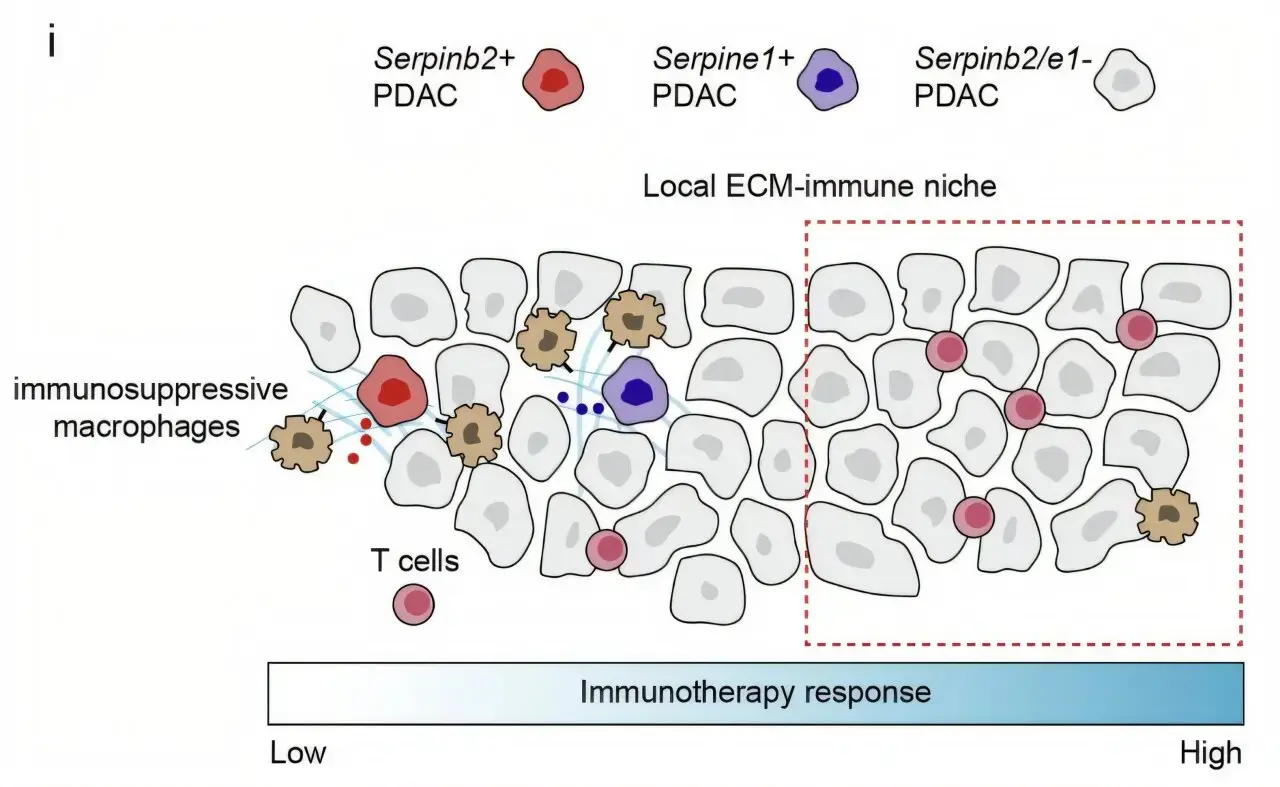 Pancreatic Cancer Hijacks Blood-Clotting System to Evade Immune Attack
 Survey Reveals Most Men Unaware Dairy May Increase Prostate Cancer Risk
A junior doctor, after a nine-hour overnight shift, exemplifies the struggle. She described muscle soreness, eye strain, and profound tiredness. Despite finishing at 6 AM, the challenge of finding restorative sleep remains.
Our bodies are naturally programmed for activity during the day and rest at night. Night work forces a complete reversal of this fundamental biological clock. This constant disruption can lead to a range of health problems.
How Can Night Shift Workers Improve Their Sleep?
Research indicates increased risks for cardiovascular disease and diabetes among night shift workers. Mental health can also suffer, with higher rates of depression and anxiety reported. The body struggles to adapt to an unnatural sleep-wake cycle.
Effective strategies are crucial for mitigating these health risks. Creating a dark, quiet, and cool sleep environment is essential. Blackout blinds and earplugs can help simulate nighttime conditions during the day.
Establishing a consistent sleep routine, even on days off, is also vital. Limiting caffeine and heavy meals before sleep can aid in falling asleep faster. Napping strategically before a shift can also help manage fatigue.
The long-term health implications of night shift work are a growing concern. Addressing these challenges requires both individual effort and supportive workplace policies. Prioritizing sleep and health is paramount for this vital workforce.
Frequently Asked Questions
What are the main health risks associated with night shifts? Night shift workers face increased risks of heart disease, diabetes, and mental health issues like depression. Their natural body clock is constantly disrupted, affecting various bodily functions.
How many people in the UK work night shifts? Over three million people in the UK are employed in roles that require night shifts. This significant portion of the workforce is particularly vulnerable to the health impacts discussed.
What is the best way to prepare for sleep after a night shift? Creating an optimal sleep environment is key. This includes ensuring the room is dark, quiet, and cool, and avoiding stimulating activities or heavy meals before attempting to sleep.
Content written by Dr. Elena Voss for wellness-bio-radar.com editorial team, AI-assisted.