
Night Owls Face Greater Health Risks, Study Finds
Late-Night Eating Habits and Food Choices
Individuals who prefer staying up late, often called „night owls,”tend to eat later in the day, consume less healthy foods, and accumulate more abdominal fat. These habits contribute to a higher risk of metabolic problems, according to recent research. The findings suggest that a late-night lifestyle may have significant negative impacts on overall health.
Health news
 Sleep May Be the Heart's Nightly Repair Window, Study Suggests
 APOE Genotype Influences How Well Blood Tau Protein Predicts Cognitive Decline
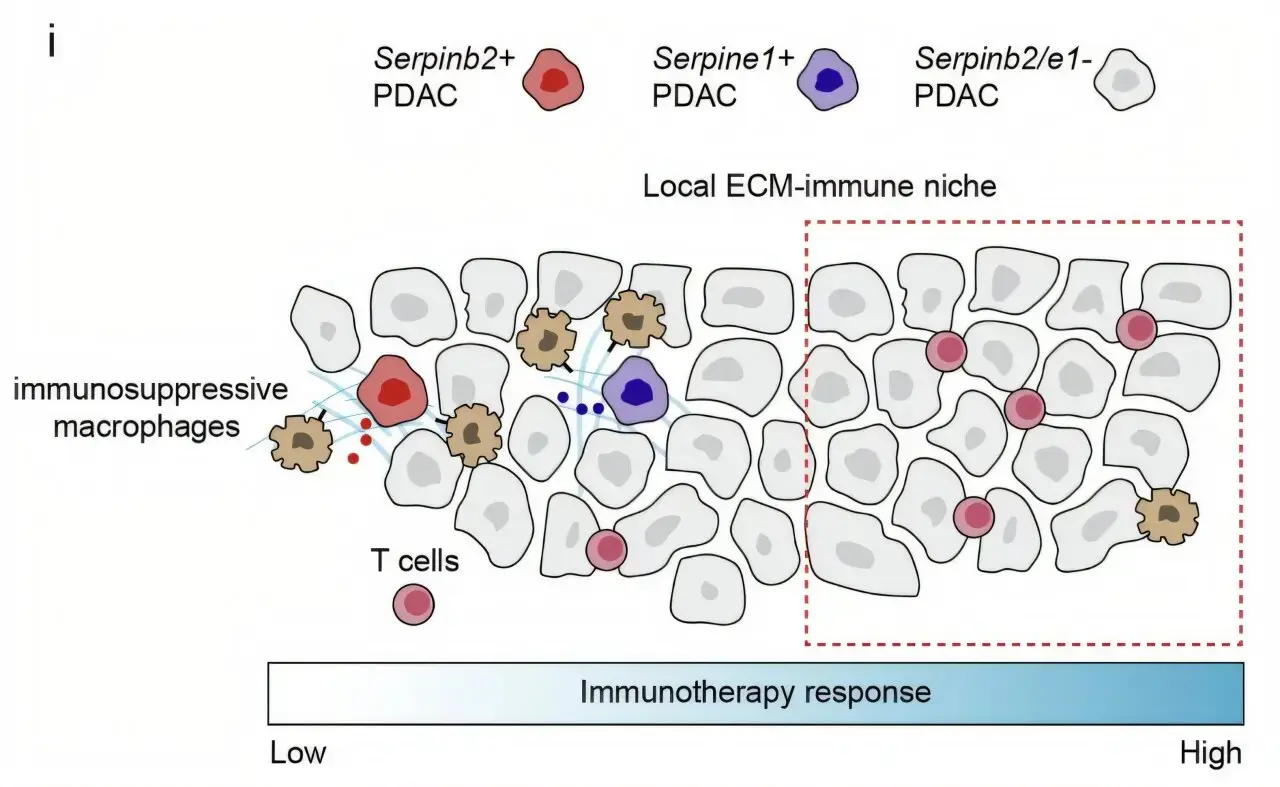 Pancreatic Cancer Hijacks Blood-Clotting System to Evade Immune Attack
 Survey Reveals Most Men Unaware Dairy May Increase Prostate Cancer Risk
This research highlights a clear link between a person's chronotype—their natural inclination to be a morning or evening person—and various health markers. For generations, the idea of early to bed, early to risehas been associated with good health, and this study provides scientific backing for that traditional wisdom.
The study observed that people with an evening chronotypeconsistently ate their meals later than those who identified as morning or intermediate types. This delayed eating pattern was often accompanied by poorer dietary choices. Night owls were more likely to consume processed foods, sugary snacks, and meals lacking essential nutrients.
Do Evening Chronotypes Carry More Belly Fat?
These dietary patterns are crucial because the body's metabolism operates on a circadian rhythm. Eating at irregular times or late at night can disrupt this natural cycle, making it harder for the body to process food efficiently. This disruption can lead to weight gain and other metabolic dysfunctions.
Yes, the study indicated that individuals who are naturally inclined to stay up late exhibited higher measures of obesity, particularly in terms of abdominal fat. This type of fat, also known as visceral fat, is especially dangerous as it surrounds vital organs and is strongly linked to an increased risk of heart disease, type 2 diabetes, and other serious health conditions.
The combination of later eating, less nutritious food choices, and increased belly fat places night owls at a significantly elevated risk for metabolic syndrome. This syndrome is a cluster of conditions that together increase the risk of heart disease, stroke, and diabetes. Understanding these risks can help individuals make more informed lifestyle choices.
Frequently Asked Questions
What is a „chronotype”? A chronotype refers to an individual's natural inclination for sleep and wake times. It determines whether someone is a „morning person”(lark), an „evening person”(owl), or somewhere in between.
How does late eating affect metabolism? Eating late can disrupt the body's natural circadian rhythm, which governs metabolic processes. This disruption can lead to less efficient processing of food, potentially contributing to weight gain and an increased risk of metabolic disorders.
What are the main health risks for night owls? Night owls face higher risks of accumulating belly fat, making less nutritious food choices, and developing metabolic problems such as type 2 diabetes and heart disease, largely due to their eating patterns and sleep schedules.
Content written by Marcus Reid for wellness-bio-radar.com editorial team, AI-assisted.