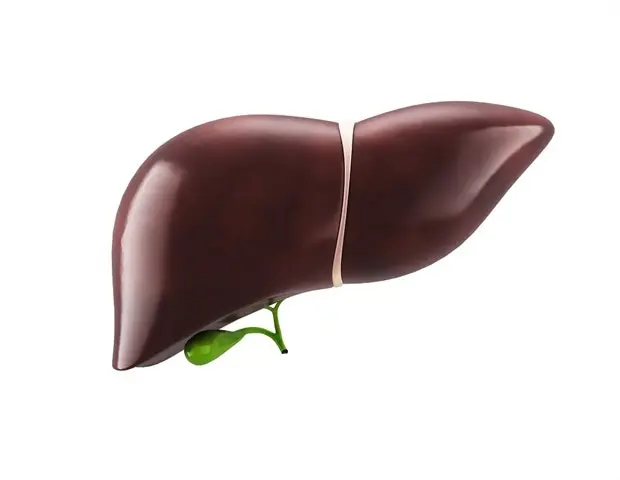
Late‑Night Snacks May Harm Liver Health, New Study Finds
Eating After Dark: How the Liver Responds
A recent investigation from Oregon Health & Science University warns that eating after dark can damage the liver. The research, released this month in the journal Clinical Gastroenterology and Hepatology, examined the relationship between nighttime eating habits and liver function in adults across the United States.
Health news
 Beacon Biosignals Buys Snap Diagnostics to Expand Home Sleep Testing Reach
 The Scientific Reality of ADHD Diagnoses
 Revitalizing Aging Mice With New Geropeptide Trials
 Decoding the Limits of Biological Age Measurement Tools
The study followed 1,200 participants for two years, recording their dietary patterns, sleep schedules, and liver enzyme levels. Researchers found that individuals who regularly consumed food within two hours of bedtime had higher levels of alanine aminotransferase (ALT) and aspartate aminotransferase (AST), markers that indicate liver inflammation. The correlation remained significant even after adjusting for body mass index, alcohol use, and exercise frequency.
When we eat, the body directs blood flow to the digestive tract, and the liver processes nutrients and detoxifies byproducts. During sleep, metabolic activity slows, and the liver’s capacity to handle excess calories diminishes. The study’s lead author, Dr. Maya Patel, explains that late‑night meals can overload the liver’s processing ability, leading to fat accumulation and inflammation. „Our data suggest that the timing of food intake is as important as what we eat,” she said. The research also highlighted that sugary snacks and high‑fat foods were particularly linked to elevated liver enzymes, whereas protein‑rich meals had a weaker association.
Can You Reverse the Damage? What to Do If You’re a Night‑Owl
The findings align with previous animal studies showing that nighttime feeding disrupts circadian rhythms and promotes fatty liver disease. In humans, the new data provide the first large‑scale evidence that the liver’s health is compromised by eating when the body is in a rest phase.
The study offers practical advice for those who struggle with late‑night cravings. Experts recommend setting a „no‑food” window of at least four hours before bedtime. If a snack is unavoidable, choosing low‑glycemic options such as nuts or a small portion of fruit may reduce liver stress. Dr. Patel emphasizes that consistent sleep patterns also help regulate the liver’s detox cycle. „Regular sleep and mindful meal timing together create a protective effect,” she noted.
Health professionals also caution that the impact of late‑night eating may be cumulative. Over time, repeated episodes of liver inflammation can progress to non‑alcoholic fatty liver disease (NAFLD), a condition that can lead to cirrhosis or liver cancer. Early intervention through dietary changes could mitigate long‑term risks.
Frequently Asked Questions
Q1: How quickly can late‑night eating affect liver enzymes? A1: The study observed significant enzyme elevations within a few months of consistent nighttime eating. However, individual responses vary based on overall diet and lifestyle.
Q2: Is it safe to skip dinner entirely to avoid late‑night snacking? A2: Skipping meals can cause other metabolic issues. It’s better to have a balanced, earlier dinner and limit snacks after 8 p.m.
Q3: Can exercise counteract the liver damage from late‑night meals? A3: Regular physical activity improves liver health, but it does not fully offset the negative effects of eating close to bedtime. Timing and quality of food remain critical.
Content written by Claire Ashworth for wellness-bio-radar.com editorial team, AI-assisted.