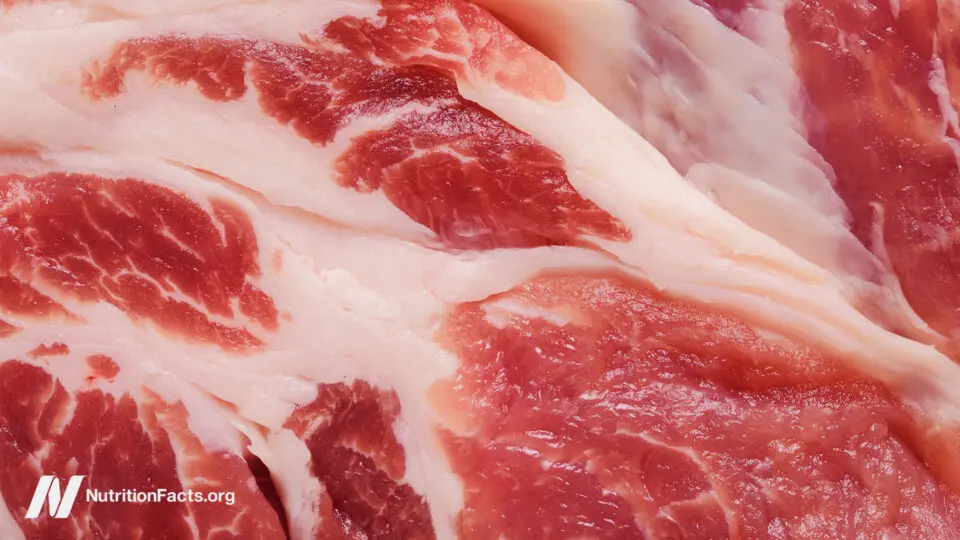
Meat Industry Study Finds High Cancer Risk
Contradicting Previous Public Health Advice
A major study funded by the global meat industry revealed that eating meat significantly raises the risk of serious health issues. The research was published in the Annals of Internal Medicine. It focused on high-quality randomized controlled trials. These rigorous studies form the gold standard for medical evidence. The findings challenged long-standing claims made by industry advocates. They suggested that previous conclusions were based on weaker data. This new analysis contradicts the public health advice many consumers have followed for years. The results highlight a stark difference between industry messaging and scientific reality.
Health news
 Oxaloacetate supplement boosts cognitive scores in breast cancer survivors
 Hyperthymesia reveals deep secrets of human memory
 Petrelintide Delivers Significant Weight Loss in Diabetes Trial
 Targeted White Light May Ease Migraine Pain
The study team carefully selected only the highest quality evidence available. They excluded observational studies that often show correlation but not causation. By doing so, they isolated the true impact of meat consumption. The data showed clear links to several chronic diseases. Specifically, the risk of developing cancer increased substantially. Heart disease rates also rose among regular meat eaters. Furthermore, the likelihood of contracting diabetes went up. Premature death was another significant outcome identified in the analysis. This comprehensive view paints a concerning picture for heavy meat consumers.
The authors noted that their findings ran directly opposite to common beliefs. For decades, the meat industry has argued that moderate consumption is safe. They often cite older studies that included lower quality data. Those earlier reports frequently downplayed the risks associated with red and processed meats. However, this new body of work strips away those confounding factors. It relies solely on robust experimental designs. The result is a sharper, more definitive warning. Experts argue that this shift changes the conversation entirely. It forces a reevaluation of dietary guidelines worldwide. The contradiction is not subtle; it is fundamental to how we understand nutrition.
Why Did the Data Flip So Dramatically?
The core issue lies in the hierarchy of evidence. Randomized trials provide the strongest proof of cause and effect. When these specific studies are grouped together, the pattern becomes undeniable. The meat industry had previously leaned on observational data. That type of research can be skewed by lifestyle habits. For example, people who eat more meat might also smoke or exercise less. By removing these variables, the new study isolates the meat itself. The conclusion is that the product carries inherent risks. This finding undermines the balanced dietnarrative often promoted by marketers. It suggests that even moderate intake may carry hidden costs over time.
The implications for global health policy are significant. Governments may need to update their nutritional recommendations. Public health campaigns could shift toward stronger warnings about meat intake. Consumers will likely face new information at grocery stores and restaurants. The industry may respond by funding further research or adjusting marketing strategies. There is no immediate ban or change in law yet. However, the scientific consensus is moving in a clear direction. Future studies will build on this foundation. The era of debating whether meat is harmful may be ending. Instead, the focus will turn to managing the known risks.
Frequently Asked Questions
Did the study prove that all meat causes cancer? The study found a significant increase in cancer risk with meat consumption. It did not claim that every single serving causes the disease. The risk rises with higher levels of intake over time.
Why were only randomized studies used? Randomized trials offer the highest level of scientific certainty. They minimize bias and confounding variables found in other research types. This method provides the most reliable evidence for causal links.
How does this change current dietary advice? It challenges the notion that moderate meat eating is harmless. Public health guidelines may need to reflect these stronger warnings. Consumers should consider reducing their overall meat intake.