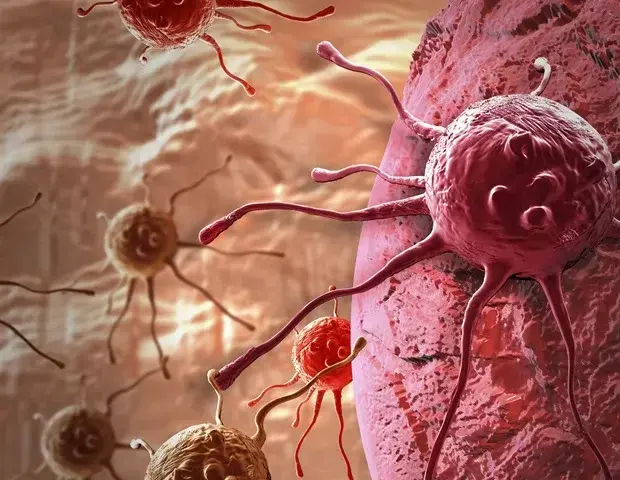
Men Face Higher Risk of Late-Stage Cancer Diagnoses
Disparities in Cancer Diagnosis Stages
In the United States, between 2015 and 2022, men were more likely than women to be diagnosed with advanced stages of various cancers.
Health news
 Sleep May Be the Heart's Nightly Repair Window, Study Suggests
 APOE Genotype Influences How Well Blood Tau Protein Predicts Cognitive Decline
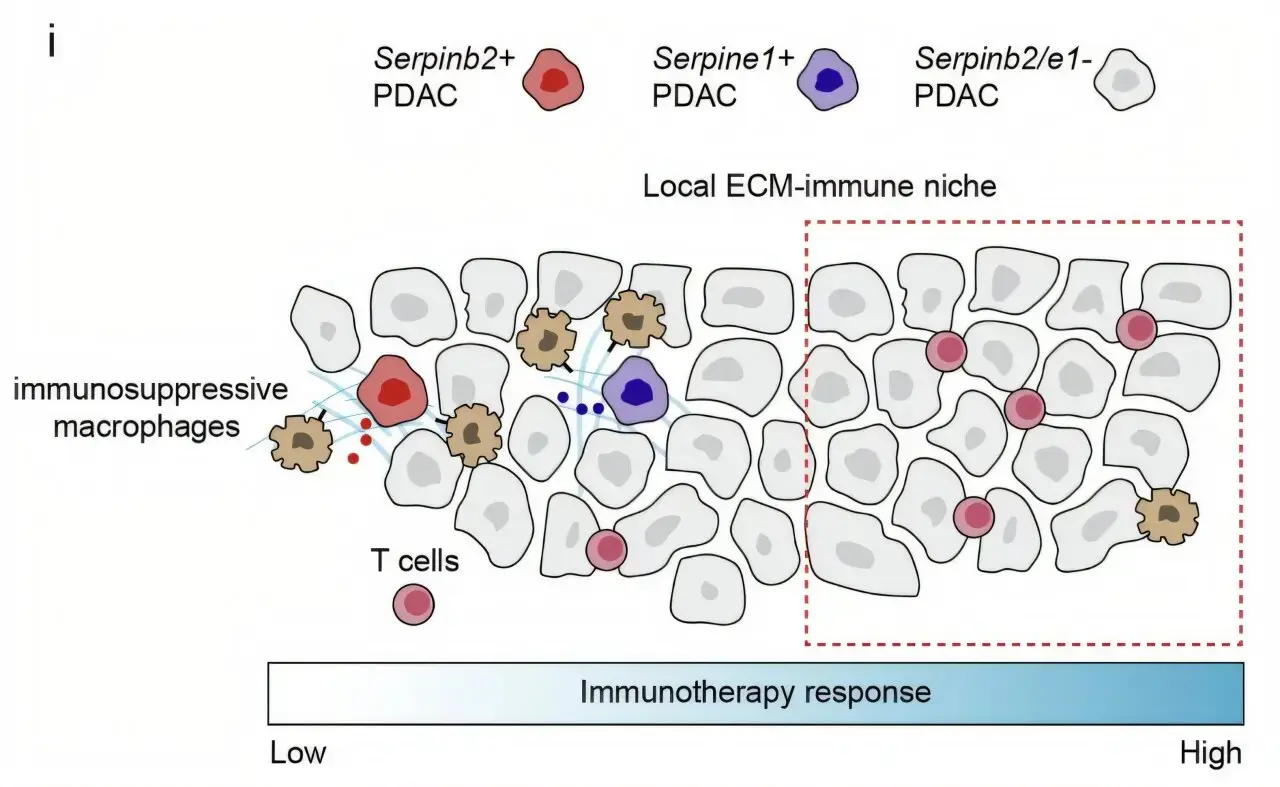 Pancreatic Cancer Hijacks Blood-Clotting System to Evade Immune Attack
 Survey Reveals Most Men Unaware Dairy May Increase Prostate Cancer Risk
The study, published in a cancer research journal, examined 20 non-reproductive solid cancer types and found a significant disparity in diagnosis stages between men and women. Researchers analyzed data from a large population to understand the trend.
Are Men Less Likely to Seek Medical Attention?
The study revealed that men were more likely to be diagnosed with regional and distant stages of cancer, indicating a more advanced disease. This disparity was observed across various cancer types, suggesting a broader issue. The exact reasons for this difference are not yet clear.
Researchers speculate that factors such as lifestyle, healthcare-seeking behavior, and biological differences may contribute to the observed disparity. For instance, men are generally less likely to seek medical attention for symptoms, potentially leading to delayed diagnoses.
The study's findings highlight the need for increased awareness and education about cancer symptoms and the importance of early detection. By understanding the underlying causes of the disparity, healthcare providers can develop targeted strategies to improve cancer outcomes for men.
Frequently Asked Questions
The consequences of late-stage cancer diagnoses are severe, with lower survival rates and more complex treatment options. As the cancer research community continues to investigate the causes of this disparity, it is essential to develop effective interventions to address the issue.
What types of cancer were included in the study? The study examined 20 non-reproductive solid cancer types. Why are men more likely to be diagnosed with advanced cancer? The exact reasons are unclear, but lifestyle and healthcare-seeking behavior may play a role. What are the implications of the study's findings? The study highlights the need for increased awareness and education about cancer symptoms and early detection.
Content written by Claire Ashworth for wellness-bio-radar.com editorial team, AI-assisted.