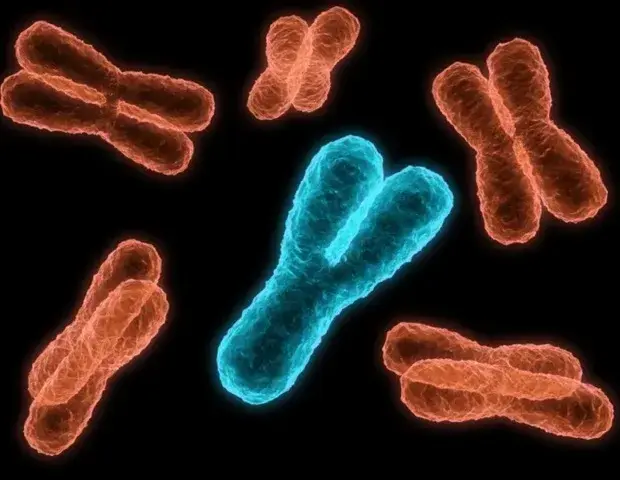
Loss of Y Chromosome May Unlock Hidden Cancer Risk in Men, Study Finds
How Y‑Chromosome Depletion Undermines Cellular Defense
A team led by Dr. Dan Theodorescu at the University of Arizona Cancer Center has identified a link between the disappearance of the Y chromosome in male tissues and the emergence of cancer. The findings, published in JCI Insights, stem from analyses of patient samples and laboratory models collected over the past five years. The research highlights a genetic vulnerability that could affect millions of men worldwide.
Health news
 Oxaloacetate supplement boosts cognitive scores in breast cancer survivors
 Hyperthymesia reveals deep secrets of human memory
 Petrelintide Delivers Significant Weight Loss in Diabetes Trial
 Targeted White Light May Ease Migraine Pain
The investigators discovered that cells lacking the Y chromosome exhibit disrupted DNA‑repair pathways and altered gene expression, creating an environment conducive to tumor growth. By comparing tissue from men with and without Y‑chromosome loss, the scientists observed a higher incidence of malignancies in the former group. Laboratory experiments confirmed that reintroducing key Y‑linked genes reduced cancer‑cell proliferation, suggesting a direct protective role for the chromosome. The study also notes that age‑related loss of the Y chromosome, a phenomenon previously considered benign, may in fact be a silent driver of oncogenesis.
The research team used advanced sequencing techniques to map genetic changes in cells that had shed the Y chromosome. They found that loss of the chromosome coincided with down‑regulation of several tumor‑suppressor genes located on the Y, including UTY and KDM5D. These genes normally help regulate cell cycle checkpoints and DNA repair. Without them, cells accumulate mutations more rapidly. „Our data indicate that the Y chromosome is not just a passenger in male biology; it actively safeguards against malignant transformation,” Dr. Theodorescu explained. The study also revealed that men over 60 showed the highest rates of Y‑chromosome loss, aligning with epidemiological data that cancer risk rises with age.
Could Screening for Y‑Chromosome Loss Predict Cancer Risk?
The authors propose that testing for Y‑chromosome loss in blood or tissue samples could become a valuable tool for early cancer detection in men. Current screening methods focus on organ‑specific markers, but a systemic genetic indicator might flag risk before tumors become visible. „If we can identify men with significant Y‑chromosome loss, we could monitor them more closely and intervene earlier,” said co‑author Dr. Maria Gonzalez. The researchers caution that further clinical trials are needed to validate the approach and to determine whether therapeutic strategies aimed at restoring Y‑linked gene function are feasible.
The discovery reshapes understanding of sex‑specific cancer biology and opens avenues for personalized medicine. As scientists explore ways to counteract the effects of Y‑chromosome loss, men may soon benefit from novel diagnostics and targeted therapies that address this hidden vulnerability.
Frequently Asked Questions
What is Y‑chromosome loss and how common is it? Y‑chromosome loss refers to the disappearance of the Y chromosome from a cell’s genome, often occurring in blood cells of older men. Studies estimate that up to 15 % of men over 70 exhibit this loss.
Does Y‑chromosome loss guarantee cancer development? No. While loss increases susceptibility by weakening DNA‑repair mechanisms, additional genetic and environmental factors are required for cancer to form.
Can the loss be reversed or prevented? Current research is exploring gene‑therapy techniques to restore Y‑linked tumor suppressors, but no approved treatments exist yet. Lifestyle factors that reduce overall DNA damage may help mitigate risk.