
Post‑Marketing Data Reveal Higher Venous Clot Risk for Baricitinib, Prompting Label Review
Why the VTE Signal Matters for Rheumatology Patients
London, June 7 2026 – New post‑marketing analyses have identified a modest increase in venous thromboembolism (VTE) among patients taking baricitinib (Olumiant). The findings compare unfavorably with outcomes for tumor‑necrosis‑factor (TNF) inhibitor users. Regulators are now likely to upgrade the drug’s safety label, although absolute clot rates remain low.
Health news
 Voice Recording Predicts Age, Reveals New Biological Clock
 Popular Zero-Calorie Sweeteners May Pass Effects to Future Generations
 Movement Patterns Linked to Longevity
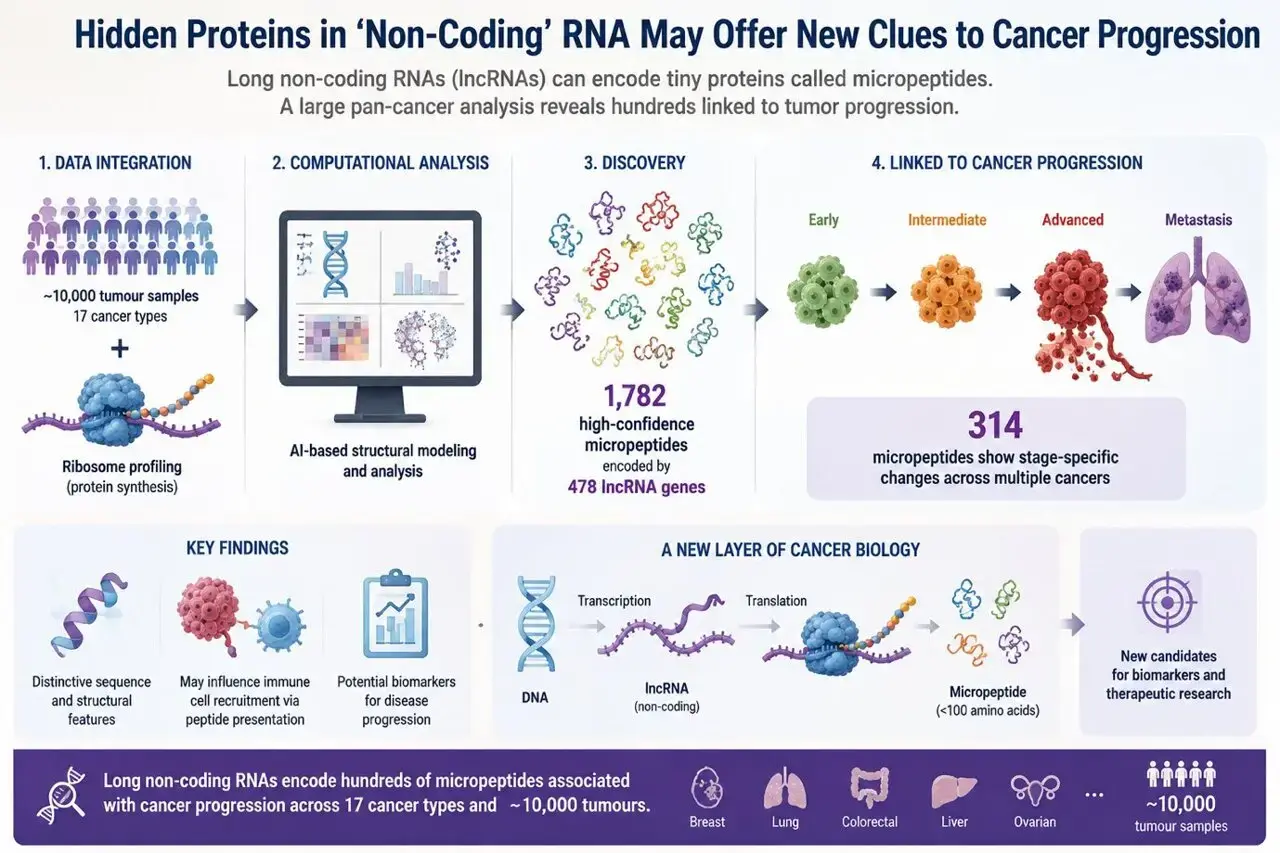 Hidden Proteins In Non-Coding RNA May Explain Cancer Spread
The studies pooled real‑world data from several European registries and examined VTE incidence in rheumatoid‑arthritis patients on baricitinib versus those on TNF blockers. Researchers reported a 1.6‑fold higher relative risk for baricitinib, translating to roughly three additional events per 1,000 patient‑years. The signal emerged despite rigorous adjustment for age, disease severity, and concurrent anticoagulant use, suggesting a drug‑related contribution. Baricitinib’s mechanism—JAK inhibition—has been linked to altered platelet function and endothelial activation, providing a plausible biological basis for clot formation.
Clinicians treat rheumatoid arthritis with a balance of efficacy and safety. „Even a small rise in clot risk can be decisive for patients with prior thrombosis or cardiovascular disease,” said Dr. Elena Martínez, a rheumatology professor at the University of Madrid. The data do not overturn baricitinib’s proven benefits in reducing joint inflammation, but they add a layer of caution for high‑risk groups. Physicians are urged to screen for VTE risk factors before initiating therapy and to consider alternative agents when appropriate. Ongoing pharmacovigilance will monitor whether the observed excess persists as more patients are exposed to the drug.
Will the Label Change Affect Prescribing Practices?
Regulatory agencies are expected to issue a revised warning that highlights the VTE association and advises clinicians to assess patient history carefully. „Label updates are a signal, not a ban,” noted Sarah Liu, a senior analyst at a European health‑policy think‑tank. The amendment may prompt rheumatologists to favor TNF inhibitors for patients with known clotting disorders, while still offering baricitinib to those without such risk factors. Insurance formularies could also react, potentially influencing drug accessibility. Nevertheless, experts agree that the overall rarity of events means baricitinib will remain a viable option for many sufferers.
The heightened scrutiny underscores the importance of post‑marketing surveillance in uncovering safety signals that clinical trials may miss. As the label evolves, physicians must stay informed and tailor treatment plans to each patient’s risk profile. Ongoing studies aim to clarify the mechanisms behind JAK‑inhibitor‑related thrombosis, which could lead to mitigation strategies or new therapeutic choices.
Frequently Asked Questions
What is the absolute increase in VTE risk for baricitinib users? The updated analyses suggest about three extra clot events per 1,000 patient‑years compared with TNF inhibitor therapy.
Should patients currently on baricitinib stop their medication? No immediate discontinuation is advised. Patients should discuss their individual risk factors with their doctor, who may adjust monitoring or consider alternatives.
How will the label change impact future research? The warning will likely steer investigators toward deeper exploration of JAK‑inhibitor safety, encouraging trials that stratify participants by clotting risk.
Content written by Dr. Elena Voss for wellness-bio-radar.com editorial team, AI-assisted.