CAR-T Cell Therapy Shows Promising Results for Stiff Person Syndrome
Groundbreaking Progress and Future Outlook
Medical specialists have observed remarkable progress in several participants. Standard treatments currently available can reduce symptom severity, but patients rarely regain their previous functional capacity. These initial signals provide strong reasons for optimism. However, the primary unknown remains the long-term persistence of these benefits, according to Dr. Anastasia Zekeridou, a neurologist and researcher at the prestigious Mayo Clinic in Rochester.
Health news
 Exercise and Mood: Italian Study Links Physical Activity to Lower Depression Symptoms
 Screen Time in Childhood Linked to Unexpected Cognitive Boost in Teens, 8‑Year Study Shows
 Workplace stress and anxiety are taking a heavy toll on employees, with one in three workers reporting that the strain is not easing
 Daily Food Habit Tied to Lower Risk of Anxiety and Depression
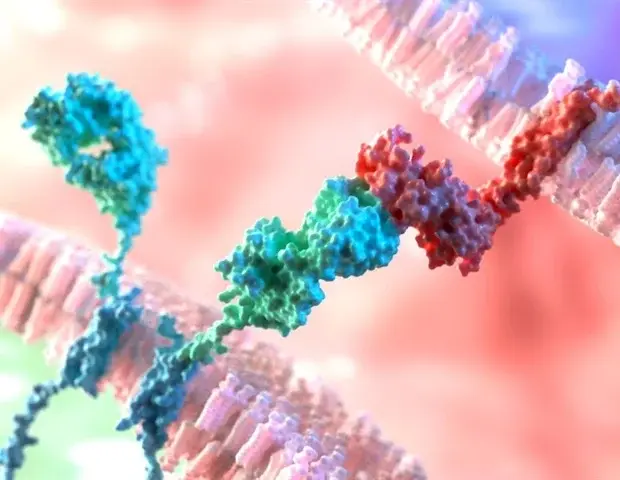
The CAR-T mechanism involves genetically modifying the patient’s own T lymphocytes so they target the specific cells driving the pathology. Volunteers enrolled in this project received a single administration designed to reset the immune system and alleviate severe clinical manifestations that severely compromise daily autonomy. The syndrome causes intense muscle stiffness and painful spastic crises, turning ordinary activities like walking, driving, working, or socializing into major challenges. The Mayo Clinic first documented this medical condition back in 1956.
Real-Life Transformations for Patients
For two patients involved in the trial, the therapy's success meant reclaiming aspects of life that the illness had stolen. Shari St. Germain began experiencing severe lower limb spasms and mobility issues in 2021. As her condition deteriorated, unexpected noises triggered violent muscle contractions and loss of balance. By 2024, standard therapeutic protocols had completely failed.
Just months after receiving the CAR-T cell infusion, she noticed the first signs of recovery. Once accustomed to walking seven miles every day, she achieved a major milestone by successfully returning to the treadmill.
Another participant, Jonathan Walden, had reached a stage where walking and basic actions required constant assistance from relatives. Following the intervention, he successfully returned to work and resumed hobbies like hunting and fishing. „I go to work every day, I do everything I used to do, I am hunting and fishing again,”Jonathan stated, adding that he has not suffered a single crisis since receiving the treatment.
Broader Implications for Neurology
These remarkable outcomes in stiff person syndrome open up massive perspectives. The benefits extend beyond directly affected patients to other immune-mediated neurological pathologies where current options remain extremely limited. Although many questions remain, a highly promising path is emerging for this medical field, noted Dr. Sean Pittock, chair of the Department of Neurology at the Mayo Clinic in Rochester. He recalled that this method has already reshaped the management of certain cancers and is now proving its potential in autoimmune neurological disorders.
The medical unit in Rochester served as one of the three core trial sites. It played an essential role by recruiting patients, providing scientific coordination, and contributing to the publication coordinated by A. L. Piquet and collaborators in JAMA Neurology in 2026. The study was published under the title „Mivocabtagene Autoleucel CD19 Chimeric Antigen Receptor T-Cell Therapy in Stiff Person Syndrome: A Nonrandomized Clinical Trial.”