Chemotherapy Leaves Lasting DNA Marks on Childhood Tumors
DNA Fingerprints: A Chemotherapy Legacy
Researchers at The Hospital for Sick Children led an international study analyzing DNA changes in childhood tumors after chemotherapy. The study examined tumors from children treated with common chemotherapy types. Nearly half showed detectable DNA changes within 18 months.
Health news
 Sleep May Be the Heart's Nightly Repair Window, Study Suggests
 APOE Genotype Influences How Well Blood Tau Protein Predicts Cognitive Decline
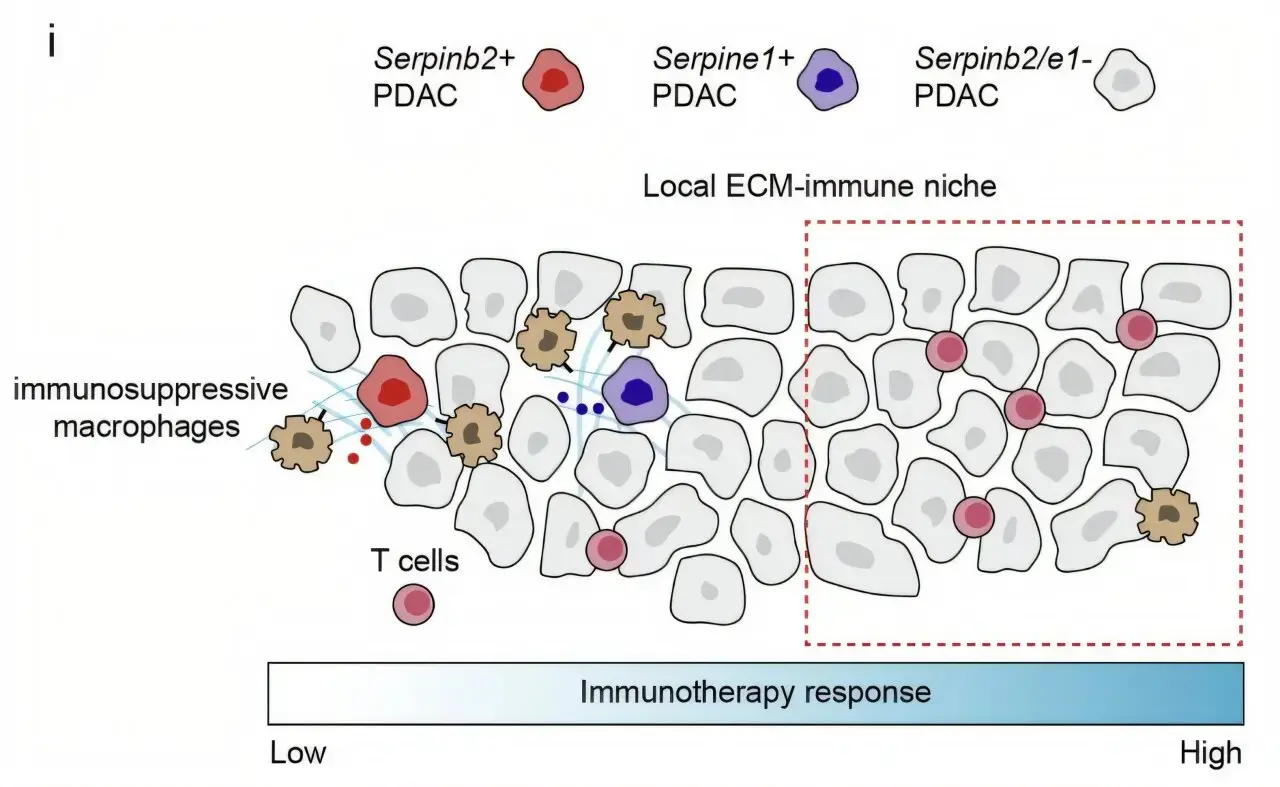 Pancreatic Cancer Hijacks Blood-Clotting System to Evade Immune Attack
 Survey Reveals Most Men Unaware Dairy May Increase Prostate Cancer Risk
Chemotherapy is a standard treatment for various childhood cancers. Understanding its effects on tumor DNA is crucial for developing targeted therapies. The study's findings provide insight into how chemotherapy alters tumor DNA.
Detectable DNA changes were found in 45% of the tumors analyzed. These changes were linked to the type of chemotherapy used. Researchers identified specific DNA patterns associated with different chemotherapy agents. „These DNA fingerprints can help us understand how tumors respond to treatment,”said the study's lead researcher.
Can We Predict Treatment Outcomes?
The study analyzed DNA samples from over 200 childhood tumors. The samples were taken before and after chemotherapy treatment. Researchers used advanced sequencing techniques to identify DNA changes.
The study's findings have significant implications for cancer treatment. Understanding how chemotherapy affects tumor DNA can help predict treatment outcomes. Researchers hope to use this information to develop more effective, personalized therapies.
The discovery of chemotherapy-induced DNA changes in childhood tumors opens new avenues for cancer research. As researchers continue to study these changes, they may uncover new ways to improve treatment outcomes for children with cancer.
Frequently Asked Questions
What percentage of childhood tumors showed detectable DNA changes after chemotherapy? Nearly 45% of tumors analyzed showed DNA changes linked to chemotherapy. These changes were identified within 18 months of treatment.
How were the DNA changes detected? Researchers used advanced DNA sequencing techniques to identify changes in tumor DNA.
What are the implications of these findings for cancer treatment? The study's findings may lead to more effective, personalized therapies for children with cancer.
Content written by Dr. Elena Voss for wellness-bio-radar.com editorial team, AI-assisted.