
EGFR Inhibitors Boost Glioblastoma Chemotherapy Response
How Do EGFR Inhibitors Help?
A new study suggests a promising approach for glioblastoma treatment. Researchers found that a specific drug class, EGFR inhibitors, made this aggressive brain cancer more vulnerable to chemotherapy. This discovery could offer a new strategy for patients battling this difficult disease.
Health news
 Sleep May Be the Heart's Nightly Repair Window, Study Suggests
 APOE Genotype Influences How Well Blood Tau Protein Predicts Cognitive Decline
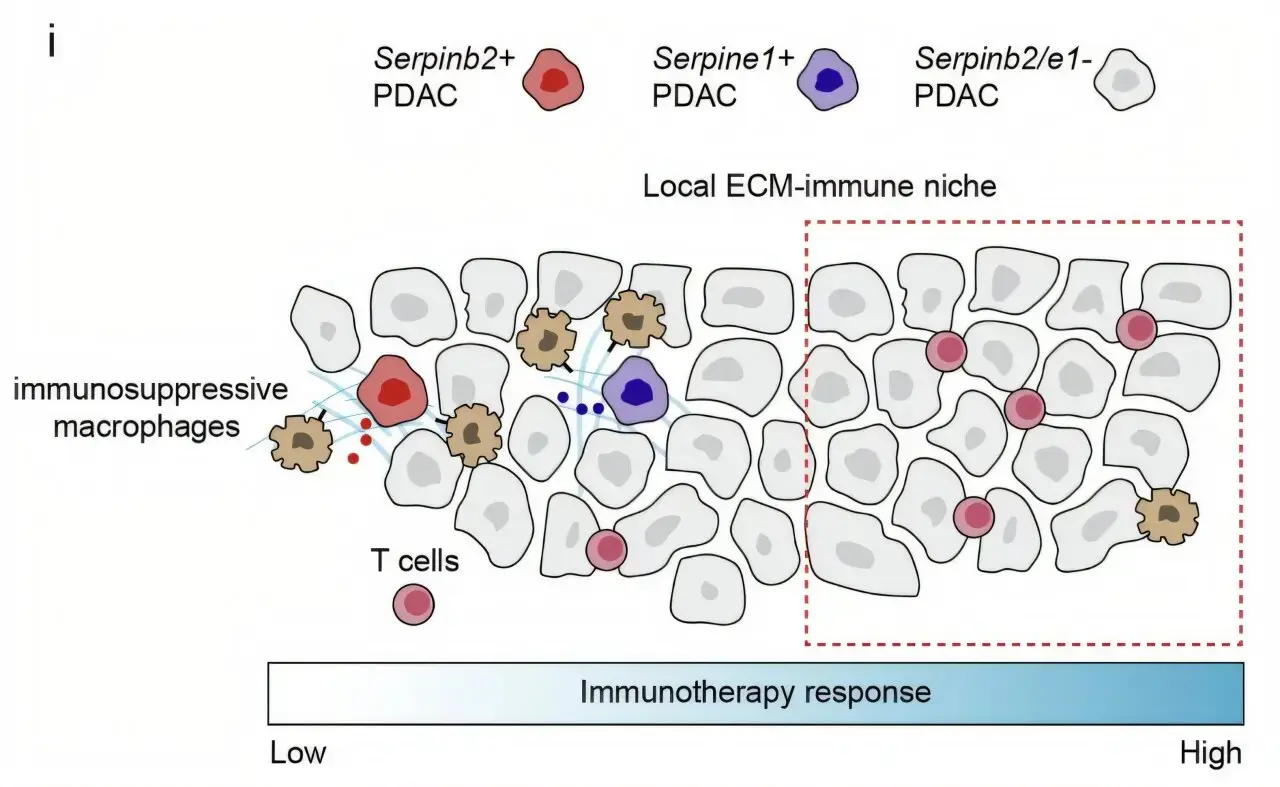 Pancreatic Cancer Hijacks Blood-Clotting System to Evade Immune Attack
 Survey Reveals Most Men Unaware Dairy May Increase Prostate Cancer Risk
The findings, published in Science Translational Medicine , represent a significant step forward. Glioblastoma is notoriously resistant to current therapies. This resistance often leads to poor patient outcomes.
What Does This Mean for Patients?
The research, conducted in preclinical models, showed a clear mechanism. EGFR inhibitors appear to disrupt certain cellular pathways within the tumor. This disruption then makes the cancer cells less able to withstand chemotherapy. Essentially, the inhibitors prime the tumor for a more effective attack.
Scientists from UT Southwestern Medical Center and the University of Alabama at Birmingham co-led the investigation. Their collaborative efforts were crucial to uncovering this interaction. The study focused on understanding the molecular changes that occur when these drugs are combined.
# What is glioblastoma?
This research offers a potential pathway to overcome a major hurdle in glioblastoma therapy. If these results translate to human trials, it could significantly improve treatment efficacy. Patients currently face limited options and often experience recurrence.
# How do EGFR inhibitors work?
The ability to make tumors more sensitive to existing chemotherapy is a valuable advancement. It could lead to better control of the disease and potentially extend survival. Further clinical trials will be necessary to confirm these benefits in humans.
Glioblastoma is a very aggressive type of cancer that starts in the brain. It is known for being difficult to treat and often resistant to standard therapies. New treatment approaches are urgently needed for this disease.
# What was the key finding of this study?
EGFR inhibitors are a class of drugs that block the activity of a protein called epidermal growth factor receptor (EGFR). This protein is often overactive in cancer cells, promoting their growth and survival. By blocking it, the drugs can slow tumor progression.
The study found that using EGFR inhibitors made glioblastoma cells more susceptible to chemotherapy. This suggests that combining these two types of treatments could be more effective than using chemotherapy alone. It offers a new strategy to combat drug resistance.
Content written by Marcus Reid for wellness-bio-radar.com editorial team, AI-assisted.