Gentle Peanut Immunotherapy Transforms Toddlers' Lives
Desensitization Success
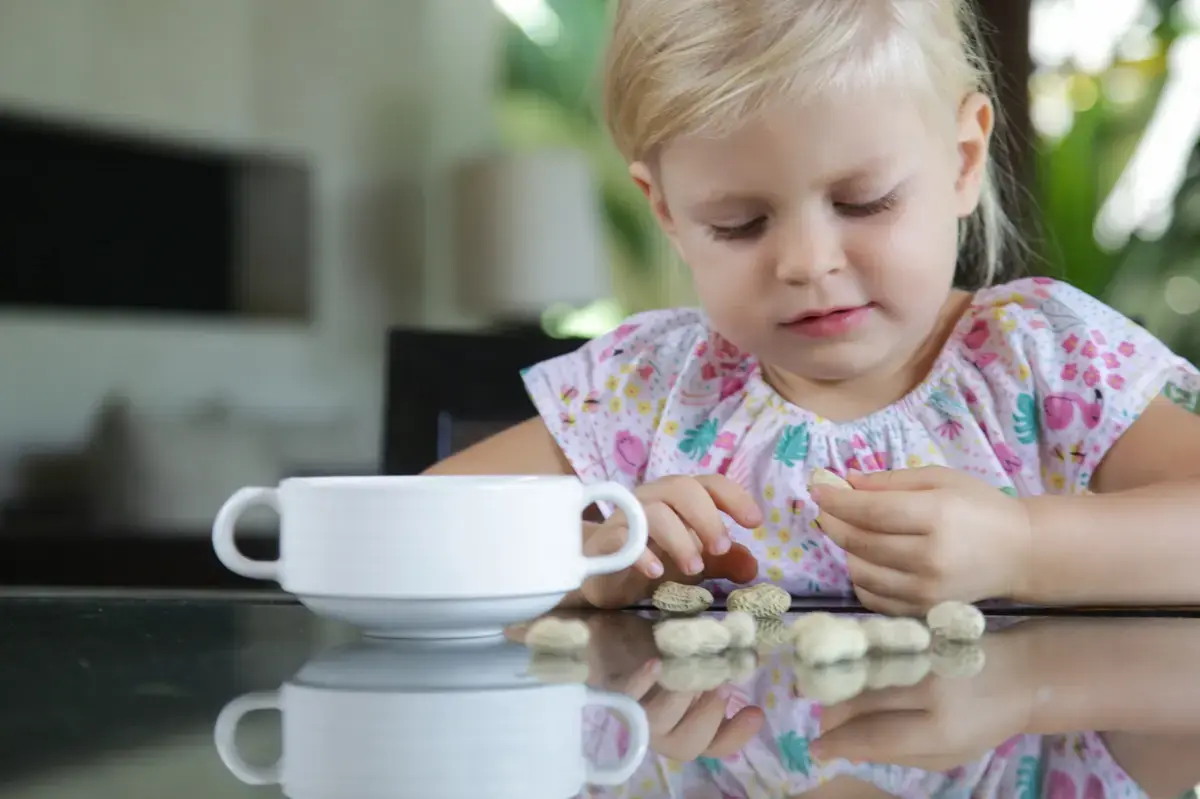
A three-year Swedish trial involving preschoolers with peanut allergies has yielded groundbreaking results. The study, completed in 2026, tested a novel approach to immunotherapy. Researchers found that a slow and gentle method can desensitize young children to peanuts.
Health news
 Whey Protein Hydrolysate Rich in Tryptophan Peptides Reduces Anxiety and Improves Sleep
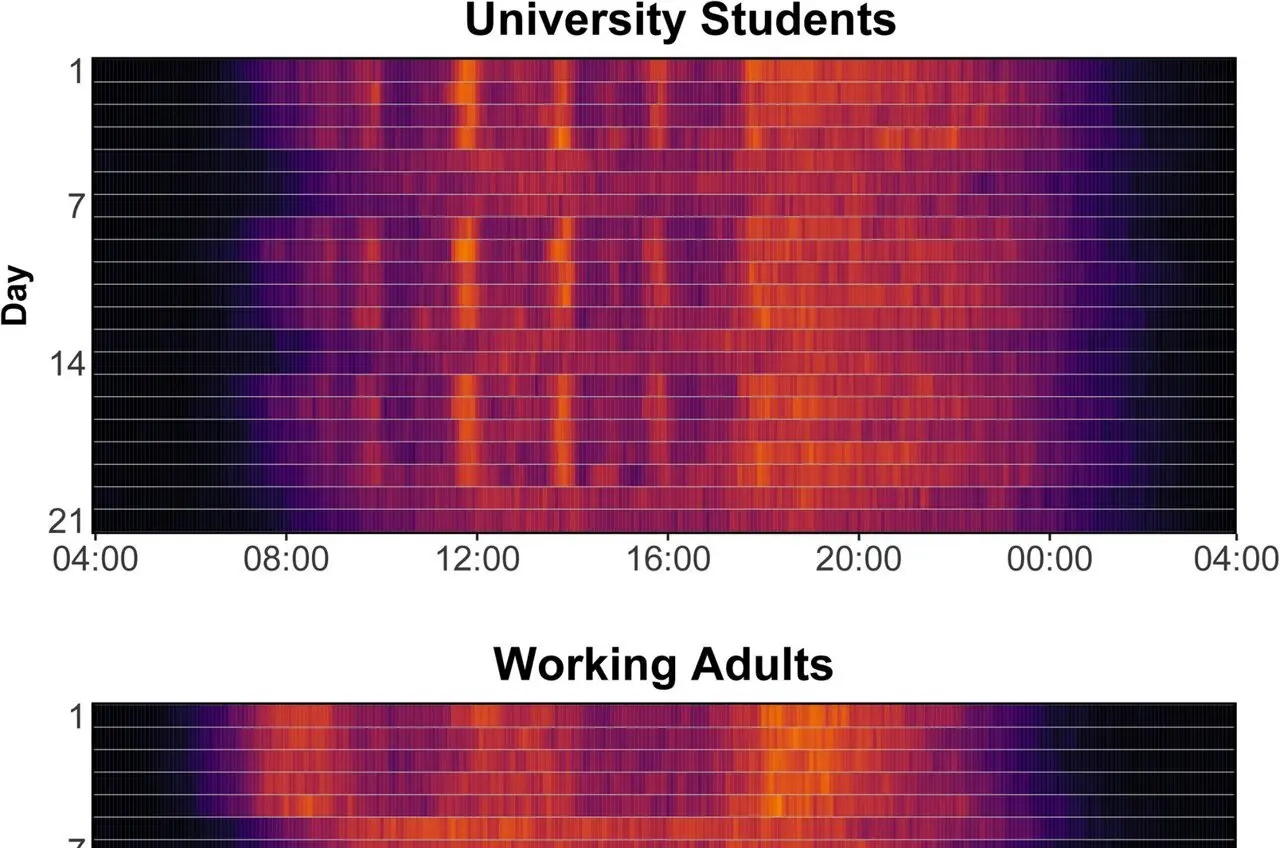 Students Lagg Behind Seniors in Physical Activity, Study Shows
 Sleep May Be the Heart's Nightly Repair Window, Study Suggests
 APOE Genotype Influences How Well Blood Tau Protein Predicts Cognitive Decline
The trial focused on a low-dose oral immunotherapy, gradually increasing the amount of peanuts consumed by the children. This approach aimed to reduce the risk of severe reactions. By adopting a slower up-dosing schedule, the researchers hoped to improve the treatment's safety and efficacy.
The trial's findings were remarkable: 82% of the participating preschoolers were successfully desensitized to peanuts. They could tolerate the equivalent of 70 peanuts without experiencing severe reactions. This achievement significantly reduces the risk of life-threatening allergic responses.
Can This Approach Be the New Standard?
The study's results demonstrate that a low-maintenance dose can be effective in achieving desensitization. The slow and steady approach proved to be a winning strategy, allowing the children's immune systems to adapt to peanuts.
The success of this trial raises questions about the potential for widespread adoption of this gentle immunotherapy method. As researchers continue to analyze the data, the implications for treating peanut allergies in young children are significant. A safer and more effective treatment could become the new standard of care.
The consequences of this breakthrough are far-reaching. With a reliable and gentle treatment available, families with peanut-allergic children may soon have a viable option to reduce the risk of severe reactions. As the medical community considers the findings, the outlook for these children is becoming brighter.
Frequently Asked Questions
Q: What percentage of preschoolers were desensitized to peanuts in the trial? A: 82% of the participating children were successfully desensitized. They could tolerate a significant amount of peanuts without severe reactions.
Q: How did the trial achieve desensitization? A: The study used a low-dose oral immunotherapy with a slow up-dosing schedule, gradually increasing the amount of peanuts consumed.
Q: What are the implications of this trial's findings? A: The results suggest that a gentle and effective treatment for peanut allergies in young children may become a new standard of care.
Content written by Dr. Elena Voss for wellness-bio-radar.com editorial team, AI-assisted.