Nerve Signals Block Cancer Immunotherapy
The Neuroimmune Connection
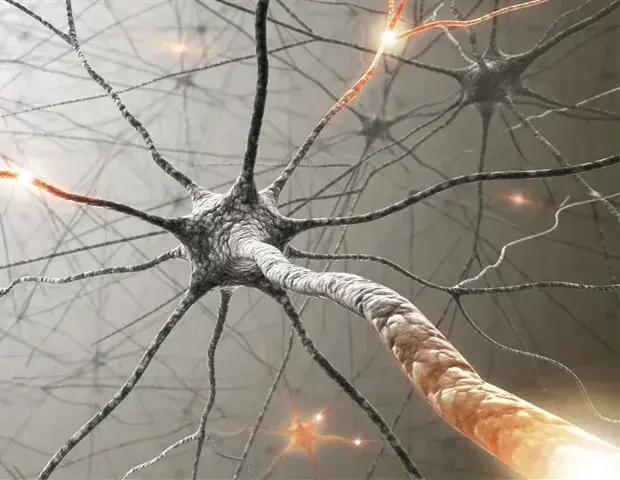
Researchers at the Francis Crick Institute discovered that sensory nerve signals hinder the immune system's response to lung cancer on May 19. This breakthrough finding sheds new light on a previously unknown link between the nervous and immune systems.
Health news
 Sleep May Be the Heart's Nightly Repair Window, Study Suggests
 APOE Genotype Influences How Well Blood Tau Protein Predicts Cognitive Decline
 Pancreatic Cancer Hijacks Blood-Clotting System to Evade Immune Attack
 Survey Reveals Most Men Unaware Dairy May Increase Prostate Cancer Risk
The study, published in Cell, investigated how sensory nerve signals affect the body's response to lung cancer. Scientists found that these signals interfere with the immune system's ability to fight cancer.
Can Nerve Signals be Targeted to Improve Treatment?
The researchers observed that sensory nerve signals suppress the activity of immune cells, making it harder for the body to combat cancer. This newly identified connection between the nervous and immune systems could be crucial in understanding why some patients don't respond to immunotherapy.
The team used various techniques to study the role of sensory nerve signals in lung cancer. They found that blocking these signals improved the effectiveness of immunotherapy in mice. This suggests that targeting sensory nerve signals could be a potential strategy to enhance cancer treatment.
By understanding how sensory nerve signals interact with the immune system, scientists may be able to develop new therapies that combine immunotherapy with neuro-targeting approaches. This could lead to more effective treatments for lung cancer patients.
Frequently Asked Questions
The discovery of the neuroimmune connection in lung cancer has significant implications for the development of future cancer therapies. As researchers continue to explore this new area, they may uncover new ways to improve treatment outcomes for patients.
What is the neuroimmune connection? The neuroimmune connection refers to the interaction between the nervous and immune systems, which can impact the body's response to cancer. How do sensory nerve signals affect immunotherapy? Sensory nerve signals can suppress the activity of immune cells, making immunotherapy less effective. Can targeting sensory nerve signals improve cancer treatment? Yes, blocking sensory nerve signals has been shown to improve the effectiveness of immunotherapy in mice, suggesting a potential new strategy for cancer treatment.
Content written by Marcus Reid for wellness-bio-radar.com editorial team, AI-assisted.