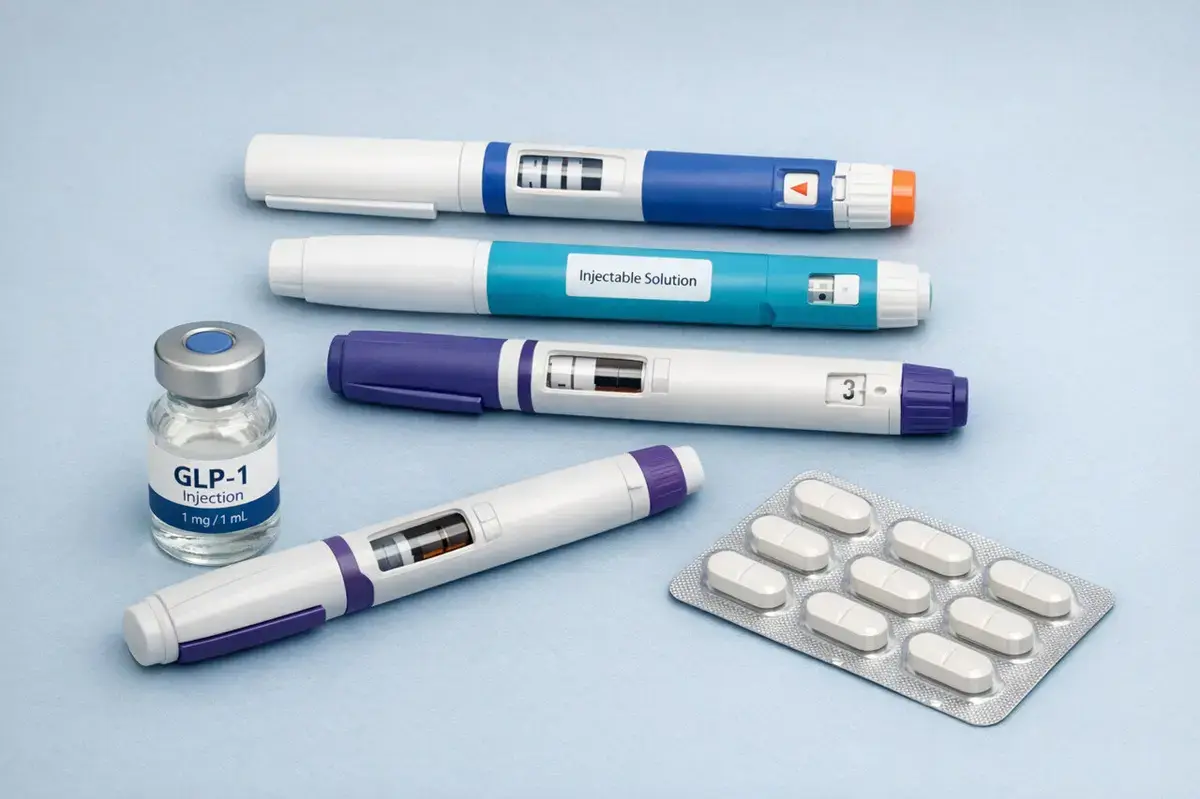
GLP-1 Drugs May Ease Depression via Microbiome
Gut Microbiome: The Missing Link?
Researchers have found that GLP-1 receptor agonists, used to treat diabetes and obesity, may also alleviate depression. A recent mouse study suggests this mental health benefit is linked to changes in the gut microbiome. The research was conducted on mice with a condition mimicking human depression.
Health news
 Sleep May Be the Heart's Nightly Repair Window, Study Suggests
 APOE Genotype Influences How Well Blood Tau Protein Predicts Cognitive Decline
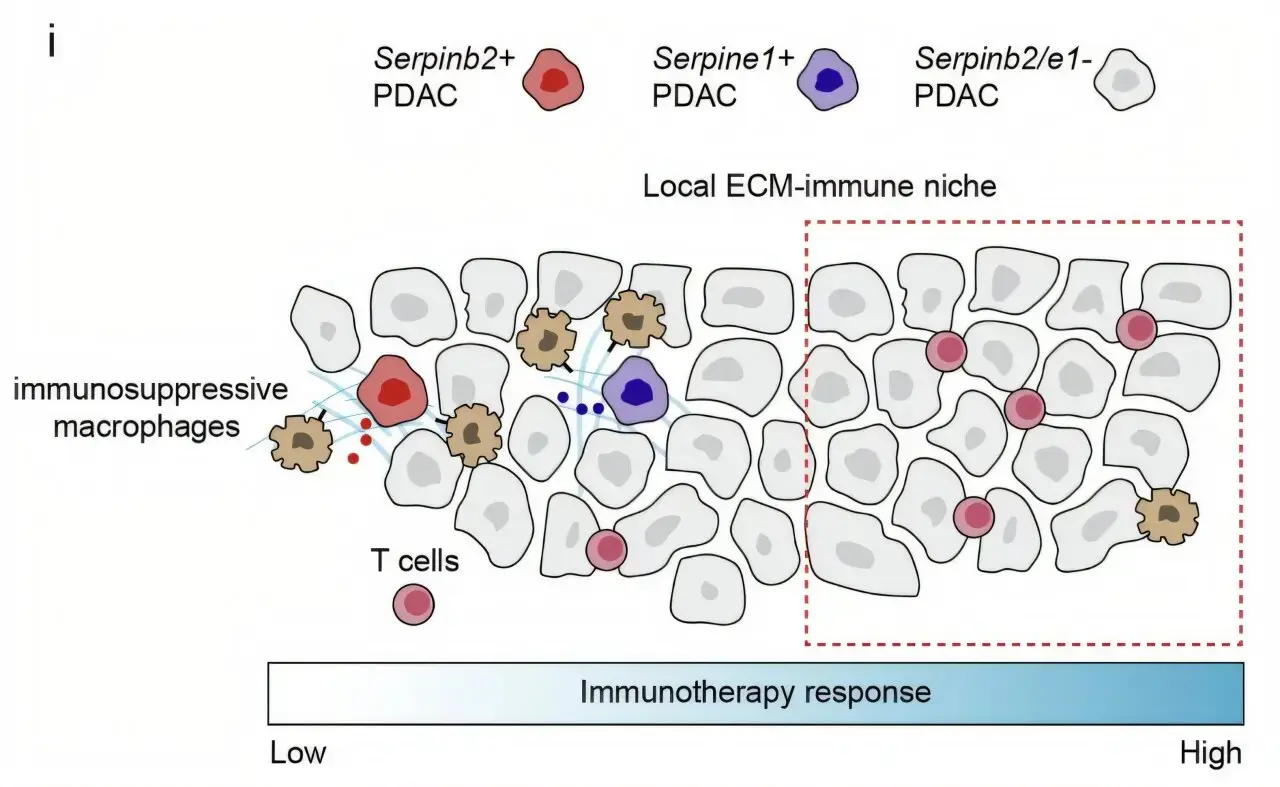 Pancreatic Cancer Hijacks Blood-Clotting System to Evade Immune Attack
 Survey Reveals Most Men Unaware Dairy May Increase Prostate Cancer Risk
The study's findings indicate that GLP-1 drugs, which are known to regulate blood sugar and appetite, may have a positive effect on mental health. This is significant because depression is a common comorbidity with diabetes and obesity. The researchers observed that the GLP-1 receptor agonist treatment altered the composition of the gut microbiome in the mice.
Can GLP-1 Drugs Be a New Treatment Avenue for Depression?
The study's authors propose that the changes in the gut microbiome may be responsible for the observed antidepressant-like effects. They found that the treatment increased the abundance of certain beneficial bacteria, which are known to produce neurotransmitters and hormones that influence mood.
The researchers used a combination of behavioral tests and microbiome analysis to investigate the effects of GLP-1 receptor agonist treatment on the mice. The results showed that the treatment not only improved the mice's depressive-like behaviors but also altered the gut microbiome composition.
Frequently Asked Questions
The findings of this study have implications for the treatment of depression in humans. If the results can be translated to humans, GLP-1 receptor agonists may offer a new therapeutic approach for depression, particularly for patients with comorbid diabetes or obesity.
The study's results suggest that further research is needed to fully understand the relationship between GLP-1 receptor agonists, the gut microbiome, and depression. As the prevalence of depression continues to rise, exploring new treatment options is crucial.
Content written by Marcus Reid for wellness-bio-radar.com editorial team, AI-assisted.