New Moms Face More Than Baby Blues
Beyond the Baby Blues
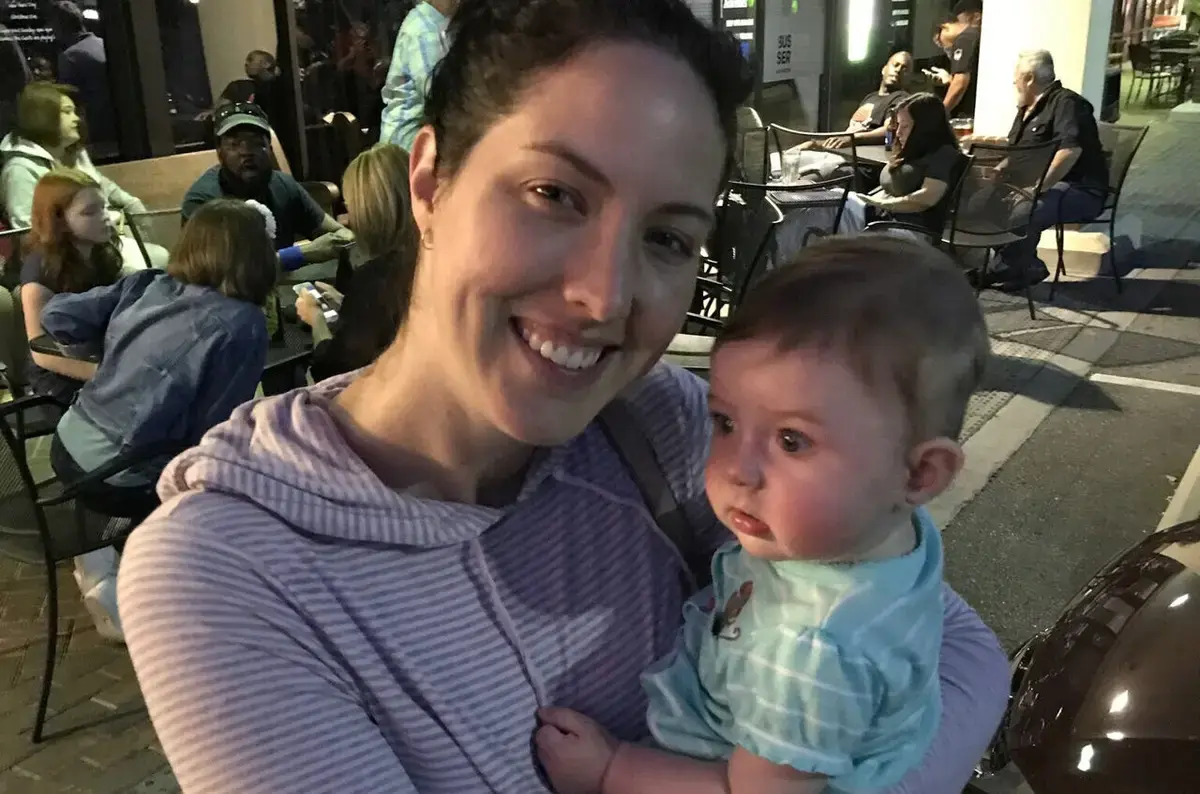
Jenna Carberg gave birth to her daughter Elsie in 2017. Moments after delivery, doctors placed the baby on her chest in Winter Park, Florida. This intimate moment is a common experience for new mothers. However, the postpartum period can be challenging for many women.
Health news
 Sleep May Be the Heart's Nightly Repair Window, Study Suggests
 APOE Genotype Influences How Well Blood Tau Protein Predicts Cognitive Decline
 Pancreatic Cancer Hijacks Blood-Clotting System to Evade Immune Attack
 Survey Reveals Most Men Unaware Dairy May Increase Prostate Cancer Risk
The initial joy of motherhood often gives way to feelings of sadness and anxiety. Many new mothers experience the „baby blues,”a condition characterized by mood swings and emotional vulnerability. However, for some women, these feelings can escalate into something more severe: postpartum depression.
Postpartum depression is a serious condition that affects many new mothers. It's not just about feeling sad or overwhelmed; it's a complex mental health issue. Women with a history of depression or anxiety are more likely to experience postpartum depression. Hormonal changes after childbirth can also contribute to its development.
Can Postpartum Depression Be Prevented?
Jenna Carberg's experience is a case in point. After giving birth, she felt an overwhelming sense of sadness and anxiety. Her condition was eventually diagnosed as postpartum depression. With treatment and support, Carberg was able to manage her symptoms and care for her daughter.
While some risk factors are unavoidable, there are steps that can be taken to mitigate the likelihood of developing postpartum depression. Expectant mothers can discuss their mental health history with their healthcare providers. This open dialogue can help identify potential issues early on.
The consequences of untreated postpartum depression can be severe, affecting not only the mother but also the child and the entire family. By acknowledging the condition and seeking help, women can receive the support they need to navigate this challenging period.
Frequently Asked Questions
What are the symptoms of postpartum depression? Symptoms include persistent feelings of sadness, anxiety, and hopelessness. Women may also experience changes in appetite or sleep patterns.
How is postpartum depression treated? Treatment typically involves a combination of therapy and medication. In some cases, hospitalization may be necessary.
Can postpartum depression occur after subsequent pregnancies? Yes, women who have experienced postpartum depression in the past are at a higher risk of developing it again in future pregnancies.
Content written by Claire Ashworth for wellness-bio-radar.com editorial team, AI-assisted.