
Observation After Complete Response Shows Survival Parity With Maintenance Therapy in Colorectal Cancer
Observation as a Viable Strategy
A new analysis presented at the American Society of Clinical Oncology meeting in Chicago shows that patients with colorectal cancer who forego maintenance therapy after achieving a complete response have similar survival outcomes to those who receive three years of continued treatment. The data were released on June 1, 2026. Researchers compared disease‑free and overall survival across the two strategies.
Health news
 Sleep May Be the Heart's Nightly Repair Window, Study Suggests
 APOE Genotype Influences How Well Blood Tau Protein Predicts Cognitive Decline
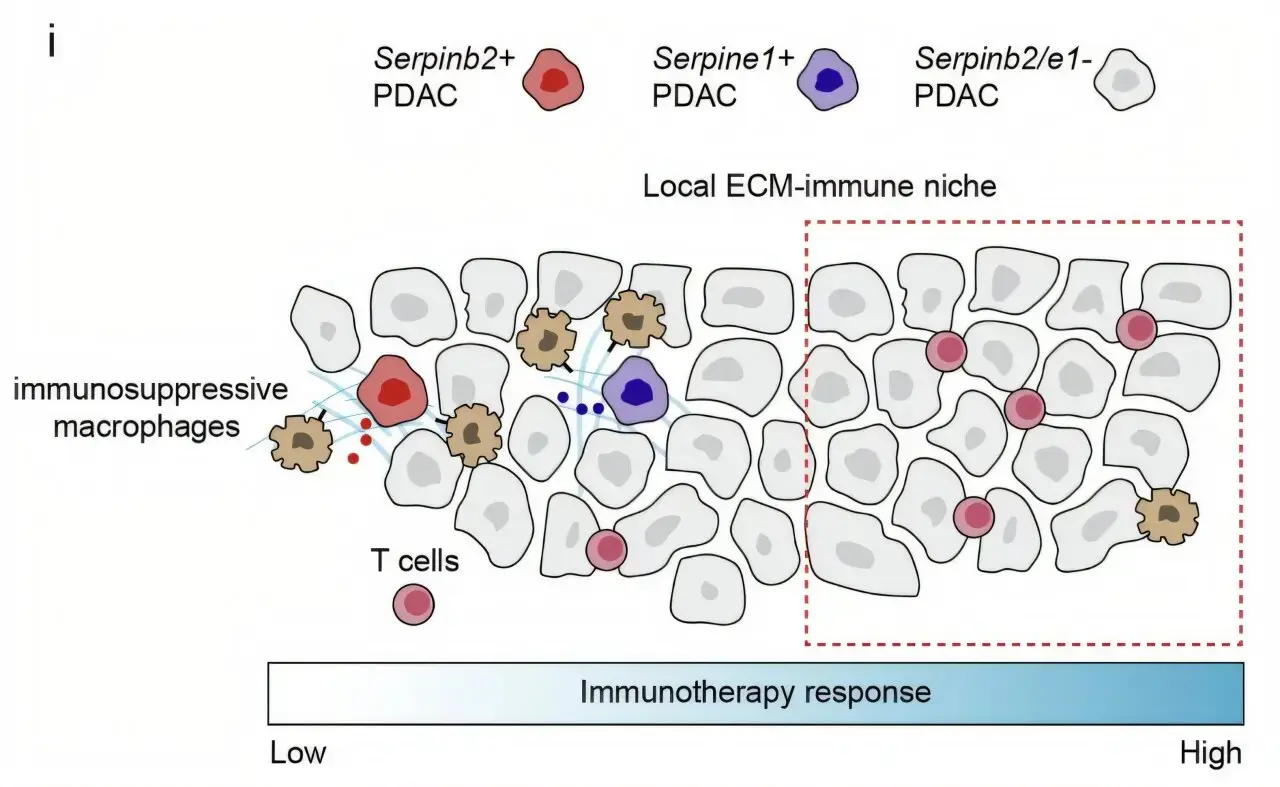 Pancreatic Cancer Hijacks Blood-Clotting System to Evade Immune Attack
 Survey Reveals Most Men Unaware Dairy May Increase Prostate Cancer Risk
The study compared two groups: one that continued standard maintenance chemotherapy for three years, and another that entered a watch‑and‑wait approach after imaging confirmed no residual disease. Patients were stratified by tumor stage and molecular profile to ensure balanced groups. Researchers measured disease‑free survival and overall survival over a median follow‑up of five years. No statistically significant differences emerged between the cohorts, and adverse events were comparable, reinforcing the safety of observation.
Lead investigators highlighted that the watch‑and‑wait protocol spares patients from the cumulative toxicity of prolonged chemotherapy. „Patients reported better quality of life during the observation period,” said Dr. Elena Martinez, the study’s principal investigator. Quality‑of‑life questionnaires showed higher scores for physical functioning in the observation arm. The trial also noted fewer hospitalizations and lower rates of neuropathy among the observation group, while health‑economic analysis indicated lower treatment costs for the watch‑and‑wait cohort.
Can Patients Safely Skip Maintenance Therapy?
The findings raise the possibility that clinicians may personalize treatment duration based on individual response. Critics caution that careful imaging and regular follow‑up are essential to detect early recurrence. Current NCCN guidelines still recommend maintenance therapy for most patients, but the new evidence may prompt revisions. Ongoing trials aim to refine criteria for selecting patients who can safely avoid maintenance treatment, and researchers plan to investigate biomarkers that predict durable remission without maintenance.
If broader guidelines adopt observation after complete response, many colorectal cancer survivors could avoid years of unnecessary chemotherapy. The data suggest that a less aggressive approach does not compromise long‑term outcomes, but clinicians will need robust surveillance protocols to ensure early detection of relapse. Patients will have more agency to choose a treatment path aligned with their preferences.
Frequently Asked Questions
What defines a complete response in colorectal cancer? A complete response means imaging and pathology show no detectable tumor after initial therapy, indicating remission at that time point.
How is observation monitored during the watch‑and‑wait period? Patients undergo scheduled colonoscopies, MRI scans, and blood tests every three to six months to catch any signs of recurrence early.
Are there risks to skipping maintenance therapy? The main risk is potential tumor regrowth, but the study found no increase in recurrence when rigorous surveillance was applied.
Content written by Claire Ashworth for wellness-bio-radar.com editorial team, AI-assisted.