
Breakthrough Nanocarrier Crosses Brain Barrier to Target Glioblastoma
Redesigning the Protein Corona to Evade Endothelial Sorting
A research team from the Institute of Neuro‑Nanomedicine announced Monday that a newly engineered nanocarrier can breach the blood‑brain barrier and deliver therapeutic agents directly to glioblastoma tumors in mouse models. The study was conducted at the university’s biomedical campus and published in the journal Nature Nanotechnology earlier this week.
Health news
 Sleep May Be the Heart's Nightly Repair Window, Study Suggests
 APOE Genotype Influences How Well Blood Tau Protein Predicts Cognitive Decline
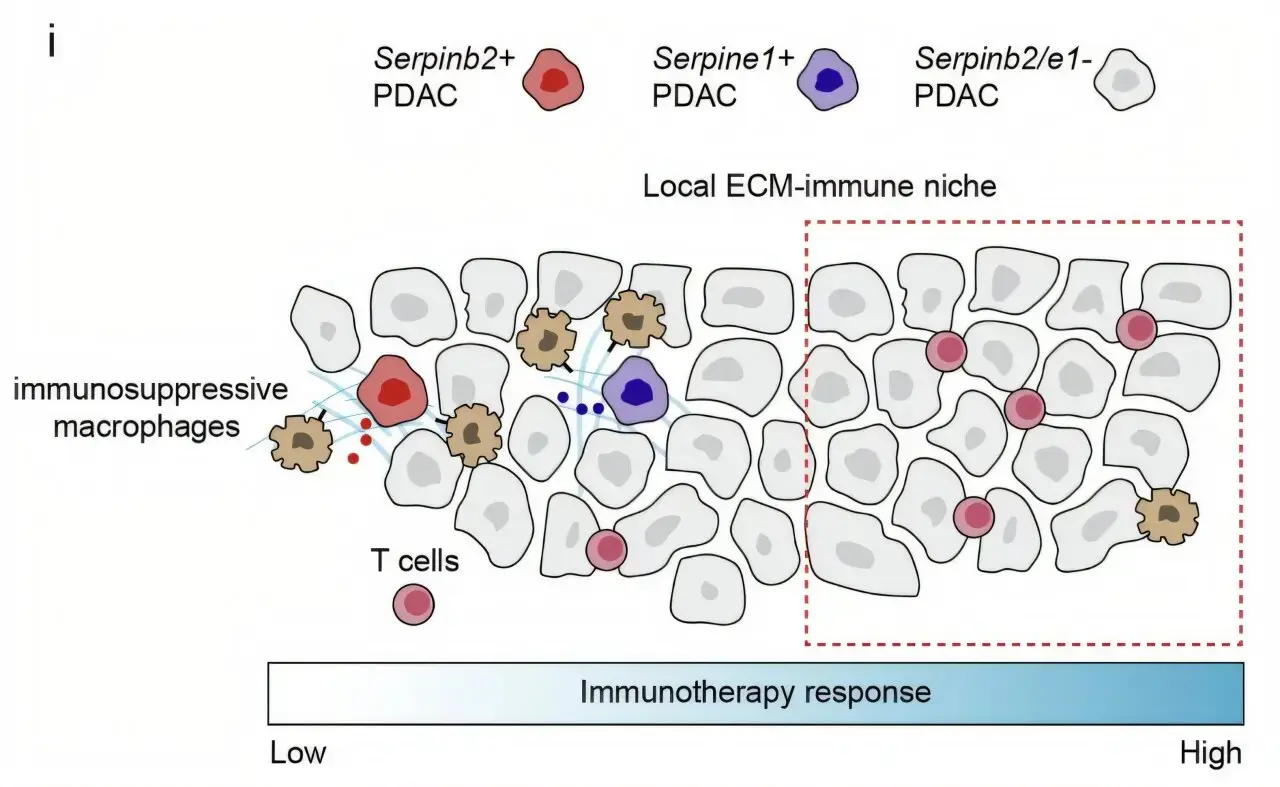 Pancreatic Cancer Hijacks Blood-Clotting System to Evade Immune Attack
 Survey Reveals Most Men Unaware Dairy May Increase Prostate Cancer Risk
The new approach redefines the „protein corona” that forms around nanoparticles in blood. By redesigning the corona’s composition, scientists prevented endothelial cells from diverting the particles away from the brain. This strategy allowed a higher fraction of the drug payload to reach the tumor site. The team believes the method could overcome the 98 % failure rate of conventional drugs that cannot cross the barrier.
Traditional nanoparticles acquire a layer of plasma proteins that signals immune clearance and endothelial sequestration. The researchers coated their particles with a synthetic polymer that selectively binds albumin while excluding opsonins. Lead investigator Dr. Maya Patel explained, „We turned the protein corona from a liability into a passport.” In pre‑clinical trials, the modified nanocarriers achieved a three‑fold increase in brain accumulation compared with unmodified controls. Mice treated with the system showed a 45 % reduction in tumor volume after four weeks.
Can This Strategy Beat Glioblastoma?
Glioblastoma remains one of the deadliest brain cancers, with median survival under 15 months. The new nanocarrier delivered a chemotherapeutic agent that normally cannot cross the blood‑brain barrier. Treated animals survived an average of 30 days longer than those receiving standard therapy. Dr. Patel added, „If we can replicate these results in humans, we may finally have a tool to attack this aggressive tumor.” The team plans to initiate Phase I trials within the next year.
The breakthrough could reshape how neuro‑nanomedicine tackles brain‑restricted diseases. By mastering the protein corona, researchers may unlock delivery routes for a range of therapeutics, from small molecules to gene editors. Regulatory pathways will need to adapt to these novel delivery platforms, but the potential patient benefit is substantial. If successful, the technology could extend survival and improve quality of life for glioblastoma patients worldwide.
Frequently Asked Questions
How does the protein corona affect nanoparticle delivery? When nanoparticles enter the bloodstream, they quickly attract proteins that form a corona. This layer can mark the particles for clearance by immune cells or cause them to be trapped by endothelial cells, preventing brain entry.
Why is glioblastoma hard to treat? Glioblastoma cells infiltrate healthy brain tissue and are protected by the blood‑brain barrier, which blocks most drugs. The tumor also develops resistance to many chemotherapies, limiting treatment options.
When might this nanocarrier be available for patients? The research team aims to start human safety trials within a year. If those trials succeed, regulatory approval could follow in the next 3–5 years, depending on study outcomes and review timelines.
Content written by Dr. Elena Voss for wellness-bio-radar.com editorial team, AI-assisted.