
Nanoparticles Target Psoriasis Genes in Breakthrough Treatment
Gene Silencing for Psoriasis Relief
Researchers in Brazil have developed a technological platform using nanoparticles to target the genes responsible for psoriasis, a condition affecting 190 million people worldwide.
Health news
 Sleep May Be the Heart's Nightly Repair Window, Study Suggests
 APOE Genotype Influences How Well Blood Tau Protein Predicts Cognitive Decline
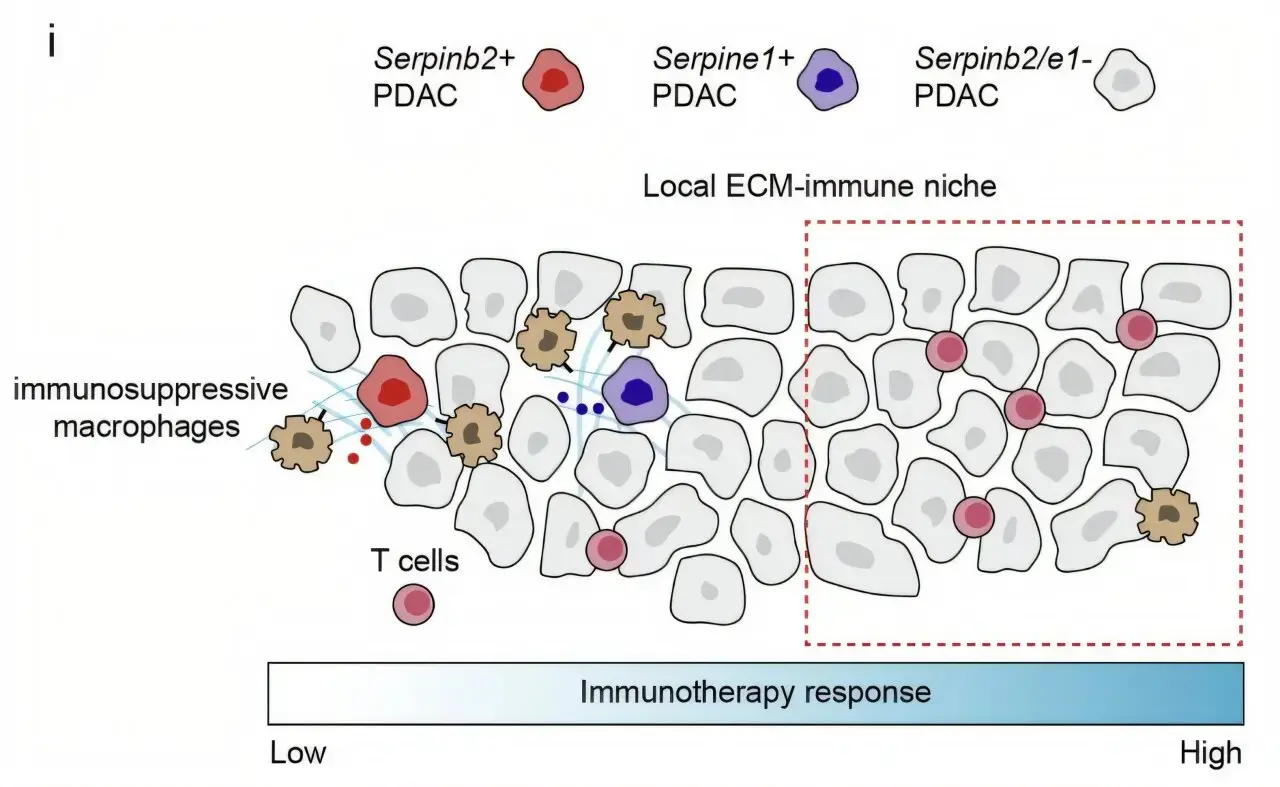 Pancreatic Cancer Hijacks Blood-Clotting System to Evade Immune Attack
 Survey Reveals Most Men Unaware Dairy May Increase Prostate Cancer Risk
The innovative approach involves using nanoparticles to deliver therapeutic molecules directly to the affected skin cells, reducing inflammation and promoting healing. Psoriasis is a chronic autoimmune disease characterized by red, scaly patches on the skin, causing discomfort and impacting quality of life.
Can Nanoparticles Revolutionize Psoriasis Treatment?
The nanoparticles are designed to silence specific genes that contribute to the development of psoriasis. By targeting these genes, the treatment aims to reduce the production of pro-inflammatory cytokines, which exacerbate the condition. According to Maria Vitória Bentley, the researcher leading the project, the nanoparticles have shown promising results in preclinical trials.
The treatment's potential is significant, given the limited effectiveness of current therapies, which often have severe side effects. The use of nanoparticles offers a more targeted and efficient approach, minimizing harm to healthy cells. With further development, this technology could provide a much-needed solution for millions of people worldwide suffering from psoriasis.
As the research progresses, the potential for nanoparticles to transform the treatment of psoriasis becomes increasingly evident. With its targeted approach and promising results, this technology may offer new hope for those affected by the condition.
Frequently Asked Questions
The successful development of this treatment could have far-reaching consequences, improving the lives of millions of people worldwide. As the research continues to advance, it is likely that we will see significant improvements in the management and treatment of psoriasis.
What is the current status of the research? The nanoparticles have shown promising results in preclinical trials and are being further developed for clinical testing. How do the nanoparticles target psoriasis genes? The nanoparticles are designed to deliver therapeutic molecules directly to the affected skin cells, silencing specific genes that contribute to the condition. What are the potential benefits of this treatment? The targeted approach minimizes harm to healthy cells, reducing the risk of severe side effects associated with current therapies.
Content written by Dr. Elena Voss for wellness-bio-radar.com editorial team, AI-assisted.