CRISPR System Targets Cells for Destruction, Shows Promise Against Disease
Beyond Editing: A Cellular Demolition Approach
Researchers at the University of Utah Health Sciences have developed a novel CRISPR-based system. This new approach doesn’t edit genes. Instead, it completely destroys diseased cells. Initial tests suggest potential for treating viral infections and certain cancers.
Health news
 Sleep May Be the Heart's Nightly Repair Window, Study Suggests
 APOE Genotype Influences How Well Blood Tau Protein Predicts Cognitive Decline
 Pancreatic Cancer Hijacks Blood-Clotting System to Evade Immune Attack
 Survey Reveals Most Men Unaware Dairy May Increase Prostate Cancer Risk
This innovative CRISPR system differs from traditional gene editing. It focuses on dismantling the DNA within a cell. The goal is total cellular obliteration, rather than precise genetic repair. This method could bypass some of the safety concerns associated with altering a cell’s genetic code. It offers a potentially more direct way to eliminate problematic cells.
The team engineered a CRISPR protein that, once inside a cell, initiates a chain reaction. This reaction leads to fragmentation of the cell’s DNA. Unlike typical CRISPR, this system doesn’t need to precisely locate and cut a specific gene. It simply breaks down all the DNA, effectively shutting down the cell. This broad-spectrum approach could be particularly useful against viruses. Viruses rapidly mutate, making them difficult targets for traditional gene editing.
Can This System Avoid Healthy Cell Damage?
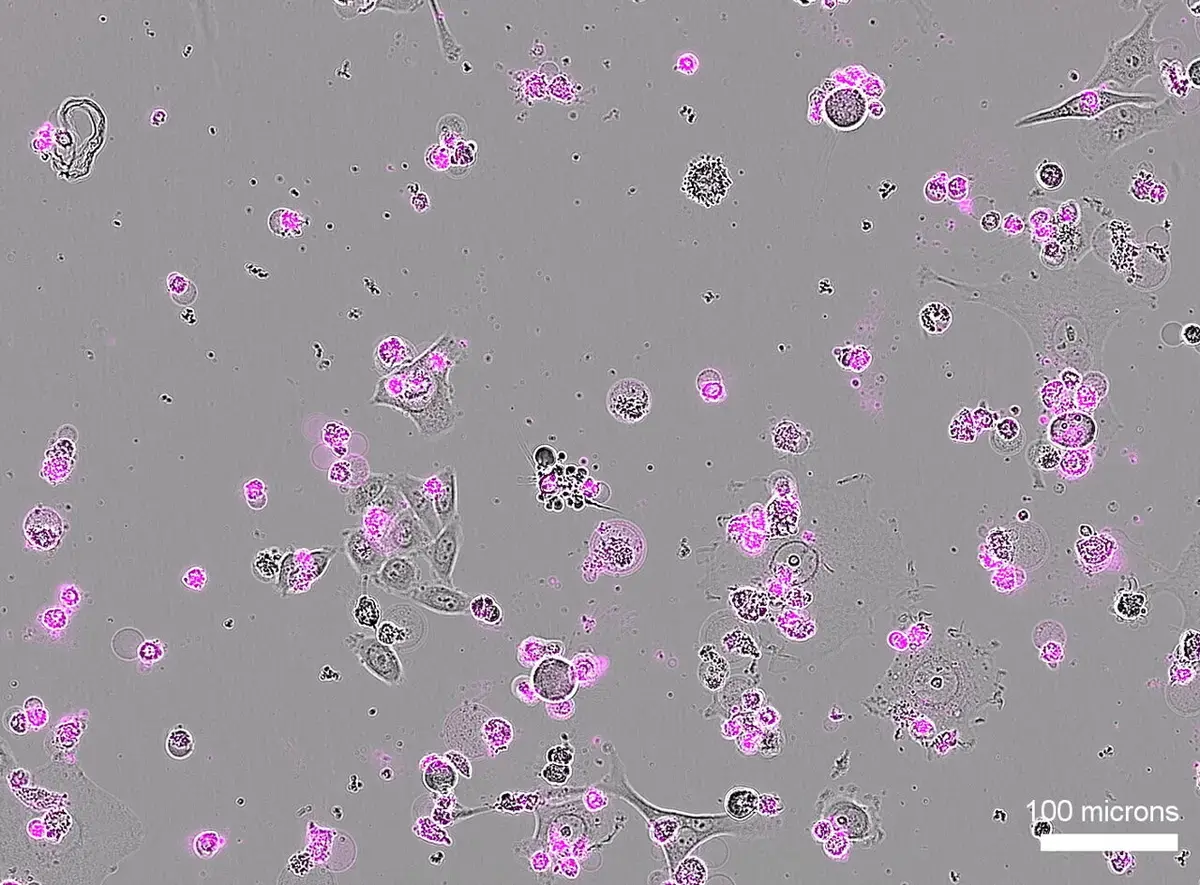
„We’re essentially causing a fatal error in the cell’s genetic material,” explained one of the researchers. „It’s like shredding all the instruction manuals, so the cell can’t function.” The researchers tested this system on cells infected with viruses. They also tested it on cancerous cells in laboratory settings. Results showed significant cell death in both cases. The system proved effective even against cells that had developed resistance to other treatments.
A key challenge with any cell-killing therapy is ensuring it doesn’t harm healthy tissues. The researchers are exploring ways to deliver the CRISPR system specifically to diseased cells. This could involve using antibodies or other targeting molecules. These molecules would bind to unique markers found on the surface of cancer cells or virus-infected cells.
Early data suggests the system is relatively safe. However, more research is needed to fully assess potential side effects. The team is also working to optimize the system’s efficiency and delivery methods. They aim to minimize off-target effects and maximize the destruction of diseased cells.
Frequently Asked Questions
This new CRISPR approach represents a significant departure from traditional gene editing. It offers a potentially powerful new tool for combating a range of diseases. Further research and clinical trials will be crucial to determine its safety and efficacy in humans. The system could become a valuable addition to the arsenal of therapies available for treating viral infections and cancer.
How does this differ from gene therapy? Traditional gene therapy aims to correct faulty genes. This new system destroys the entire cell, rather than attempting to fix its genetic code. It’s a fundamentally different approach to treating disease.
Could this system be used against any type of cancer? While promising, the system’s effectiveness will likely vary depending on the type of cancer. Researchers are focusing on cancers with specific markers that allow for targeted delivery of the CRISPR system. Further research will determine its broad applicability.
Content written by Dr. Elena Voss for wellness-bio-radar.com editorial team, AI-assisted.