
Cutting Calories Reverses Biological Age
Reversing the Clock through Diet
Researchers at the University of Sydney have discovered that older Australians who cut dietary fat or animal-based protein show signs of reduced biological age. The study involved 65- to 75-year-olds who underwent a four-week dietary intervention.
Health news
 Sleep May Be the Heart's Nightly Repair Window, Study Suggests
 APOE Genotype Influences How Well Blood Tau Protein Predicts Cognitive Decline
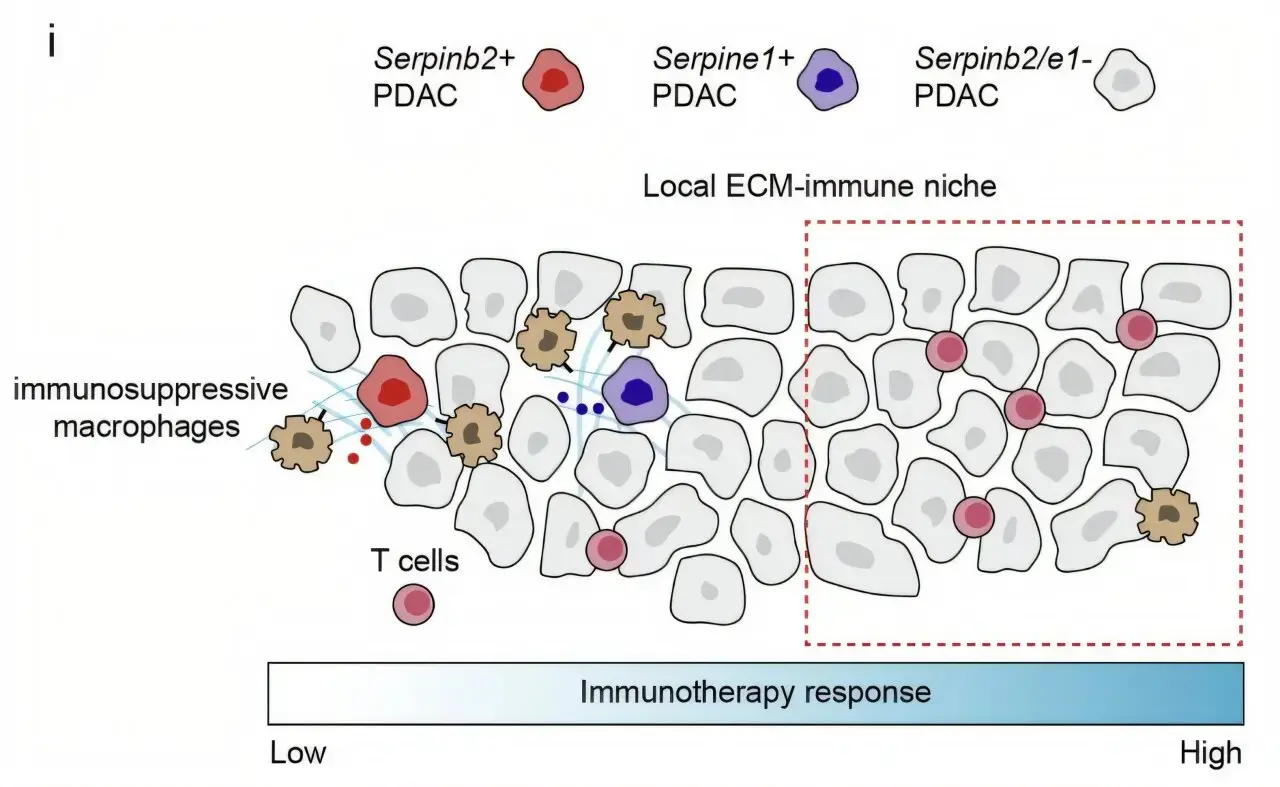 Pancreatic Cancer Hijacks Blood-Clotting System to Evade Immune Attack
 Survey Reveals Most Men Unaware Dairy May Increase Prostate Cancer Risk
The findings, published in a recent study, revealed that even a short period of dietary change can have a significant impact on biological age. Participants who reduced their dietary fat or animal-based protein intake showed a decrease in biological age, indicating a potential reversal of the aging process.
The study's results showed that a reduction in dietary fat or animal-based protein can lead to a decrease in biological age. This suggests that dietary interventions can be an effective way to promote healthy aging. The researchers believe that the reduction in biological age is due to the decrease in oxidative stress and inflammation caused by the dietary changes.
Can Dietary Changes Really Turn Back the Clock?
The participants who reduced their dietary fat showed a significant decrease in biological age, with some showing a reduction of up to 1.8 years. Similarly, those who reduced their animal-based protein intake showed a decrease in biological age, with some showing a reduction of up to 2.3 years.
The study's findings have significant implications for our understanding of the aging process. By showing that dietary interventions can reduce biological age, the researchers have opened up new avenues for research into healthy aging. The study's results suggest that simple dietary changes can have a profound impact on our health and wellbeing.
The consequences of this research are far-reaching, with potential applications in the development of new treatments for age-related diseases. As the population continues to age, finding effective ways to promote healthy aging will become increasingly important.
Frequently Asked Questions
Q: What type of dietary changes were made in the study? A: Participants either reduced their dietary fat or animal-based protein intake. The changes were implemented over a four-week period.
Q: How much of a reduction in biological age was seen in the study? A: Participants who reduced their dietary fat showed a reduction of up to 1.8 years, while those who reduced their animal-based protein intake showed a reduction of up to 2.3 years.
Q: What are the potential implications of this research? A: The study's findings have significant implications for our understanding of the aging process and may lead to the development of new treatments for age-related diseases.
Content written by Claire Ashworth for wellness-bio-radar.com editorial team, AI-assisted.