
First Nonrepeating Biological Clock Discovered
Unraveling the Clock's Mechanism
Researchers have identified a master clock in the worm C. elegans that coordinates gene expression pulses throughout its development. This clock is made up of two proteins, MYRF-1 and LIN-42. It guides growth and ensures timely progression through each stage.
Health news
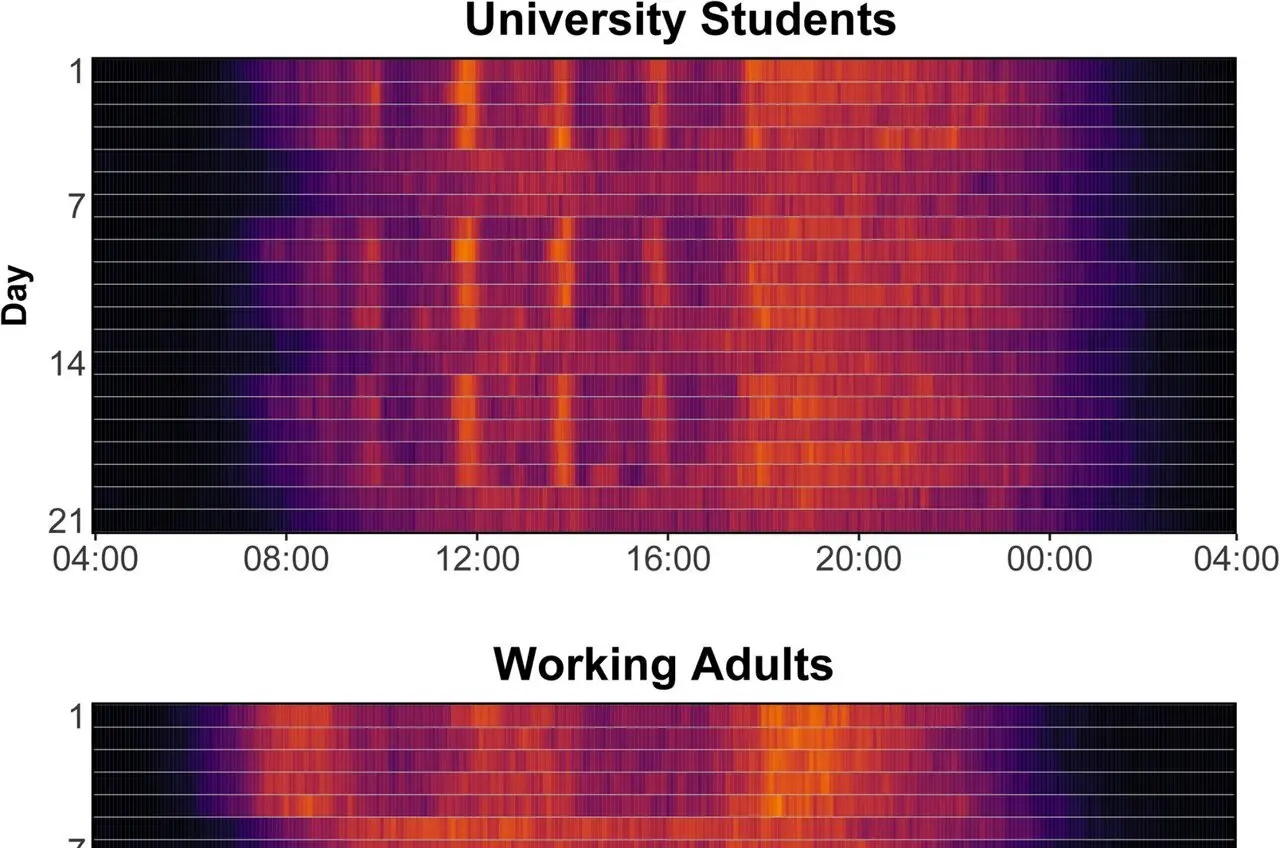 Students Lagg Behind Seniors in Physical Activity, Study Shows
 Sleep May Be the Heart's Nightly Repair Window, Study Suggests
 APOE Genotype Influences How Well Blood Tau Protein Predicts Cognitive Decline
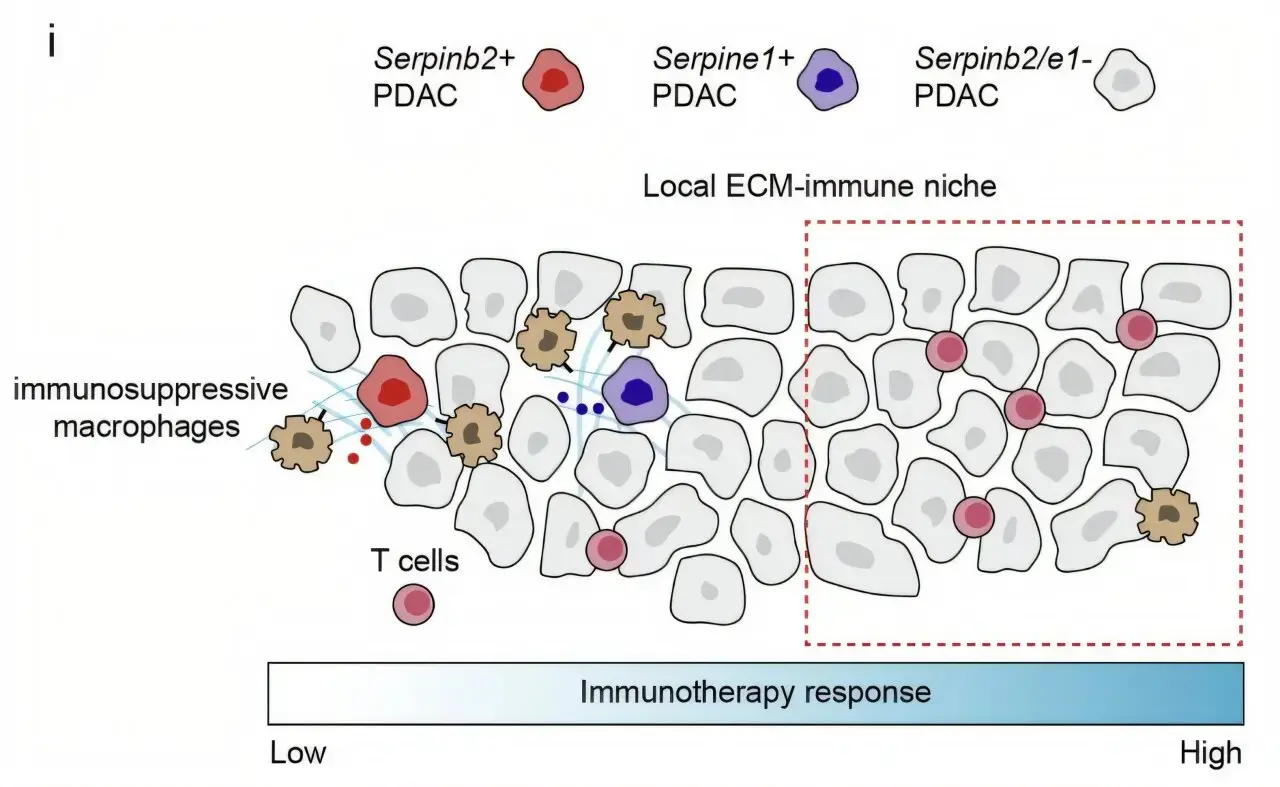 Pancreatic Cancer Hijacks Blood-Clotting System to Evade Immune Attack
The discovery was made by scientists at Cold Spring Harbor Laboratory. They found that the clock's mechanism involves the precise timing and duration of gene expression pulses. This process is crucial for the worm's development.
The proteins MYRF-1 and LIN-42 work together to regulate gene expression. As the worm develops, the levels of these proteins oscillate, creating a coordinated sequence of gene expression pulses. This sequence is essential for the worm's growth and maturation.
Can This Discovery Shed Light on Human Development?
The researchers observed that the clock's pulses are not repetitive, unlike many other biological processes. Instead, each pulse is unique and corresponds to a specific stage of development. This nonrepeating pattern allows the worm to progress through its developmental stages in a timely and coordinated manner.
The discovery of the nonrepeating biological clock in C. elegans has significant implications for our understanding of developmental biology. It may provide insights into the mechanisms that govern human development and potentially shed light on developmental disorders.
The identification of this master clock opens up new avenues for research into the intricacies of developmental biology. Understanding how this clock works could have far-reaching consequences for our knowledge of growth and development in various organisms.
Frequently Asked Questions
What is the role of MYRF-1 and LIN-42 in C. elegans development? The proteins MYRF-1 and LIN-42 form a master clock that coordinates gene expression pulses throughout the worm's development. They work together to regulate the timing and duration of these pulses.
How does the nonrepeating biological clock guide growth in C. elegans? The clock's unique pulses correspond to specific stages of development, ensuring timely progression through each stage. This nonrepeating pattern allows the worm to mature in a coordinated manner.
What are the potential implications of this discovery for human development? The discovery may provide insights into the mechanisms that govern human development and potentially shed light on developmental disorders, opening up new avenues for research.
Content written by Dr. Elena Voss for wellness-bio-radar.com editorial team, AI-assisted.