
T Cells' Secret to Lasting Fight Against Chronic Diseases Uncovered
Unlocking T Cell Stemness
Researchers at Weill Cornell Medicine have made a groundbreaking discovery about T cells, a crucial part of the immune system, and their role in combating chronic conditions. T cells are the body's elite fighting force, targeting and destroying diseased cells. The study was reviewed on July 1, 2026.
Health news
 Sleep May Be the Heart's Nightly Repair Window, Study Suggests
 APOE Genotype Influences How Well Blood Tau Protein Predicts Cognitive Decline
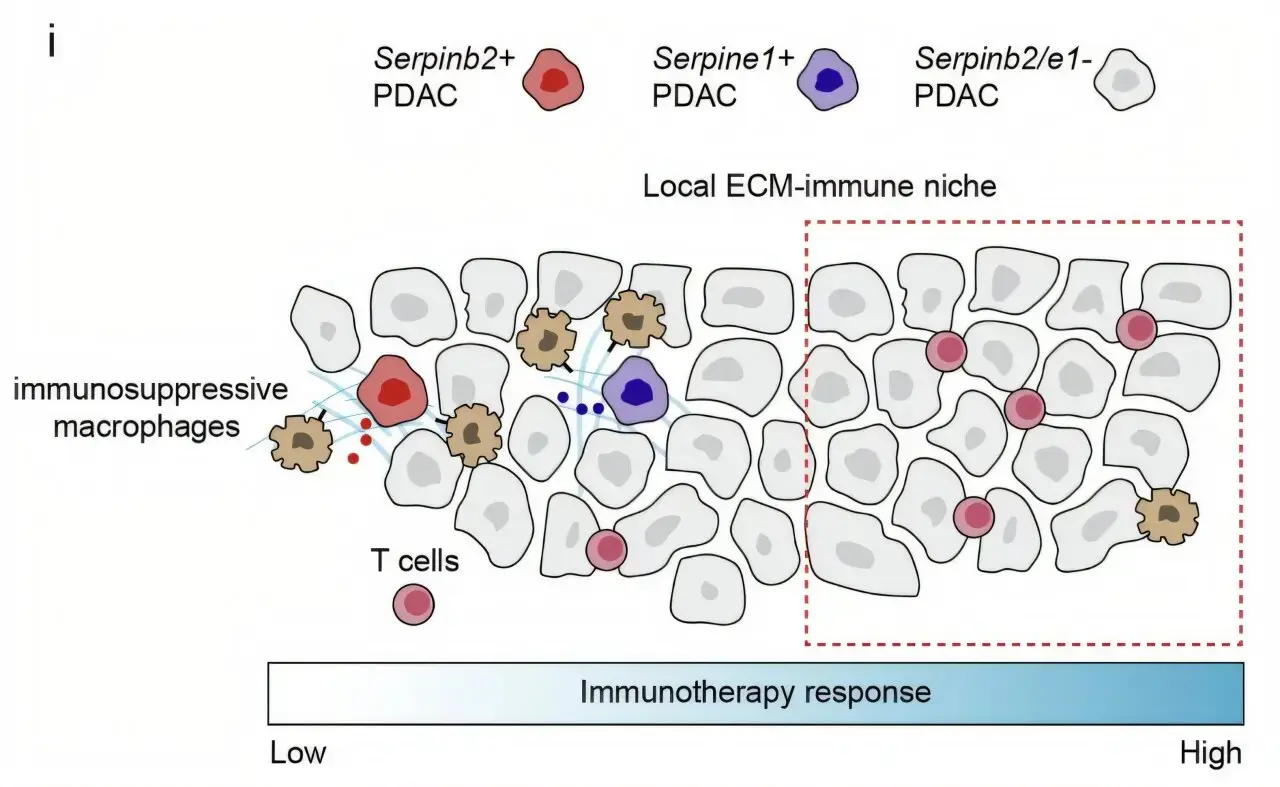 Pancreatic Cancer Hijacks Blood-Clotting System to Evade Immune Attack
 Survey Reveals Most Men Unaware Dairy May Increase Prostate Cancer Risk
T cells are vital in the fight against chronic conditions such as viral infections and cancer. In prolonged campaigns, the body needs a steady supply of these killer cells. The researchers investigated where and how these cells are generated.
Can T Cell Stemness Be Harnessed for Therapy?
The team found that LEF1, a protein, and niche-derived factors play a crucial role in regulating T cell stemness. This means that these factors help maintain the ability of T cells to self-renew and differentiate into effector cells. The discovery sheds light on the mechanisms behind T cell exhaustion, a state where T cells lose their effectiveness.
The researchers' findings have significant implications for understanding how T cells are regulated in different disease contexts. By understanding the factors that control T cell stemness, scientists can develop new strategies to enhance T cell function.
The study's results suggest that targeting LEF1 and niche-derived factors could be a promising approach for improving T cell-based therapies. This could lead to more effective treatments for chronic diseases.
Frequently Asked Questions
The discovery of LEF1's role in T cell stemness opens up new avenues for research into T cell biology and its applications in medicine. As scientists continue to explore the intricacies of T cell regulation, they may uncover new ways to boost the immune system's fighting capabilities.
What is T cell stemness? T cell stemness refers to the ability of T cells to self-renew and differentiate into effector cells. This property allows T cells to maintain their function over time. How does LEF1 regulate T cell stemness? LEF1, a protein, plays a crucial role in maintaining T cell stemness by regulating the expression of genes involved in self-renewal and differentiation. What are the potential therapeutic implications of this discovery? The study's findings suggest that targeting LEF1 and niche-derived factors could lead to more effective T cell-based therapies for chronic diseases.
Content written by Marcus Reid for wellness-bio-radar.com editorial team, AI-assisted.