
New Research Uncovers Key Vulnerability in Aggressive Brain Cancer
How a Protein Drives Cancer's Defense
A recent study has pinpointed a critical protein involved in the survival and growth of glioblastoma (GBM) stem cells. This discovery offers a potential new target for treating this highly aggressive form of brain cancer. The findings could lead to improved therapies for patients facing grim prognoses.
Health news
 Sleep May Be the Heart's Nightly Repair Window, Study Suggests
 APOE Genotype Influences How Well Blood Tau Protein Predicts Cognitive Decline
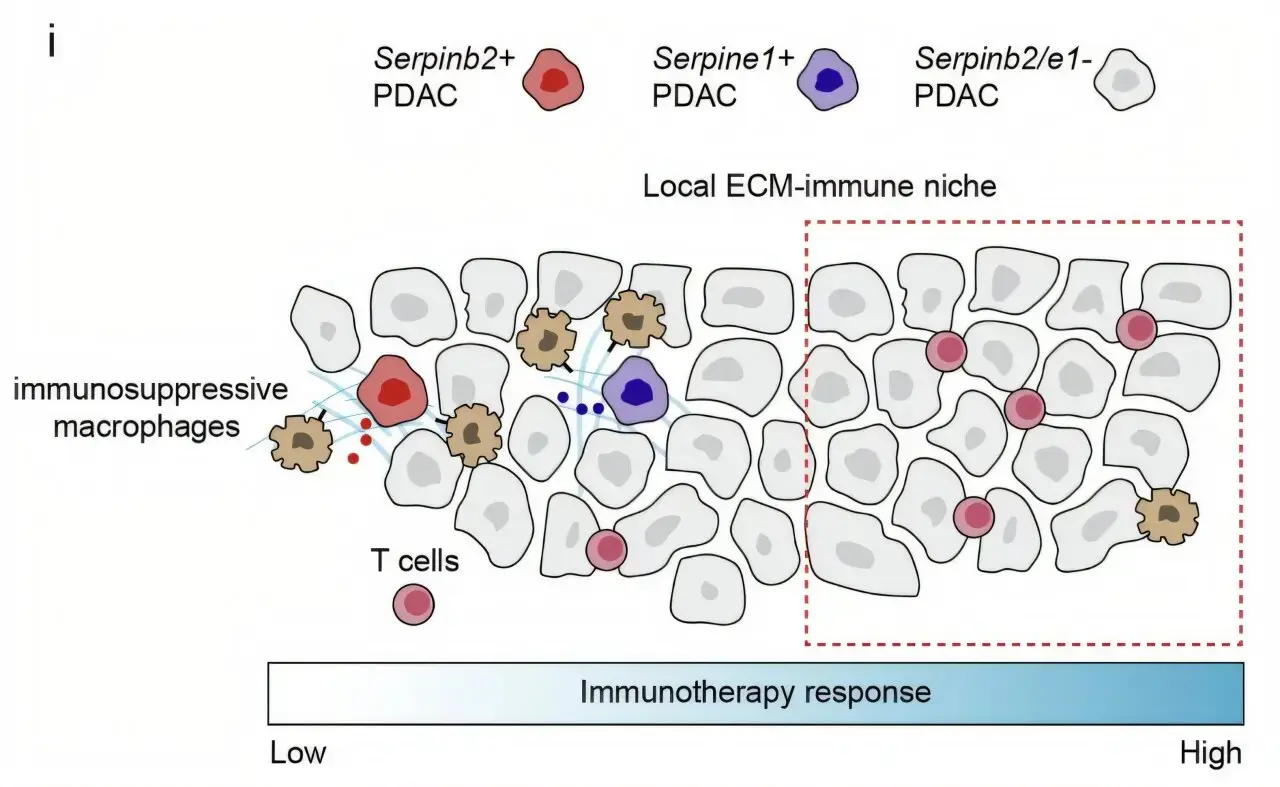 Pancreatic Cancer Hijacks Blood-Clotting System to Evade Immune Attack
 Survey Reveals Most Men Unaware Dairy May Increase Prostate Cancer Risk
Researchers found that higher levels of this protein, called TRNAU1AP, are directly linked to significantly shorter survival times for GBM patients. TRNAU1AP plays a vital role by creating special clusters inside cells. These clusters are essential for producing protective selenoproteins.
The protein IGF2BP3 acts as a readerfor m6A, a common modification on RNA molecules. It stabilizes TRNAU1AP messenger RNA (mRNA). This stabilization is crucial because it allows for the continuous production of selenoproteins. These selenoproteins are known to protect cancer cells, helping them to survive harsh conditions and resist treatments.
Can Targeting This Pathway Stop Glioblastoma?
By ensuring the steady supply of these protective molecules, TRNAU1AP effectively shields glioblastoma stem cells. This protection allows the cancer to thrive and spread more aggressively. Understanding this pathway opens doors for new therapeutic strategies.
Scientists believe that disrupting the TRNAU1AP pathway could significantly weaken glioblastoma. By interfering with the production of these protective selenoproteins, cancer cells might become more vulnerable. This approach could potentially slow tumor progression and improve treatment outcomes.
This research highlights a specific molecular mechanism that drives glioblastoma's resilience. Future studies will likely focus on developing drugs that can specifically inhibit TRNAU1AP or its related components. Such interventions could offer new hope for patients with this challenging disease.
Frequently Asked Questions
What is glioblastoma? Glioblastoma is a highly aggressive and fast-growing type of brain tumor. It is one of the most common and deadliest forms of cancer originating in the brain, often resistant to current treatments.
How does TRNAU1AP contribute to glioblastoma? TRNAU1AP helps glioblastoma stem cells survive by forming clusters that drive the synthesis of protective selenoproteins. These proteins shield cancer cells, making them more resilient against therapies and enabling tumor growth.
What is the significance of this discovery? Identifying TRNAU1AP as a key driver provides a new therapeutic target for glioblastoma. Disrupting this pathway could make cancer cells more vulnerable, potentially leading to more effective treatments and better patient outcomes.
Content written by Marcus Reid for wellness-bio-radar.com editorial team, AI-assisted.