New Research Uncovers How Blood Vessels Connect
Cellular Mechanics Drive Vessel Assembly
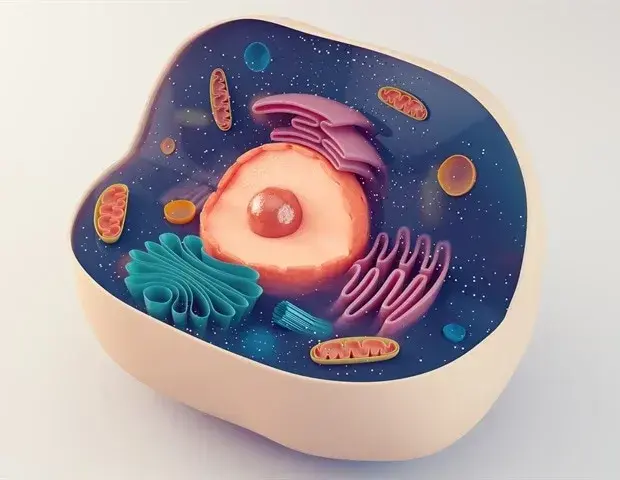
Scientists have revealed a crucial process in blood vessel formation. Researchers at the University of Basel discovered how cells join together to create new vessels. This breakthrough explains how the body ensures a steady supply of oxygen and nutrients.
Health news
 Sleep May Be the Heart's Nightly Repair Window, Study Suggests
 APOE Genotype Influences How Well Blood Tau Protein Predicts Cognitive Decline
 Pancreatic Cancer Hijacks Blood-Clotting System to Evade Immune Attack
 Survey Reveals Most Men Unaware Dairy May Increase Prostate Cancer Risk
The study, published recently, focuses on the mechanical forces involved. It shows that individual vessel segments use pushing and pulling actions. These forces allow them to connect and form a continuous network. This connection is vital for proper circulation.
The research highlights the importance of cellular mechanics. Cells do not just randomly assemble. Instead, they actively exert physical forces. These forces guide the precise alignment and fusion of vessel parts. This controlled process ensures the integrity of the circulatory system.
How Do Cells Coordinate These Forces?
Understanding these forces could lead to new medical treatments. It offers insights into how vessels grow and repair themselves. This knowledge might help in conditions where vessel formation is impaired.
The study explains that cells communicate mechanically. They sense and respond to the forces exerted by neighboring cells. This allows for a coordinated effort in building complex vessel structures. The precise nature of this communication is still being explored.
This discovery has significant implications for regenerative medicine. It could inform strategies for growing new tissues and organs. It also sheds light on diseases involving abnormal blood vessel growth, such as cancer. Future research will likely explore these connections further.
Frequently Asked Questions
What is the main finding of this study? The study found that blood vessel segments connect using specific pushing and pulling forces exerted by cells. This mechanical action is key to forming a continuous blood supply network.
Why is understanding blood vessel formation important? Understanding this process is crucial for treating diseases where blood vessel growth is abnormal, such as in cancer or heart disease. It also has implications for regenerative medicine and tissue engineering.
What are the next steps for this research? Future research will likely investigate the molecular mechanisms behind these cellular forces and how they are regulated. This could lead to new therapeutic targets for various medical conditions.
Content written by Dr. Elena Voss for wellness-bio-radar.com editorial team, AI-assisted.