
Gecko Offers New Hope in Cancer Research
Unlocking Genetic Secrets
Scientists are studying a unique leopard gecko with naturally occurring aggressive tumors. This animal could become a vital new model for understanding cancer. Researchers found its tumors share crucial genetic similarities with human cancers. This discovery opens new avenues for medical breakthroughs.
Health news
 Sleep May Be the Heart's Nightly Repair Window, Study Suggests
 APOE Genotype Influences How Well Blood Tau Protein Predicts Cognitive Decline
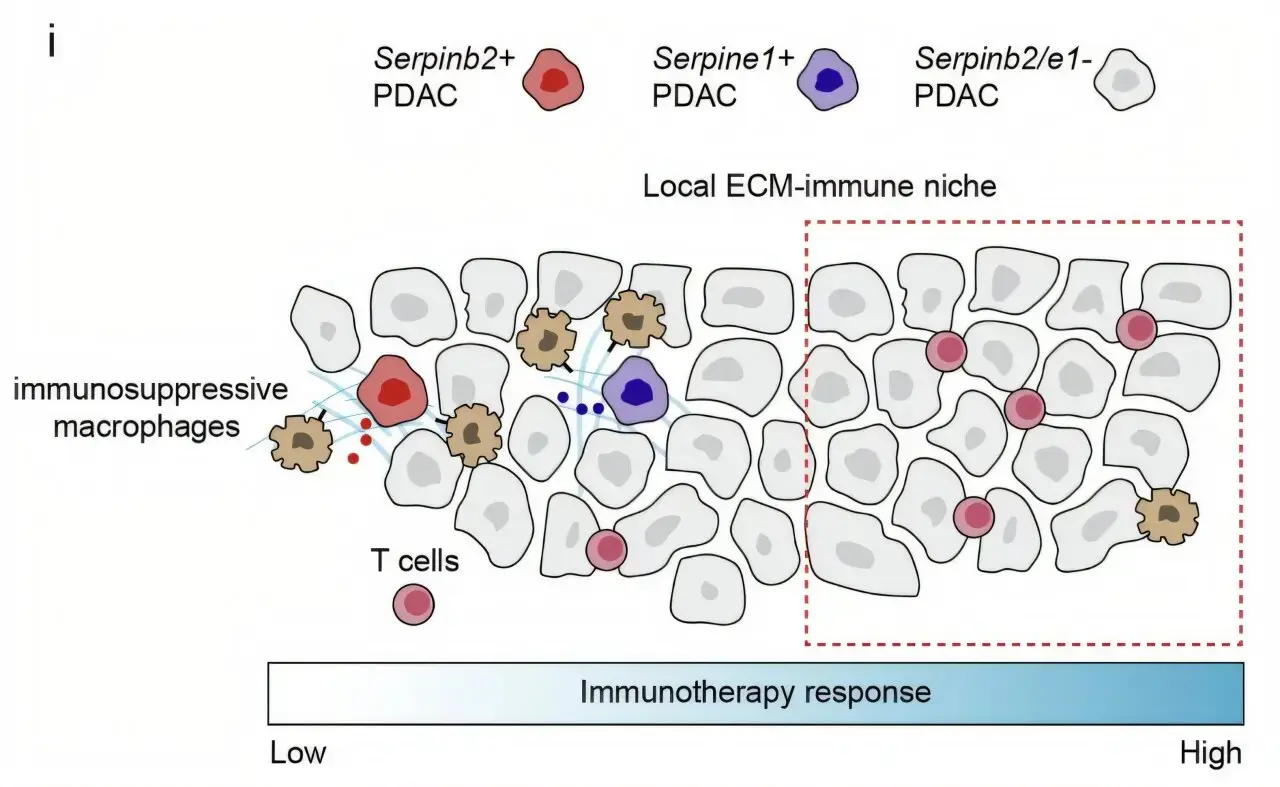 Pancreatic Cancer Hijacks Blood-Clotting System to Evade Immune Attack
 Survey Reveals Most Men Unaware Dairy May Increase Prostate Cancer Risk
This particular gecko, named „Thelma,”developed a large tumor on her leg. The tumor grew rapidly and aggressively. Her owner, a scientist, recognized the unusual nature of the growth. This led to a deeper investigation into the gecko's condition.
Why is this gecko so important?
The research team performed detailed genetic analysis on Thelma's tumor. They compared its DNA to healthy gecko tissue. They identified several key genetic mutations. These mutations are also commonly found in human cancers. This parallel is extremely significant for oncology.
One specific gene, known as TP53, showed critical alterations. TP53 is a well-known tumor suppressor gene in humans. Its malfunction often drives cancer development. Finding similar changes in the gecko suggests a shared biological pathway.
# What makes this gecko's tumors unique?
Traditional cancer research often relies on mouse models. However, these models do not always perfectly mimic human disease. A gecko model could offer distinct advantages. Geckos have different immune systems and metabolic rates. These differences might reveal new aspects of cancer progression.
Thelma’s case is particularly valuable because her tumors developed naturally. This contrasts with genetically engineered lab animals. Natural tumor development provides a more realistic representation of the disease. It allows scientists to study cancer in a spontaneous context. This could lead to more effective treatments. The gecko's unique biology may hold answers currently unknown.
# How could this gecko help human cancer research?
The gecko's tumors developed naturally and aggressively. They share key genetic mutations with human cancers, including alterations in the TP53 gene. This natural occurrence makes it a valuable research model.
Studying this gecko could reveal new insights into cancer development and progression. Its unique biology might uncover novel treatment targets. It offers an alternative to traditional mouse models.
Content written by Marcus Reid for wellness-bio-radar.com editorial team, AI-assisted.