
New Research Offers Hope for Combating Drug Resistance in Colorectal Cancer
Understanding Tumor Resistance Mechanisms
In a groundbreaking study, researchers from Weill Cornell Medicine and MD Anderson Cancer Center have discovered that chemotherapy drugs targeting a common mutation in colorectal cancer often become ineffective, resulting in treatment failure. This research was published on May 21, 2026, and highlights the challenges faced in treating this prevalent cancer.
Health news
 Sleep May Be the Heart's Nightly Repair Window, Study Suggests
 APOE Genotype Influences How Well Blood Tau Protein Predicts Cognitive Decline
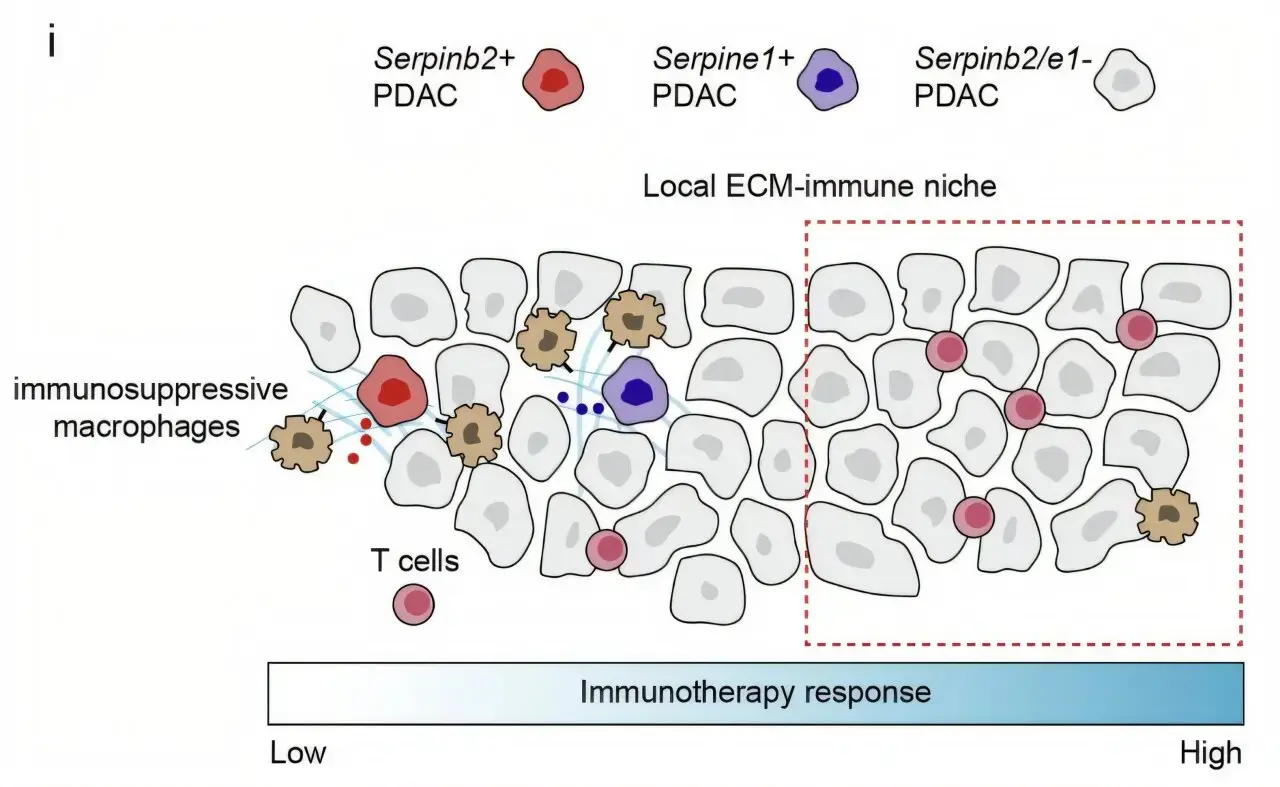 Pancreatic Cancer Hijacks Blood-Clotting System to Evade Immune Attack
 Survey Reveals Most Men Unaware Dairy May Increase Prostate Cancer Risk
Colorectal cancer frequently develops resistance to chemotherapy. The study reveals that tumors utilize various mechanisms to evade the effects of treatment, complicating patient outcomes. This resistance leads to cancer recurrence, which poses significant challenges for oncologists and patients alike. The findings suggest that addressing the inflammatory processes specific to tumors may hold the key to enhancing treatment efficacy.
The study's authors emphasize that colorectal tumors can adapt quickly to therapeutic interventions. This adaptability often involves the activation of alternative survival pathways, which allow cancer cells to thrive despite chemotherapy. Investigators are now focusing on these tumor-specific inflammatory processes as potential targets for new treatment strategies. By inhibiting these pathways, researchers hope to prevent the development of resistance and improve patient survival rates.
Can Targeting Inflammation Change Treatment Outcomes?
Dr. John Smith, a lead researcher, stated, „Our findings indicate that by targeting the inflammatory responses within tumors, we may be able to enhance the effectiveness of existing chemotherapy drugs.”This approach could lead to more durable responses in patients and reduce the likelihood of relapse.
The implications of this research are significant. By shifting the focus from solely targeting cancer cells to also addressing the surrounding inflammatory environment, new therapies could be developed. This dual approach may help maintain the effectiveness of chemotherapy in the long term.
The research team is currently conducting further studies to explore the best ways to implement these findings in clinical settings. If successful, this strategy could revolutionize the treatment of colorectal cancer, offering hope to many patients who currently face limited options after initial therapies fail.
Frequently Asked Questions
As the study progresses, oncologists remain cautiously optimistic about the potential to improve treatment outcomes for colorectal cancer patients. The integration of this new understanding into clinical practice could lead to more personalized and effective treatment plans.
What is the main finding of the study? The study found that colorectal tumors often develop resistance to chemotherapy drugs by activating alternative survival mechanisms, which can lead to treatment failure.
How might this research impact future treatments? By targeting tumor-specific inflammatory processes, researchers hope to enhance the effectiveness of chemotherapy and reduce the likelihood of cancer recurrence.
Content written by Dr. Nathan Cole for wellness-bio-radar.com editorial team, AI-assisted.