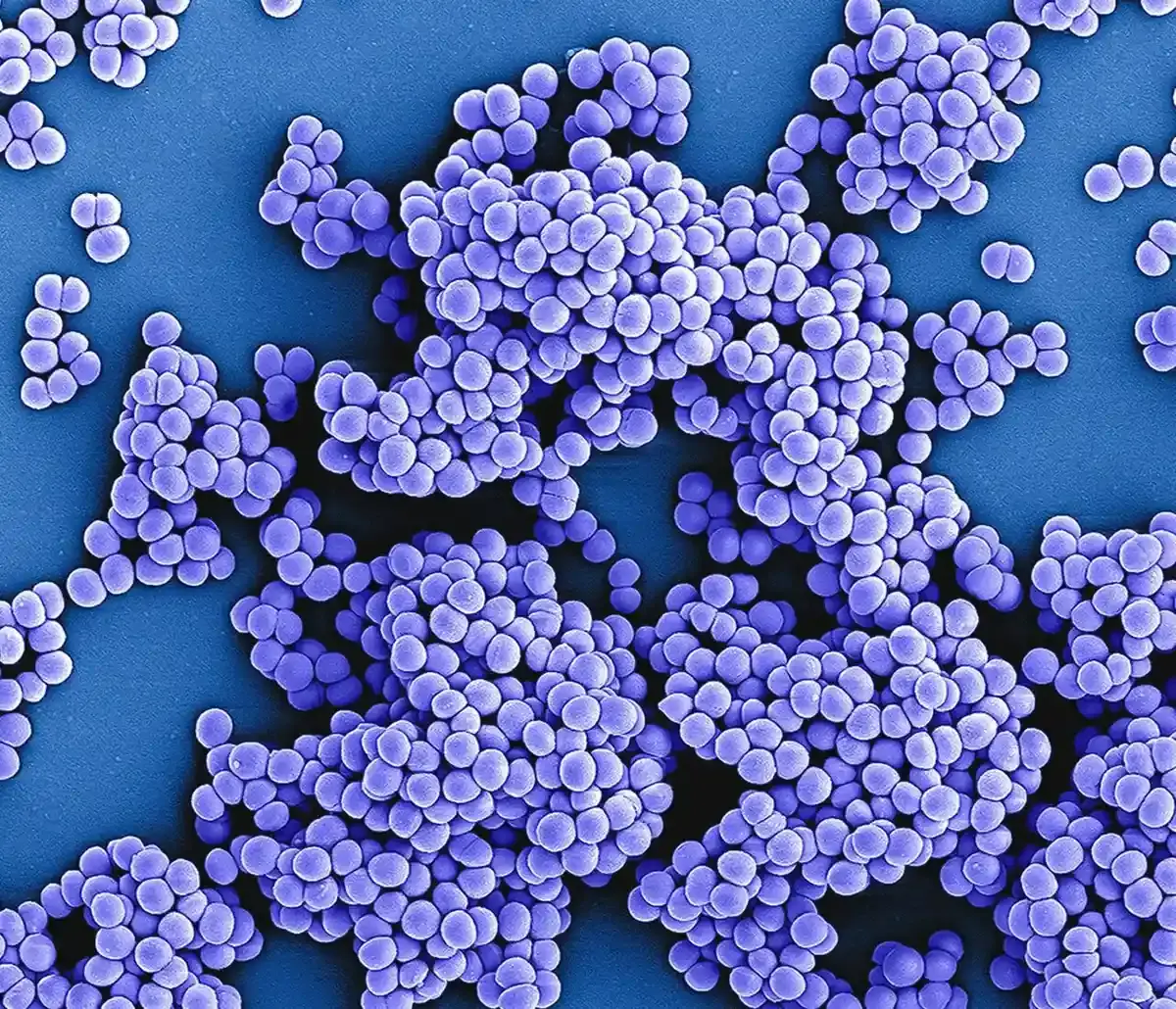
New Findings on Mitochondrial Fission Reveal Potential in Combating Bacterial Resistance
The Mechanism Behind Immune Response
A recent study from the University of Queensland highlights the role of mitochondrial fission in immune cells' ability to eliminate bacteria. This research could pave the way for alternative therapies to address antibiotic resistance, a growing global health crisis.
Health news
 Sleep May Be the Heart's Nightly Repair Window, Study Suggests
 APOE Genotype Influences How Well Blood Tau Protein Predicts Cognitive Decline
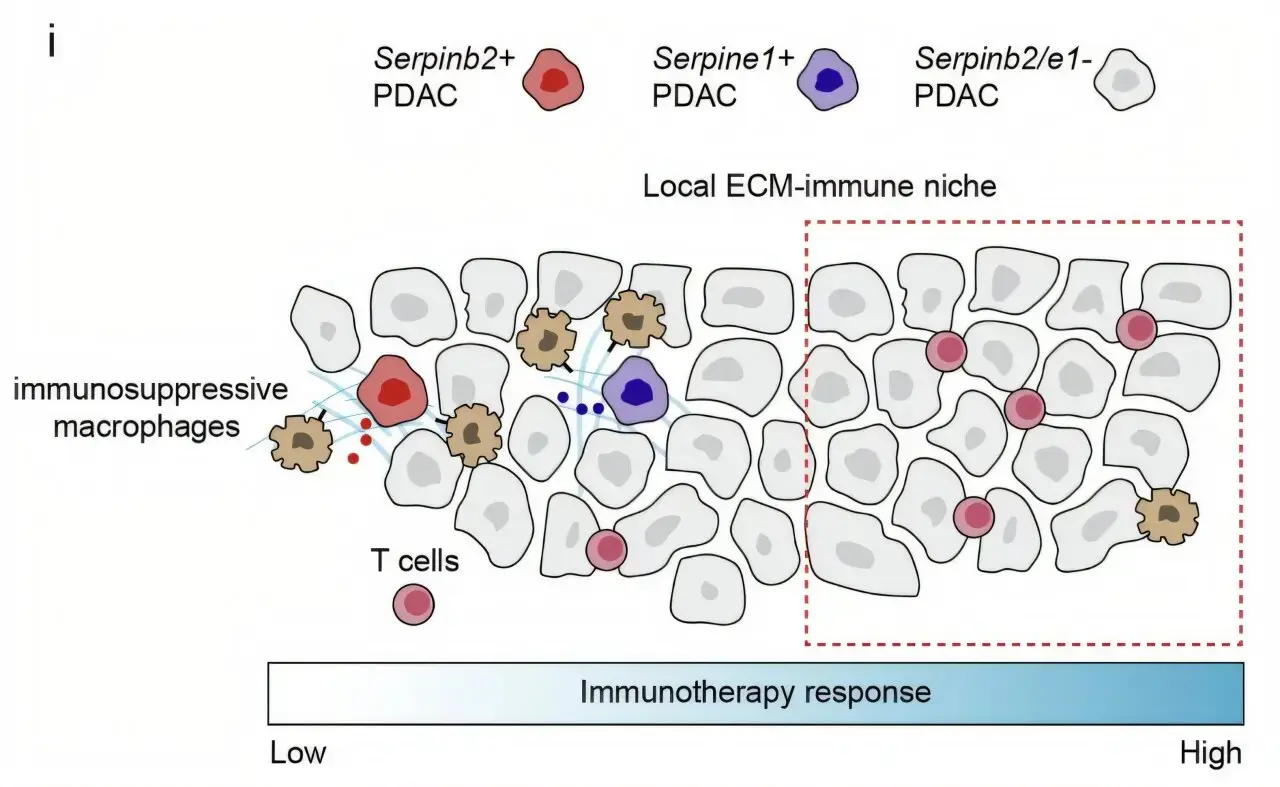 Pancreatic Cancer Hijacks Blood-Clotting System to Evade Immune Attack
 Survey Reveals Most Men Unaware Dairy May Increase Prostate Cancer Risk
Mitochondrial fission is a process where mitochondria, the cell's energy producers, divide into smaller units. This division appears crucial for immune cells, particularly macrophages, which are responsible for engulfing and destroying pathogens. By enhancing their ability to respond to infections, mitochondrial fission may offer a new strategy to bolster the immune response against antibiotic-resistant bacteria.
Researchers discovered that when immune cells undergo mitochondrial fission, they become more effective at targeting and killing bacteria. This process increases the production of reactive oxygen species (ROS), which are vital for the bacteria-killing function of immune cells. The study suggests that manipulating mitochondrial dynamics could improve immune responses, especially in cases where traditional antibiotics fail.
Can Mitochondrial Dynamics Lead to New Therapies?
Dr. Robert Egan, one of the researchers, stated that understanding how mitochondrial fission influences immune function can lead to innovative treatments. „By harnessing the power of our immune cells, we could develop therapies that enhance their natural ability to fight infections,”he explained.
The implications of this research extend beyond basic science. As antibiotic resistance becomes more prevalent, finding alternative methods to combat bacterial infections is critical. The study's findings could inspire new therapeutic approaches that focus on enhancing the body's innate immune mechanisms rather than solely relying on antibiotics.
The potential for these therapies is significant. If successful, they could reduce the reliance on antibiotics, which have contributed to the rise of resistant bacterial strains. This shift in treatment strategy may not only help in managing infections but also in preventing the spread of resistant bacteria.
Frequently Asked Questions
The outlook for these findings is promising. As researchers continue to explore the relationship between mitochondrial fission and immune cell function, there is hope for developing effective treatments that could revolutionize how we address bacterial infections. With antibiotic resistance posing a serious threat to global health, this research could be a vital step toward safeguarding public health.
What is mitochondrial fission? Mitochondrial fission is the process by which mitochondria divide into smaller units. This process is essential for various cellular functions, including energy production and immune responses.
How could this research impact antibiotic resistance? The study suggests that enhancing mitochondrial fission in immune cells may improve their ability to combat bacterial infections, potentially reducing the need for antibiotics and addressing resistance issues.
Content written by Claire Ashworth for wellness-bio-radar.com editorial team, AI-assisted.