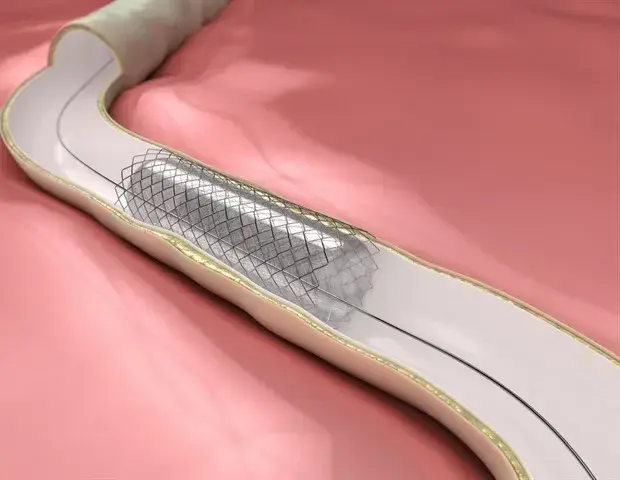
New Stent Design May Aid Gastric Leak Repair
Addressing a Critical Post-Surgery Problem
A new stent design developed at NYU Tandon School of Engineering aims to improve treatment for gastric leaks. These leaks are a rare but serious complication following sleeve gastrectomy, a common weight-loss surgery performed on roughly 250,000 Americans annually. The research offers hope for better patient outcomes.
Health news
 Sleep May Be the Heart's Nightly Repair Window, Study Suggests
 APOE Genotype Influences How Well Blood Tau Protein Predicts Cognitive Decline
 Pancreatic Cancer Hijacks Blood-Clotting System to Evade Immune Attack
 Survey Reveals Most Men Unaware Dairy May Increase Prostate Cancer Risk
Sleeve gastrectomy reduces the size of the stomach, limiting food intake. While generally safe, a small percentage of patients—between one and three percent in initial surgeries—experience leaks at the staple line where the stomach was sealed. Revision surgeries carry a higher risk, potentially affecting up to ten percent of patients. These leaks can cause significant complications, including infection and require further intervention.
Current treatments for gastric leaks often involve endoscopic procedures to place stents, small tubes, across the leak to allow it to heal. Existing stents aren’t always ideal. They can migrate, become blocked, or fail to fully cover the leak, necessitating repeated procedures or even more invasive surgery. The new design seeks to overcome these limitations. Researchers focused on creating a stent that’s both more secure and better suited to the anatomy of the stomach after weight-loss surgery.
Could This Reduce Complication Rates?
The key innovation lies in the stent’s structure and materials. The design prioritizes a stronger grip on the tissue and improved flexibility. This should reduce migration and ensure complete coverage of the leak. A more reliable seal minimizes the risk of infection and promotes faster healing. The team believes this will ultimately reduce the need for repeat interventions and improve the overall quality of life for patients.
The development addresses a significant need for improved post-operative care. Gastric leaks are not only painful and debilitating for patients, but they also add substantial costs to the healthcare system. Fewer complications translate to shorter hospital stays, reduced need for emergency procedures, and lower overall treatment expenses. While the stent is still in the development phase, initial testing has shown promising results.
Frequently Asked Questions
Further research and clinical trials are necessary to fully evaluate the effectiveness and safety of the new stent design. However, the engineering team is optimistic that this innovation will become a valuable tool for surgeons treating gastric leaks. Successful implementation could significantly improve the outcomes and reduce the risks associated with this challenging complication of weight-loss surgery.
What exactly is a gastric leak? A gastric leak occurs when fluid escapes from the stomach through the staple line created during sleeve gastrectomy. This can happen if the staples don't fully seal, leading to inflammation, infection, and requiring medical attention.
How common are revision surgeries for leaks? Revision surgeries, where a previous weight-loss surgery is corrected, carry a higher risk of leaks—affecting as many as one in ten patients. This makes finding effective leak-repair solutions even more crucial for this patient population.
Content written by Marcus Reid for wellness-bio-radar.com editorial team, AI-assisted.