
Receptor Density Shapes Brain Network
Brain Chemistry and Receptors
Researchers in a lab developed a computer model. They used it to study the brain's neural activity.
Health news
 APOE Genotype Influences How Well Blood Tau Protein Predicts Cognitive Decline
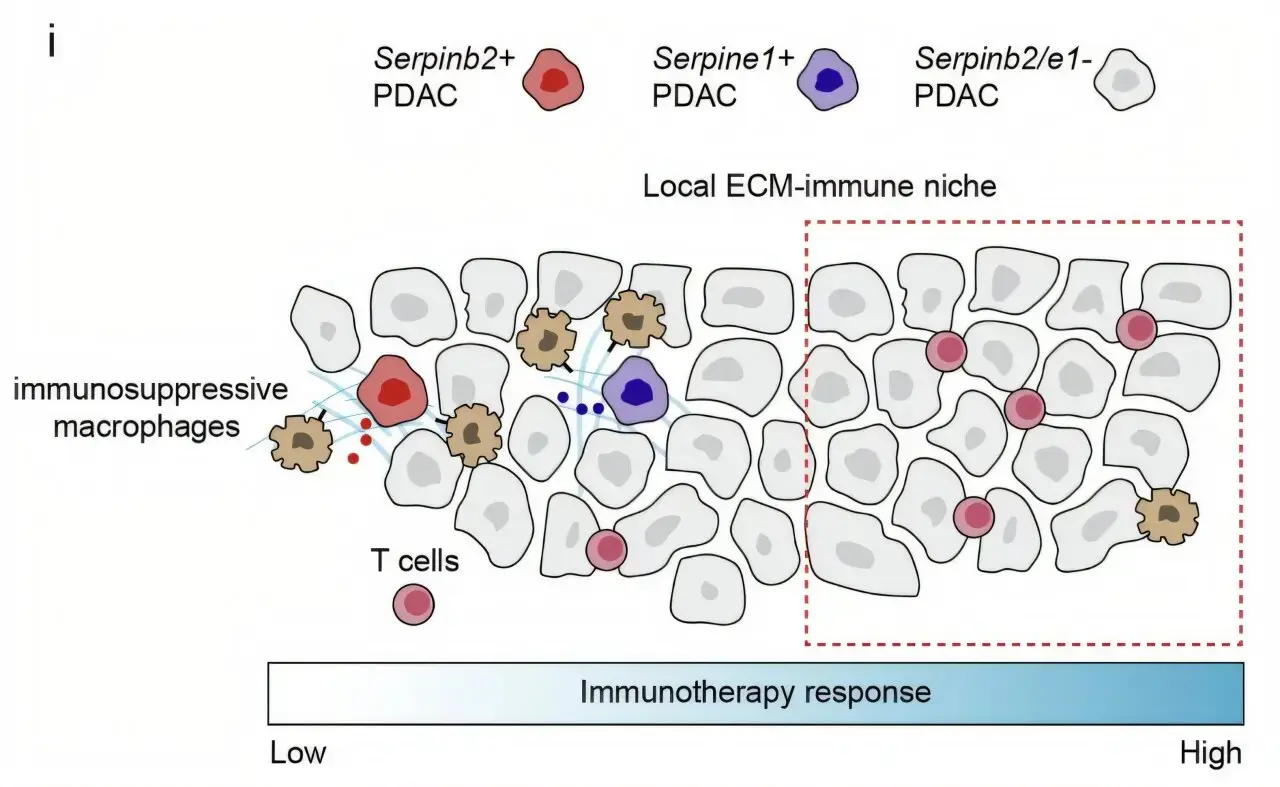 Pancreatic Cancer Hijacks Blood-Clotting System to Evade Immune Attack
 Survey Reveals Most Men Unaware Dairy May Increase Prostate Cancer Risk
 Therapeutic Gardening Shows Promise for Mental Health in Adults with Chronic Illnesses
The team created a detailed model of the brain's chemistry. They integrated maps of receptor density into a simulation platform. This platform is called The Virtual Brain.
The model shows how regional receptor density affects the brain. It bridges microscopic molecular chemistry with macroscopic neural activity. The researchers used empirical maps of muscarinic acetylcholine receptor density. These maps covered 68 cortical regions.
How Receptor Density Affects the Brain
The study reveals the importance of receptor density in brain function. It shows how changes in density can impact neural activity. The researchers used The Virtual Brain simulation platform to test their model. The results provide new insights into brain chemistry and function.
The study's findings have significant consequences for our understanding of the brain. They could lead to new treatments for brain-related diseases. The researchers' model is a major step forward in brain research.
Frequently Asked Questions
What is The Virtual Brain simulation platform? The Virtual Brain is a computer model that simulates brain activity. It is used to study the brain's neural activity and chemistry.
How does receptor density affect the brain? Receptor density affects the brain's neural activity and chemistry. Changes in density can impact brain function and lead to diseases.
What are the consequences of this study? The study's findings could lead to new treatments for brain-related diseases. They provide new insights into brain chemistry and function, advancing brain research.
Content written by Claire Ashworth for wellness-bio-radar.com editorial team, AI-assisted.