Tau Pathology Linked to Rogue Antibodies
Uncovering the Disease Mechanism
Scientists have made a groundbreaking discovery about IgLON5 encephalitis, a rare neurological disorder. Researchers tested patient-derived antibodies in cell cultures and mice, uncovering the disease's underlying mechanism.
Health news
 Whey Protein Hydrolysate Rich in Tryptophan Peptides Reduces Anxiety and Improves Sleep
 Students Lagg Behind Seniors in Physical Activity, Study Shows
 Sleep May Be the Heart's Nightly Repair Window, Study Suggests
 APOE Genotype Influences How Well Blood Tau Protein Predicts Cognitive Decline
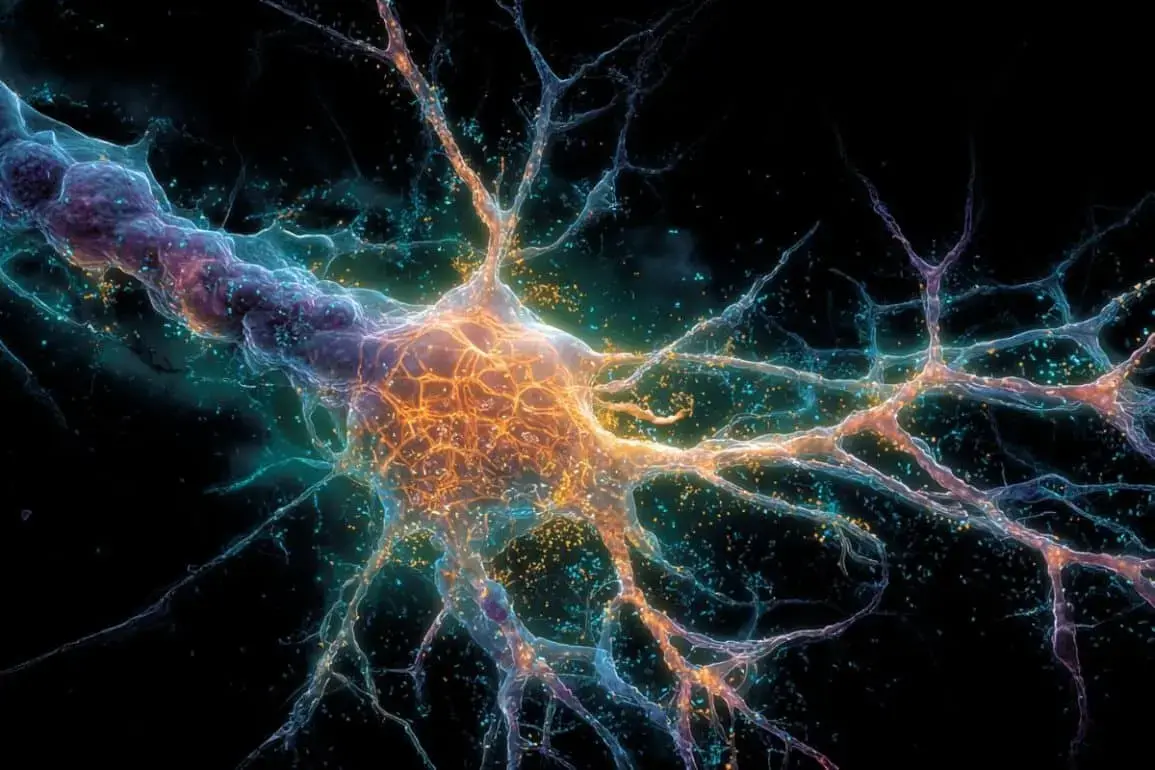
The study established a direct causal link between autoimmune attacks on the surface protein IgLON5 and the toxic aggregation of Tau proteins inside neurons. This breakthrough reveals how the immune system can trigger neurodegenerative changes.
By applying patient-derived antibodies to cell cultures and mice, researchers demonstrated that IgLON5 antibodies drive Tau pathology. The antibodies bind to IgLON5 on the surface of neurons, triggering a cascade of events that ultimately lead to Tau protein aggregation.
Can Autoimmune Attacks Trigger Neurodegeneration?
The research team observed that the antibodies caused significant changes in neuronal cells, including increased Tau protein levels and abnormal protein clumping. These findings provide crucial insights into the disease's progression.
The study's results have significant implications for understanding the link between autoimmune disorders and neurodegenerative diseases. If autoimmune attacks can trigger Tau pathology, this could lead to new avenues for treating related conditions.
The discovery may lead to novel therapeutic strategies for IgLON5 encephalitis and potentially other neurodegenerative disorders. Researchers are optimistic that their findings will pave the way for further research into the complex relationships between the immune system and neurodegeneration.
Frequently Asked Questions
What is IgLON5 encephalitis? IgLON5 encephalitis is a rare neurological disorder caused by autoimmune attacks on the IgLON5 protein. It leads to neurodegenerative changes and abnormal Tau protein aggregation.
How do IgLON5 antibodies contribute to Tau pathology?
What are the potential implications of this research? The study's findings may lead to new therapeutic strategies for IgLON5 encephalitis and other neurodegenerative disorders, offering new hope for patients with these conditions.
Content written by Dr. Nathan Cole for wellness-bio-radar.com editorial team, AI-assisted.