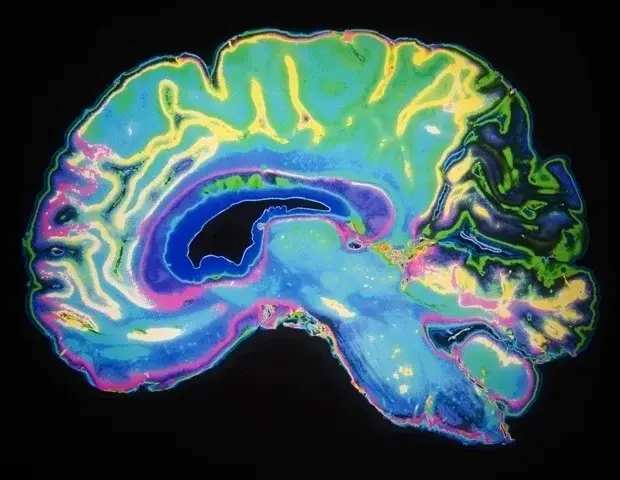
Brain Cells Linked to Aneurysm Ruptures
Uncovering the Cellular Culprits
Researchers at the University of California - San Francisco have made a groundbreaking discovery about brain aneurysms. A new study published on June 10, 2026, sheds light on how certain brain cells contribute to aneurysm weakening and rupture.
Health news
 Sleep May Be the Heart's Nightly Repair Window, Study Suggests
 APOE Genotype Influences How Well Blood Tau Protein Predicts Cognitive Decline
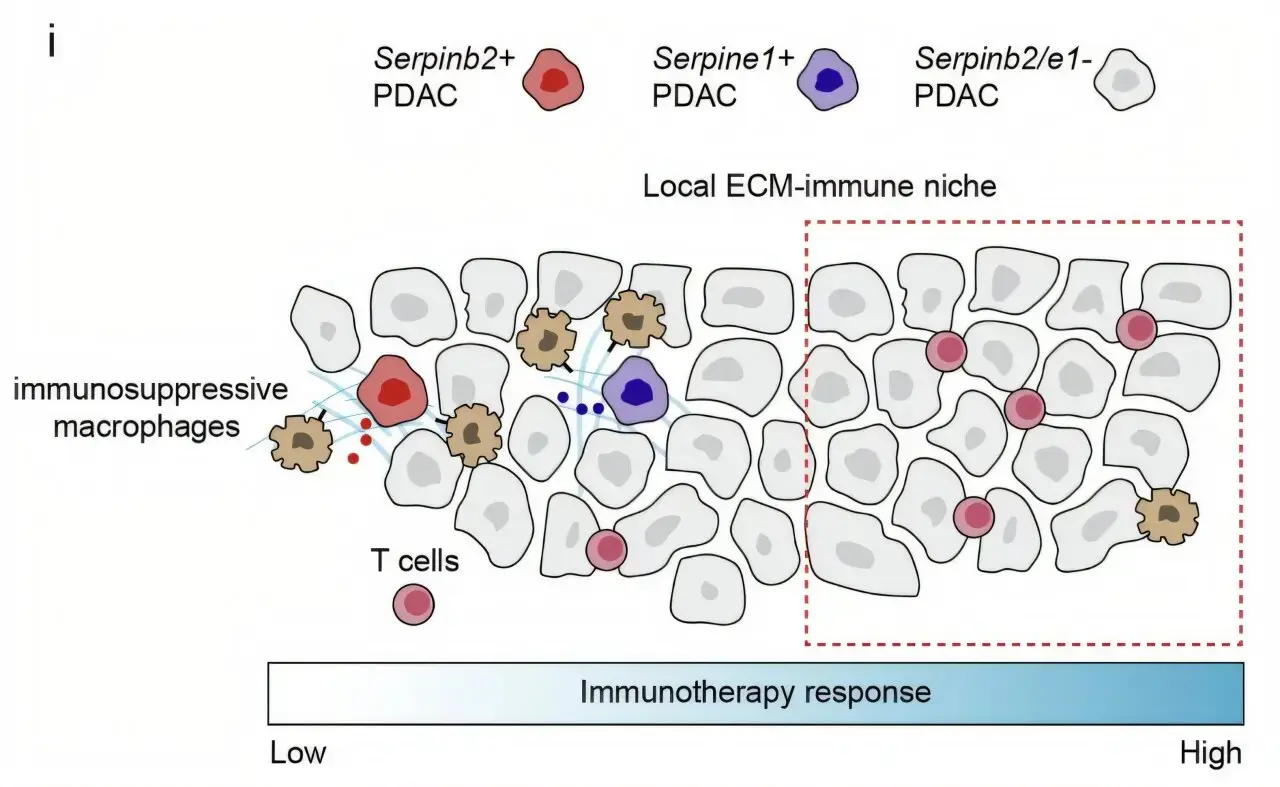 Pancreatic Cancer Hijacks Blood-Clotting System to Evade Immune Attack
 Survey Reveals Most Men Unaware Dairy May Increase Prostate Cancer Risk
Brain aneurysms are bulges in blood vessels that can lead to devastating strokes if they burst. The study helps explain why some aneurysms rupture while others remain stable.
The research team found that specific cells in the brain play a crucial role in aneurysm weakening. By understanding the mechanisms behind aneurysm rupture, scientists can develop new strategies for predicting and preventing strokes. The study's findings have significant implications for improving patient outcomes.
Can Aneurysm Rupture be Predicted?
The researchers discovered that certain brain cells can cause aneurysms to deteriorate, increasing the likelihood of rupture. This knowledge can help doctors identify high-risk patients and develop targeted treatments.
The study's results bring us closer to answering this critical question. By understanding the cellular mechanisms driving aneurysm rupture, researchers can develop more effective diagnostic tools and treatments.
The discovery is expected to lead to new approaches for predicting and preventing aneurysm ruptures, ultimately reducing the risk of stroke and improving patient outcomes.
Frequently Asked Questions
What causes brain aneurysms to rupture? Aneurysm rupture is caused by the weakening of blood vessels, which can be triggered by specific brain cells.
Can aneurysm rupture be prevented? While the study's findings are promising, more research is needed to develop effective prevention strategies.
How will this discovery impact stroke treatment? The study's results are expected to lead to improved diagnostic tools and targeted treatments, ultimately enhancing patient outcomes.
Content written by Dr. Elena Voss for wellness-bio-radar.com editorial team, AI-assisted.