Manganese Removal Linked to Brain Barrier Protein
The Role of SLC11A2
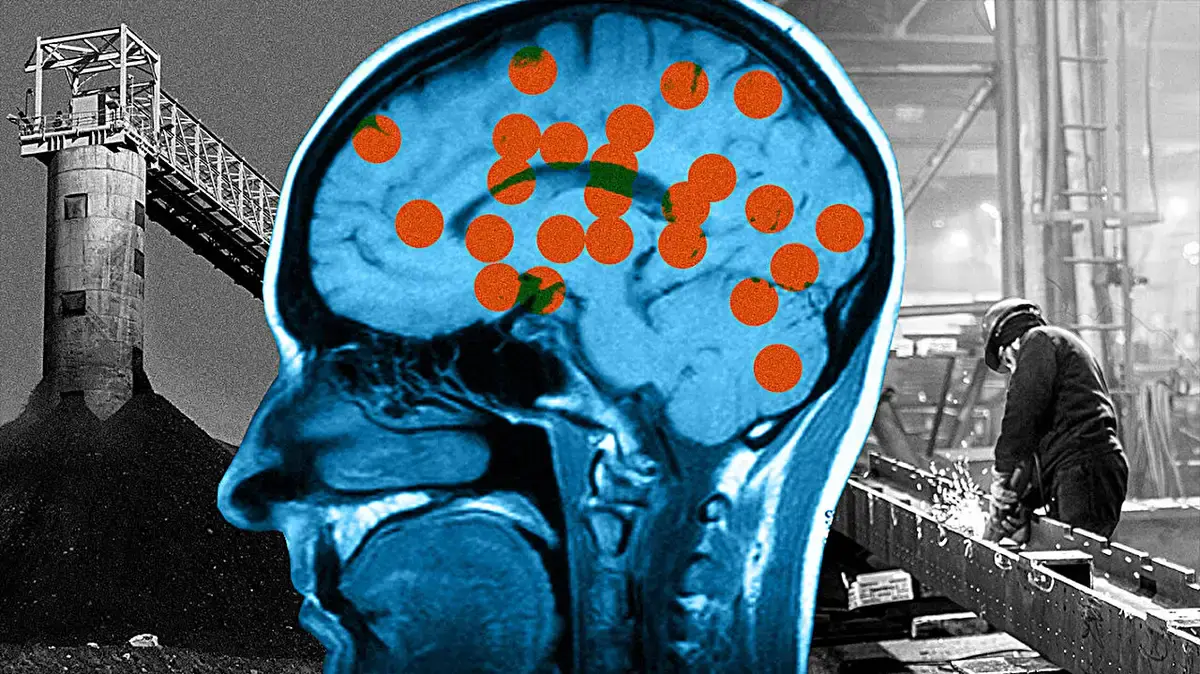
A new Cornell University study reveals how the brain eliminates excess manganese. Researchers found a specific protein helps move the metal from the brain into the bloodstream. This process was observed in mice, offering insights into potential human health implications. The findings were published recently.
Health news
 Sleep May Be the Heart's Nightly Repair Window, Study Suggests
 APOE Genotype Influences How Well Blood Tau Protein Predicts Cognitive Decline
 Pancreatic Cancer Hijacks Blood-Clotting System to Evade Immune Attack
 Survey Reveals Most Men Unaware Dairy May Increase Prostate Cancer Risk
Manganese is generally considered a safe element. It’s essential for various bodily functions. However, high levels can be toxic, potentially damaging the brain. The brain normally filters out excess manganese, but the exact mechanisms weren’t fully understood. This research identifies a key protein involved in this crucial process.
The protein, called SLC11A2, acts as a transporter. It actively moves manganese across the blood-brain barrier. This barrier normally protects the brain from harmful substances. Surprisingly, SLC11A2 facilitates manganese out of the brain and into the circulating blood. Researchers used genetically modified mice lacking the SLC11A2 protein. These mice accumulated significantly more manganese in their brains.
Could This Explain Manganese-Related Illnesses?
„We were quite surprised to see that this protein was responsible for exporting manganese,” said Dr. Laila Milevski, lead author of the study. „We expected it to perhaps limit uptake, but it’s actively involved in clearing it.” The team used advanced imaging techniques to track manganese movement. They confirmed SLC11A2’s role in transporting the metal across the barrier. The study also showed that increasing SLC11A2 activity could potentially enhance manganese removal.
Exposure to manganese often occurs through contaminated water or occupational hazards. Prolonged exposure can lead to neurological problems. These include symptoms similar to Parkinson’s disease. Researchers believe that variations in the SLC11A2 gene might influence an individual’s susceptibility to manganese toxicity. People with less effective versions of the protein could struggle to clear manganese from their brains.
Frequently Asked Questions
The study’s findings suggest a potential therapeutic target. Boosting SLC11A2 activity could offer a way to treat manganese overload. Further research is needed to confirm these findings in humans. Understanding this process is crucial for developing strategies to protect brain health. It could also help diagnose and manage manganese-related neurological disorders.
What are the symptoms of manganese toxicity? Symptoms can include muscle weakness, tremors, difficulty speaking, and cognitive problems. These often resemble Parkinson’s disease, making diagnosis challenging. Early detection and reducing exposure are vital.
Is manganese found in everyday foods? Yes, manganese is present in many foods, including nuts, seeds, whole grains, and leafy green vegetables. Typically, dietary intake doesn’t pose a significant risk. Problems arise from prolonged exposure to high concentrations, like through water or workplace environments.
Content written by Dr. Elena Voss for wellness-bio-radar.com editorial team, AI-assisted.