Hidden Brain Cells Linked to Cancer Return
The Role of Dormant Cells
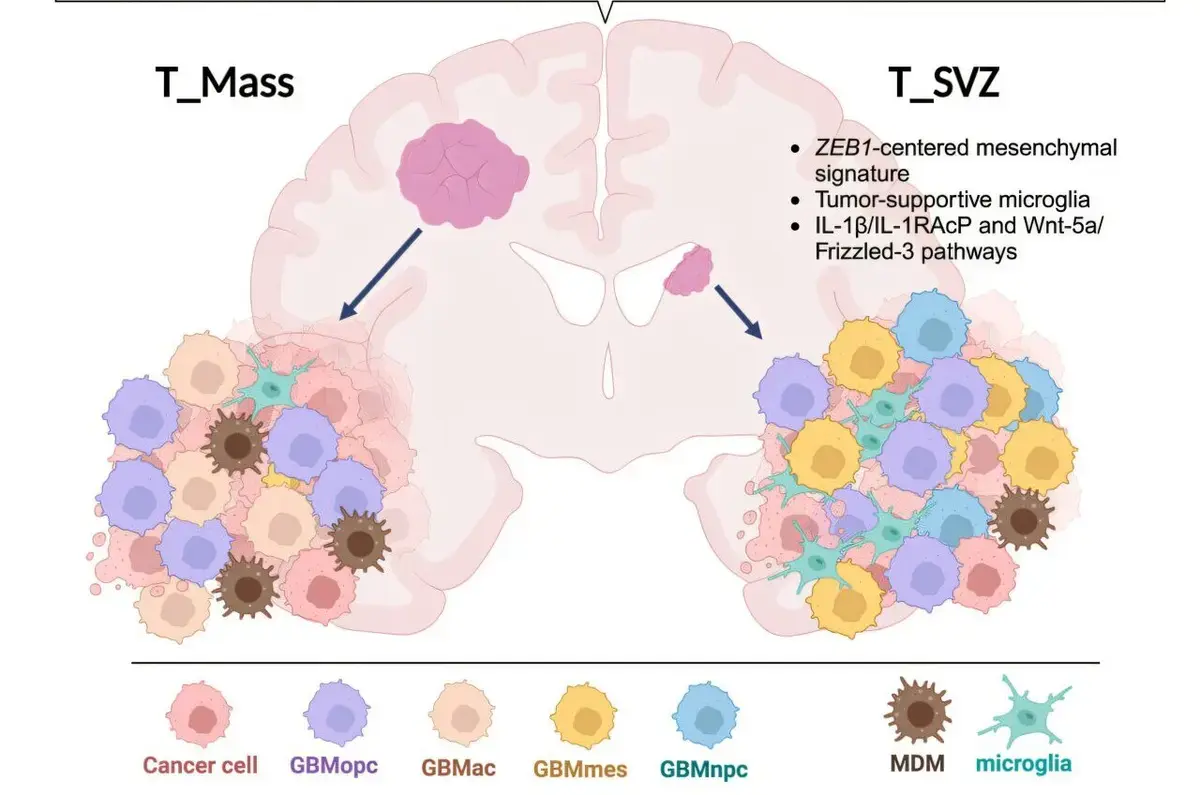
Researchers have identified a potential cause for cancer relapse. A hidden reservoir of cells may drive recurrence in up to 65% of brain cancer patients. This discovery impacts all brain cancer types, but is especially relevant for glioblastoma. The study offers new insights into treatment resistance.
Health news
 Sleep May Be the Heart's Nightly Repair Window, Study Suggests
 APOE Genotype Influences How Well Blood Tau Protein Predicts Cognitive Decline
 Pancreatic Cancer Hijacks Blood-Clotting System to Evade Immune Attack
 Survey Reveals Most Men Unaware Dairy May Increase Prostate Cancer Risk
Brain cancer survival rates remain low. The National Cancer Institute reports a five-year survival rate of only 33% across all brain cancers. Glioblastoma, an aggressive form, has a particularly grim outlook with a 7% five-year survival rate. Current treatments often fail due to the cancer’s ability to return.
Scientists now believe these relapses aren’t simply new mutations. Instead, they suspect a population of slow-cycling, dormant cancer cells survives initial treatment. These cells are difficult to detect with standard methods. They remain hidden, acting as a reservoir for future growth. This reservoir appears to be present in a significant majority of patients.
Can We Prevent Relapse With This Knowledge?
The research suggests these cells aren’t actively dividing when treatment ends. This slower cycle makes them resistant to chemotherapy and radiation. Once treatment stops, they can re-enter the cell cycle and drive tumor regrowth. Identifying and targeting these cells is now a key focus. Researchers are exploring ways to force them into a state where they are vulnerable to treatment.
The discovery raises the question of how to eliminate this hidden reservoir. Current therapies are designed to kill rapidly dividing cells. They aren’t effective against these slow-cycling, dormant cells. New strategies may involve prolonged treatment or the development of drugs specifically targeting this unique cell state.
Understanding the mechanisms that keep these cells dormant is also crucial. Researchers are investigating the signaling pathways involved. This could reveal vulnerabilities that can be exploited with targeted therapies. The ultimate goal is to prevent relapse and improve long-term survival rates for brain cancer patients.
Frequently Asked Questions
The implications of this research are substantial. If confirmed, it could dramatically change how brain cancer is treated. It highlights the need for more personalized approaches. Future therapies may focus on eradicating these dormant cells alongside actively growing tumors. This could significantly improve outcomes for patients facing this devastating disease.
What makes these cells different from typical cancer cells? These cells divide much more slowly. This slower rate makes them less susceptible to traditional cancer treatments like chemotherapy and radiation. They essentially hidefrom the drugs designed to kill rapidly dividing cells.
Is this reservoir present in all brain cancer patients? The research indicates this reservoir is present in approximately 65% of patients. However, the proportion may vary depending on the specific type of brain cancer and individual patient characteristics. Further research is needed to refine these estimates.
Content written by Dr. Nathan Cole for wellness-bio-radar.com editorial team, AI-assisted.