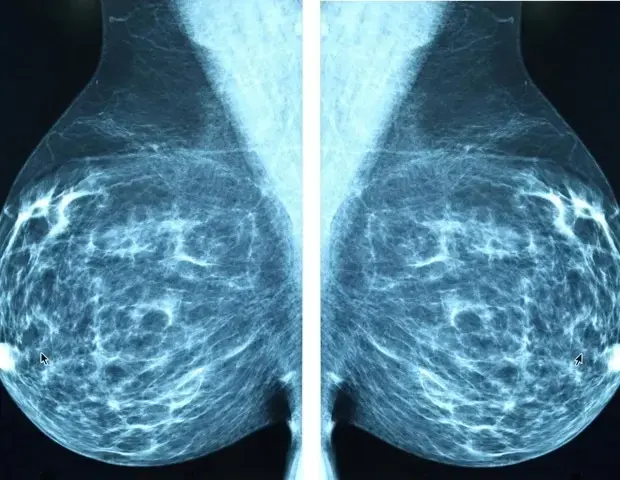
Breast Cancer Cells’ Bone Marrow Hideout Revealed
The Bone Marrow Sanctuary
Researchers in Italy have discovered how breast cancer cells evade treatment by hiding within bone marrow. The University of L’Aquila study sheds light on why the disease can return years, even decades, after initial successful treatment. This research focuses on the mechanisms enabling cancer’s long-term survival.
Health news
 Sleep May Be the Heart's Nightly Repair Window, Study Suggests
 APOE Genotype Influences How Well Blood Tau Protein Predicts Cognitive Decline
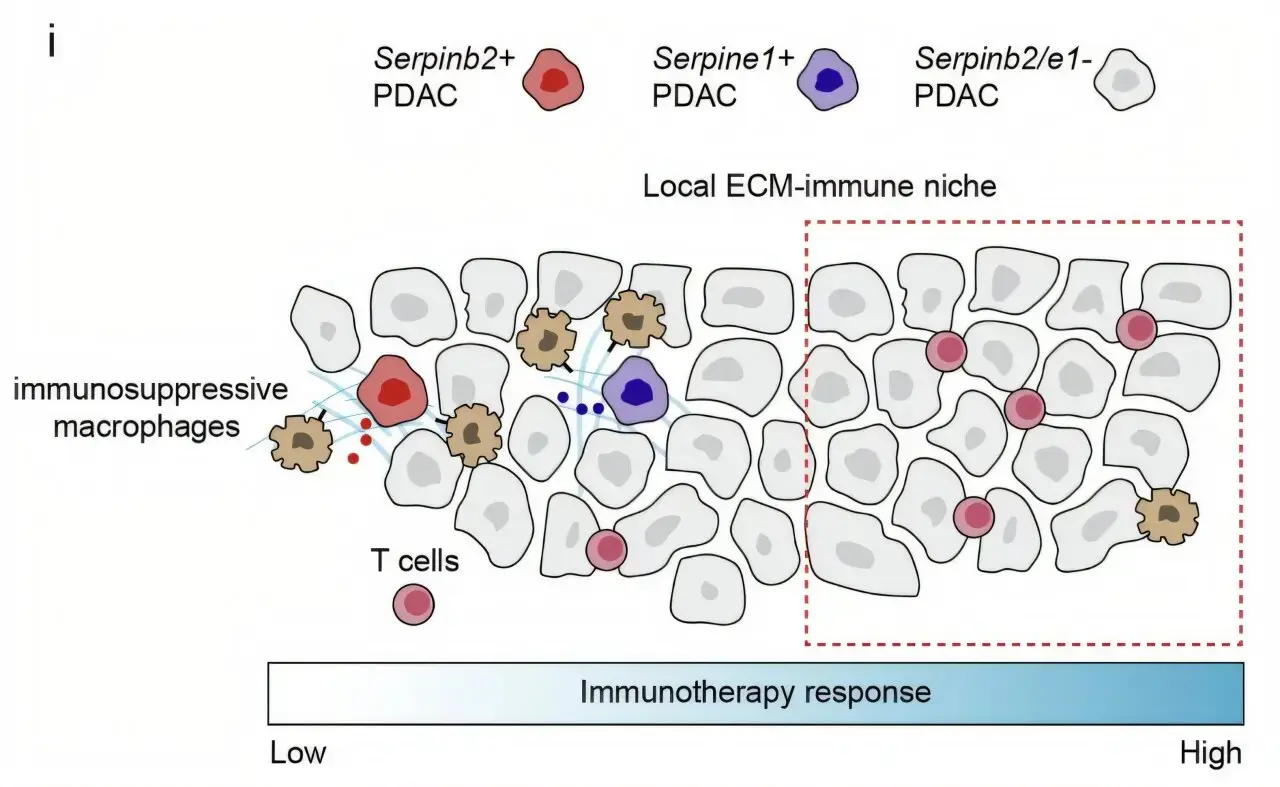 Pancreatic Cancer Hijacks Blood-Clotting System to Evade Immune Attack
 Survey Reveals Most Men Unaware Dairy May Increase Prostate Cancer Risk
Breast cancer remains a significant global health concern. Relapse is a major obstacle, often occurring when a small number of cells survive initial therapies. These surviving cells can remain dormant for extended periods, making them difficult to detect and treat. The new study investigates how these cells establish a refuge in bone marrow.
The research highlights a specific process. Cancer cells transfer certain materials into bone marrow cells. This essentially camouflages them, shielding them from the body’s immune system and chemotherapy drugs. This transfer creates a protective microenvironment. It allows the cancer cells to remain undetected and potentially reactivate later.
Can We Disrupt This Camouflage?
Scientists found that these transferred materials alter the behavior of bone marrow cells. They become supportive of the dormant cancer cells. This support ensures the cancer cells’ survival and eventual potential for regrowth. The team believes understanding this interaction is crucial for developing new therapies.
The study’s findings suggest a potential new therapeutic target. Disrupting the communication between cancer cells and bone marrow cells could prevent the establishment of this protective environment. This could significantly reduce the risk of relapse. Researchers are now exploring ways to block this transfer process. They hope to „unmask” the hidden cancer cells.
The team used advanced imaging techniques to observe this interaction in detail. They were able to track the movement of materials between the cells. This provided crucial evidence supporting their hypothesis. Further research will focus on identifying the specific molecules involved in this process. This will allow for the development of targeted therapies.
The implications of this research are significant. If scientists can successfully disrupt this bone marrow sanctuary, it could dramatically improve outcomes for breast cancer patients. It could reduce the number of relapses and improve long-term survival rates. The next step is to translate these findings into clinical trials.
Frequently Asked Questions
What makes this research different from previous studies? This study specifically focuses on the interaction between breast cancer cells and bone marrow cells. It identifies a mechanism by which cancer cells actively hide within the bone marrow, utilizing the marrow cells for protection. Previous research often focused on the characteristics of the cancer cells themselves, rather than this cellular interaction.
How long can these hidden cancer cells remain dormant? The research suggests these cells can remain dormant for years, even decades. This extended dormancy is a major reason why breast cancer can relapse so long after initial treatment. The bone marrow provides a stable environment for their long-term survival.
Could this discovery apply to other types of cancer? While this study focused on breast cancer, the principle of cancer cells hiding in bone marrow and utilizing the surrounding cells for protection could potentially apply to other cancers as well. Further research is needed to determine if similar mechanisms are at play in other types of tumors.
Content written by Marcus Reid for wellness-bio-radar.com editorial team, AI-assisted.