
Two Common IV Fluids Prove Equal for Treating Septic Shock in Children
What's Behind the Similar Outcomes?
In a significant breakthrough for pediatric emergency care, a recent clinical trial has found that two commonly used intravenous fluids perform equally well in treating septic shock in children. The trial, conducted across five countries in 47 pediatric emergency departments, involved over 1,000 patients under the age of 18.
Health news
 Sleep May Be the Heart's Nightly Repair Window, Study Suggests
 APOE Genotype Influences How Well Blood Tau Protein Predicts Cognitive Decline
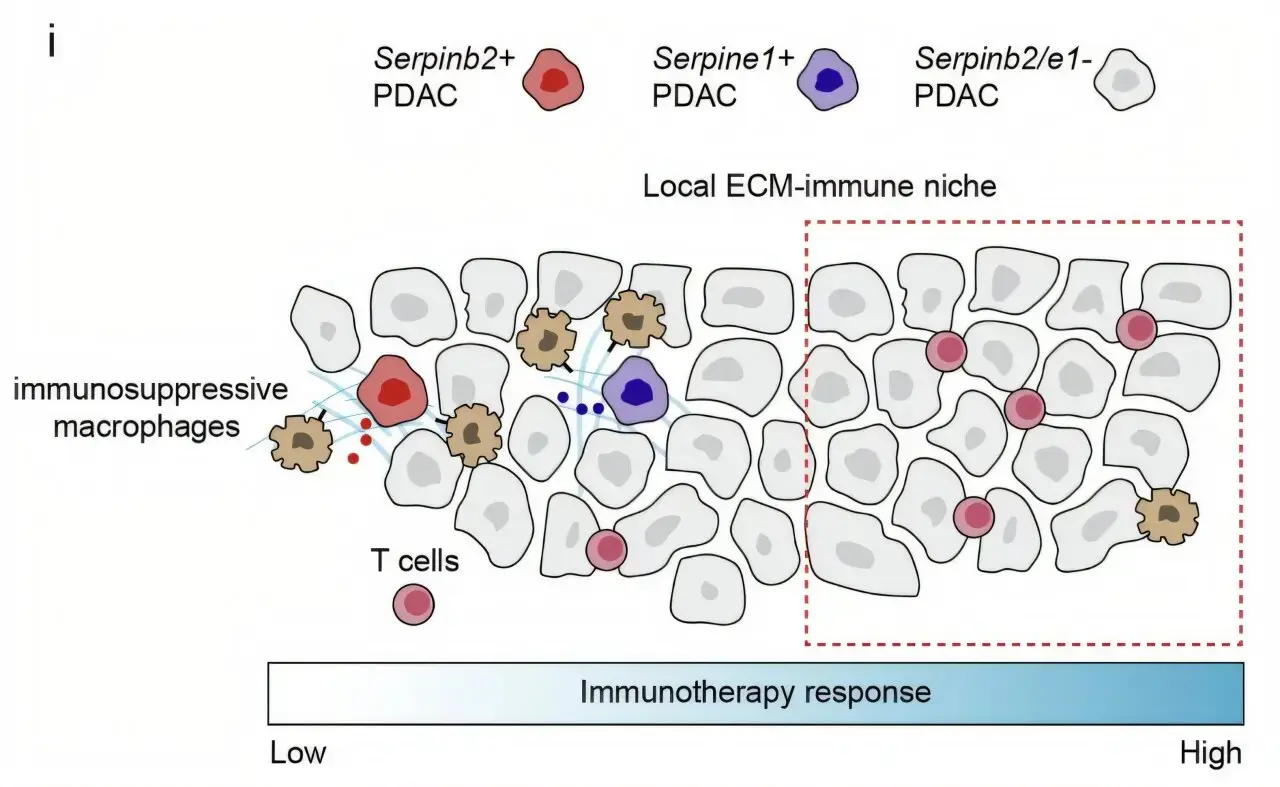 Pancreatic Cancer Hijacks Blood-Clotting System to Evade Immune Attack
 Survey Reveals Most Men Unaware Dairy May Increase Prostate Cancer Risk
The trial aimed to determine whether the use of normal saline or lactated Ringer's solution, two widely used IV fluids, would be more effective in treating septic shock in children. Septic shock is a life-threatening condition that occurs when the body's response to an infection becomes uncontrolled, leading to a drop in blood pressure and inadequate blood flow to vital organs.
Researchers found that both fluids resulted in similar rates of recovery and mortality rates among patients. According to the study, 24.4% of patients who received normal saline and 25.4% of those who received lactated Ringer's solution died within 28 days of treatment. The findings suggest that the choice of IV fluid may not be as critical as previously thought in treating septic shock in children.
The trial's lead author noted that the results are a significant relief for pediatric emergency departments, which often rely on these two fluids to treat septic shock. „This study provides reassurance that we can continue to use these fluids with confidence,”the author said. „It also highlights the need for further research into the optimal treatment strategies for septic shock in children.” What Does This Mean for Pediatric Care?
Frequently Asked Questions
The study's findings have significant implications for pediatric emergency care. The results suggest that hospitals can continue to use either normal saline or lactated Ringer's solution without worrying about the potential risks associated with one fluid over the other. However, the study also highlights the need for further research into the optimal treatment strategies for septic shock in children.
The trial's findings are a welcome relief for pediatric emergency departments, which often face challenging decisions when treating septic shock. By providing clarity on the effectiveness of these two fluids, the study can help guide treatment decisions and improve patient outcomes.
Q: What are the implications of the study's findings for pediatric emergency care?
Q: What does the study say about the optimal treatment strategies for septic shock in children? A: The study highlights the need for further research into the optimal treatment strategies for septic shock in children.
Q: What are the next steps for researchers following the study's findings? A: Researchers plan to conduct further studies to identify the most effective treatment strategies for septic shock in children.
Content written by Dr. Elena Voss for wellness-bio-radar.com editorial team, AI-assisted.