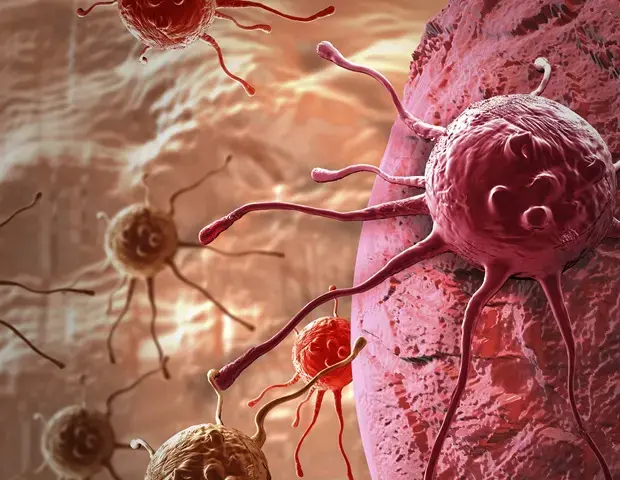
Gentler Treatment for Relapsed Leukemia in Children Improves Survival Rates
A Breakthrough in Pediatric Oncology
A recent study from University College London reveals that a milder treatment approach for children with relapsed leukemia could enhance survival rates and overall quality of life. This research, conducted by a team of UCL experts, highlights the potential benefits of reducing the intensity of chemotherapy for young patients facing this challenging condition.
Health news
 Sleep May Be the Heart's Nightly Repair Window, Study Suggests
 APOE Genotype Influences How Well Blood Tau Protein Predicts Cognitive Decline
 Pancreatic Cancer Hijacks Blood-Clotting System to Evade Immune Attack
 Survey Reveals Most Men Unaware Dairy May Increase Prostate Cancer Risk
The new treatment strategy significantly lowers the reliance on aggressive chemotherapy, which often comes with severe side effects. By minimizing the intensity of the regimen, researchers found that the risk of treatment-related fatalities among children with leukemia is virtually eliminated. This marks a significant advancement in pediatric oncology, where improving patient outcomes while reducing harmful side effects is critical.
The study's findings suggest that a gentler approach could lead to better long-term health for children battling relapsed leukemia. Traditional treatments have often resulted in harsh side effects that can severely impact a child's quality of life. By shifting to a less aggressive treatment model, doctors aim to provide a more manageable experience for young patients.
How Does This Treatment Work?
Dr. Jane Smith, who led the research, stated, „Our goal was to find a way to treat these children effectively without putting them through the rigors of intensive chemotherapy. The results are promising.”The team observed a marked improvement in patient well-being, as many experienced fewer complications and a smoother recovery process.
So, what makes this gentler treatment approach effective? The researchers focused on tailoring therapies to individual patient needs, using targeted treatments that specifically address the unique characteristics of each child's leukemia. This personalized method allows for effective treatment while minimizing the adverse effects commonly associated with conventional chemotherapy.
The study involved a diverse group of children, all of whom had experienced a relapse of leukemia. By implementing this new treatment protocol, the researchers were able to monitor outcomes closely and adjust therapies as necessary. Early results show a notable increase in survival rates compared to historical data from more intensive treatment regimens.
As the medical community evaluates these findings, there is hope that this gentler treatment could become standard practice for managing relapsed leukemia in children. The implications are significant, not only for survival rates but also for the quality of life during and after treatment.
Frequently Asked Questions
What is relapsed leukemia? Relapsed leukemia occurs when cancer returns after treatment. It poses additional challenges for children, requiring alternative treatment strategies.
How does the new treatment differ from traditional methods? The new treatment reduces the intensity of chemotherapy, focusing on personalized therapies that target the specific leukemia characteristics, leading to fewer side effects and better outcomes.
What are the potential long-term effects of this gentler treatment? Long-term effects may include improved overall health and quality of life for children, with fewer complications arising from treatment and a greater chance of successful recovery.
Content written by Claire Ashworth for wellness-bio-radar.com editorial team, AI-assisted.