
Alzheimer's Drug Trials Mask Patient Variability
Hiding Individual Differences
Researchers at Brown University's School of Public Health have raised concerns about a statistical method used in Alzheimer's drug trials. The study, published in JAMA Neurology on May 19, 2026, examined quantile aggregation, a technique used to support new Alzheimer's treatments.
Health news
 Sleep May Be the Heart's Nightly Repair Window, Study Suggests
 APOE Genotype Influences How Well Blood Tau Protein Predicts Cognitive Decline
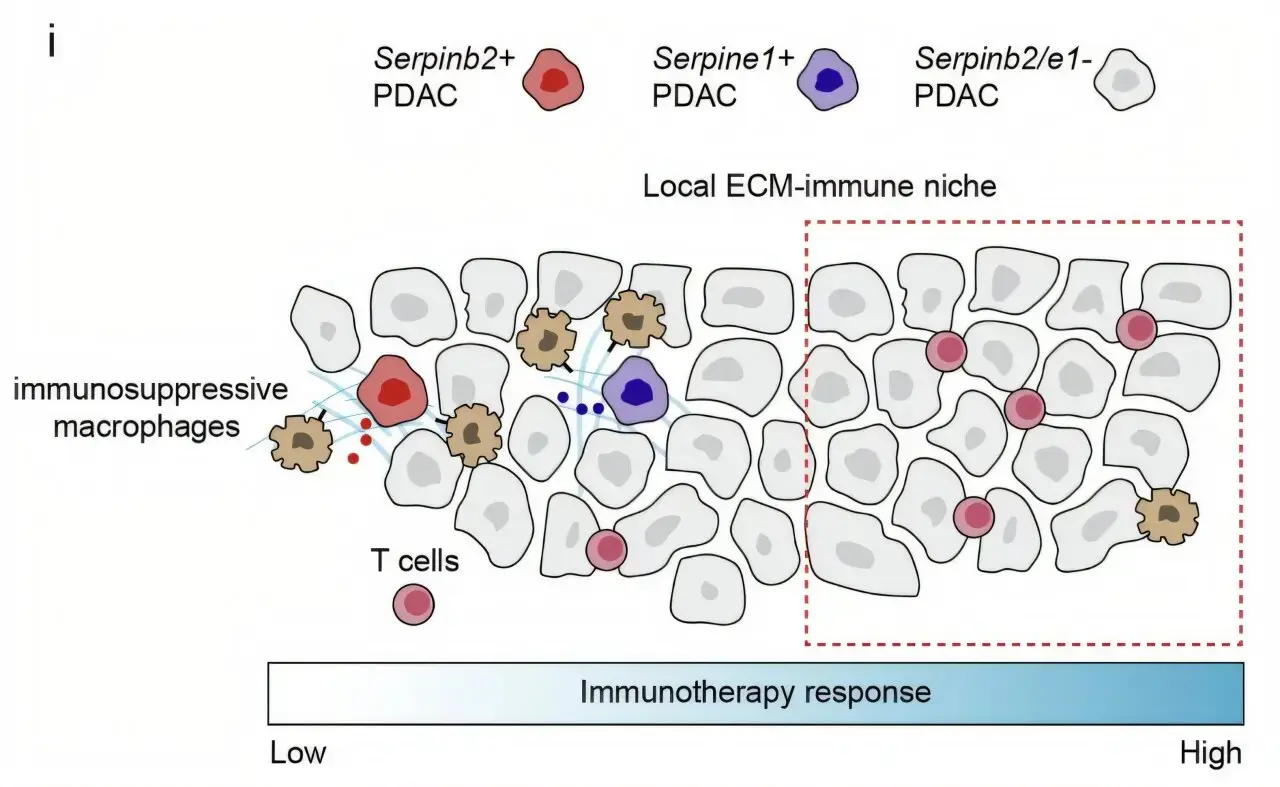 Pancreatic Cancer Hijacks Blood-Clotting System to Evade Immune Attack
 Survey Reveals Most Men Unaware Dairy May Increase Prostate Cancer Risk
The statistical approach may lead to exaggerated claims about the effectiveness of these drugs. Quantile aggregation involves analyzing data from multiple trials to identify trends. However, this method can mask individual patient differences, making it seem like the treatment is more effective than it actually is.
Are Alzheimer's Trials Overstating Success?
The researchers found that quantile aggregation can obscure the variability in patient responses to Alzheimer's treatments. This can result in overly optimistic assessments of a drug's efficacy. By aggregating data, researchers may be overlooking important differences in how individual patients respond to treatment.
The study's findings suggest that the use of quantile aggregation may be contributing to overly positive reports about Alzheimer's treatments. This raises questions about the accuracy of the results being reported. If the true effectiveness of these treatments is being overstated, it could have significant implications for patients and the pharmaceutical industry.
Frequently Asked Questions
The consequences of overstating the effectiveness of Alzheimer's treatments could be severe. Patients may be prescribed treatments that are not as effective as claimed, and pharmaceutical companies may be investing in ineffective treatments. As a result, it is essential to re-examine the statistical methods used in Alzheimer's drug trials.
What is quantile aggregation? Quantile aggregation is a statistical method used to analyze data from multiple trials to identify trends. It involves combining data from different studies to identify patterns. Why is quantile aggregation a concern in Alzheimer's research? This can lead to overly optimistic assessments of a drug's efficacy. How might this impact Alzheimer's treatment development? The use of quantile aggregation may lead to ineffective treatments being developed, wasting resources and potentially harming patients.
Content written by Marcus Reid for wellness-bio-radar.com editorial team, AI-assisted.